BYD''s Potential F1 Entry: A Strategic Masterstroke or a Costly Branding Gamble?
Chinese automotive giant BYD is reportedly exploring an entry into Formula 1, marking its first major foray into elite motorsport. This move is strategically positioned to boost its global brand recognition, moving beyond its established identity as a volume EV manufacturer. This analysis delves beyond the headline to examine the underlying economic logic: using F1 as a high-stakes platform to reshape Western consumer perception, validate its engineering prowess, and challenge the traditional automotive hierarchy. We explore the immense costs, technological transfer potential, and the geopolitical symbolism of a Chinese brand competing at the pinnacle of a European-dominated sport. The decision will reveal much about BYD''s long-term ambitions to be seen not just as a maker of affordable cars, but as a true technological leader.
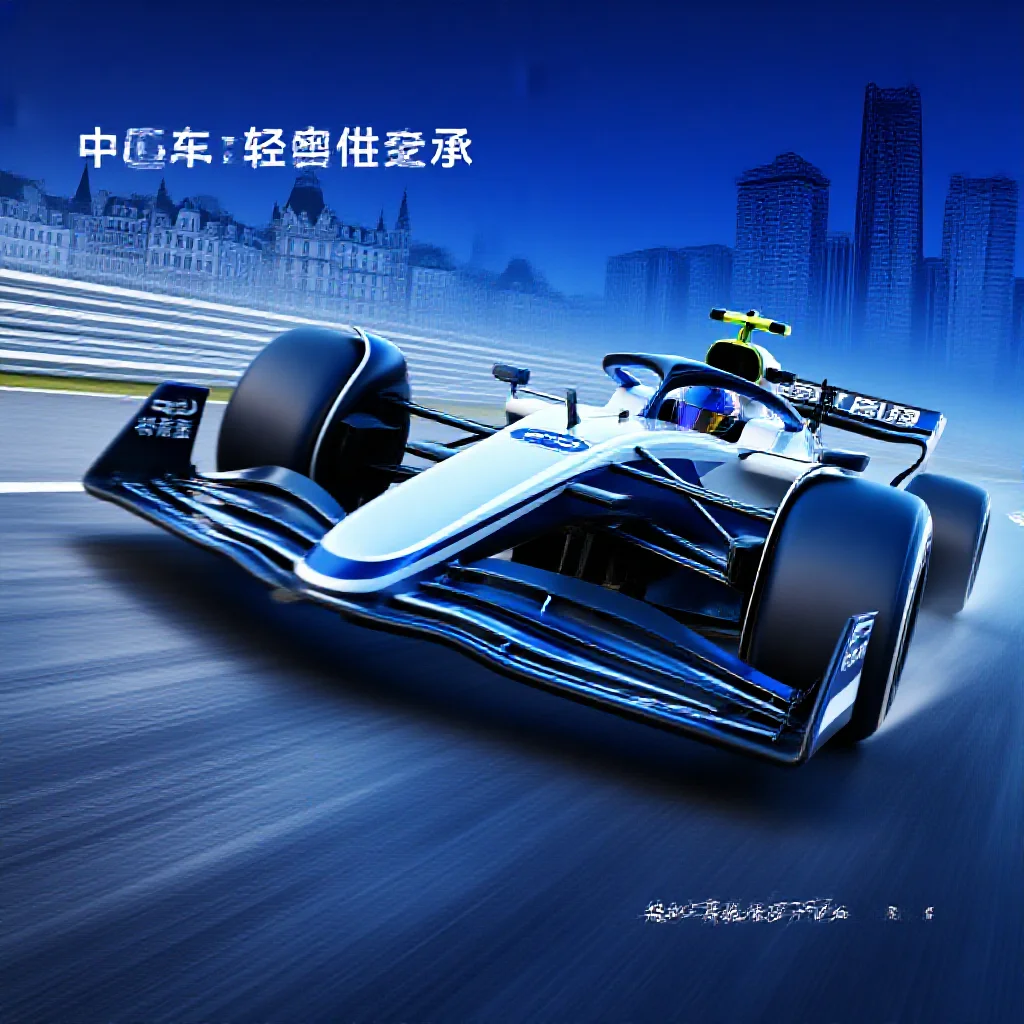
BYD's Potential F1 Entry: A Strategic Masterstroke or a Costly Branding Gamble?
**Opening Summary** Chinese automotive manufacturer BYD is conducting an exploration into a potential entry into Formula 1 racing. This initiative represents the company's first significant foray into elite motorsport. The stated objective of this exploration is to enhance BYD's global brand recognition (Source 1: [Primary Data]). This analysis examines the strategic rationale, economic implications, and operational challenges underlying this reported consideration.
Beyond the Headline: Decoding BYD's F1 Calculus The core strategic objective for BYD is a transition in global perception. The company seeks to evolve from its established identity as a high-volume manufacturer of affordable electric vehicles into a recognized leader in premium automotive technology. Formula 1 represents a direct channel to a performance-focused, globally engaged audience that traditional EV marketing avenues may not effectively reach. The economic logic hinges on justifying a significant capital investment through the accrual of intangible brand equity and engineering credibility. The sport functions as a high-stakes validation platform, where competition is interpreted as a proxy for technological excellence.
![A split-image graphic: one side showing BYD's popular Seal/Dolphin models, the other side showing a Mercedes-AMG F1 car, highlighting the brand perception gap.]
The 'Slow Analysis': Deep Audit of an F1 Foray The financial barrier to entry is substantial. Establishing and maintaining a competitive Formula 1 operation requires an annual budget reliably estimated to exceed $200 million. This expenditure must be evaluated against BYD's existing allocations for global marketing and research and development. The prospect of technology transfer requires scrutiny. While Formula 1's hybrid power units incorporate Motor Generator Unit-Kinetic (MGU-K) systems and complex energy recovery, the sport's core thermal engine technology remains distinct from pure battery-electric road car development. A successful entry would necessitate building or acquiring a racing operation based in the European motorsport hub, precipitating a competition for specialized engineering and strategic talent against established teams.
![An infographic comparing the estimated annual cost of a mid-field F1 team to BYD's annual marketing budget or the development cost of a new EV platform.]
The Unspoken Entry Point: Geopolitics of the Paddock A BYD entry would carry symbolic weight within the context of the sport's historical commercial and competitive structure. Formula 1 has been a European and Japanese-dominated arena for automotive manufacturers. The arrival of a major Chinese original equipment manufacturer (OEM) would represent a shift in this dynamic. Unlike a corporate sponsorship, a full works team entry would be perceived as a representation of Chinese industrial capability on a prominent global stage. This move would require navigation of the sport's commercial agreements, such as the Concorde Agreement, and potential skepticism from within the established paddock ecosystem and segments of the traditional fanbase.
![A collage of current F1 team principals and logos (Mercedes, Ferrari, Red Bull) with a question mark over where a BYD team principal would fit in.]