Porsche Cayenne S EV: A $125,000+ Bet on the High-End Electric SUV Market''s Future
Porsche's launch of the Cayenne S EV, with 657 horsepower and a starting price above $125,000, is more than a new model release. It represents a strategic pivot to defend its high-margin territory in the luxury SUV segment against the encroachment of electric-only brands like Tesla and Rivian. This analysis explores the vehicle's role in Porsche's electrification roadmap, the economic logic behind its premium pricing, and the potential ripple effects on the luxury automotive supply chain and consumer expectations. The Cayenne S EV is a litmus test for whether traditional luxury brand equity can command a significant premium in the pure-electric era.
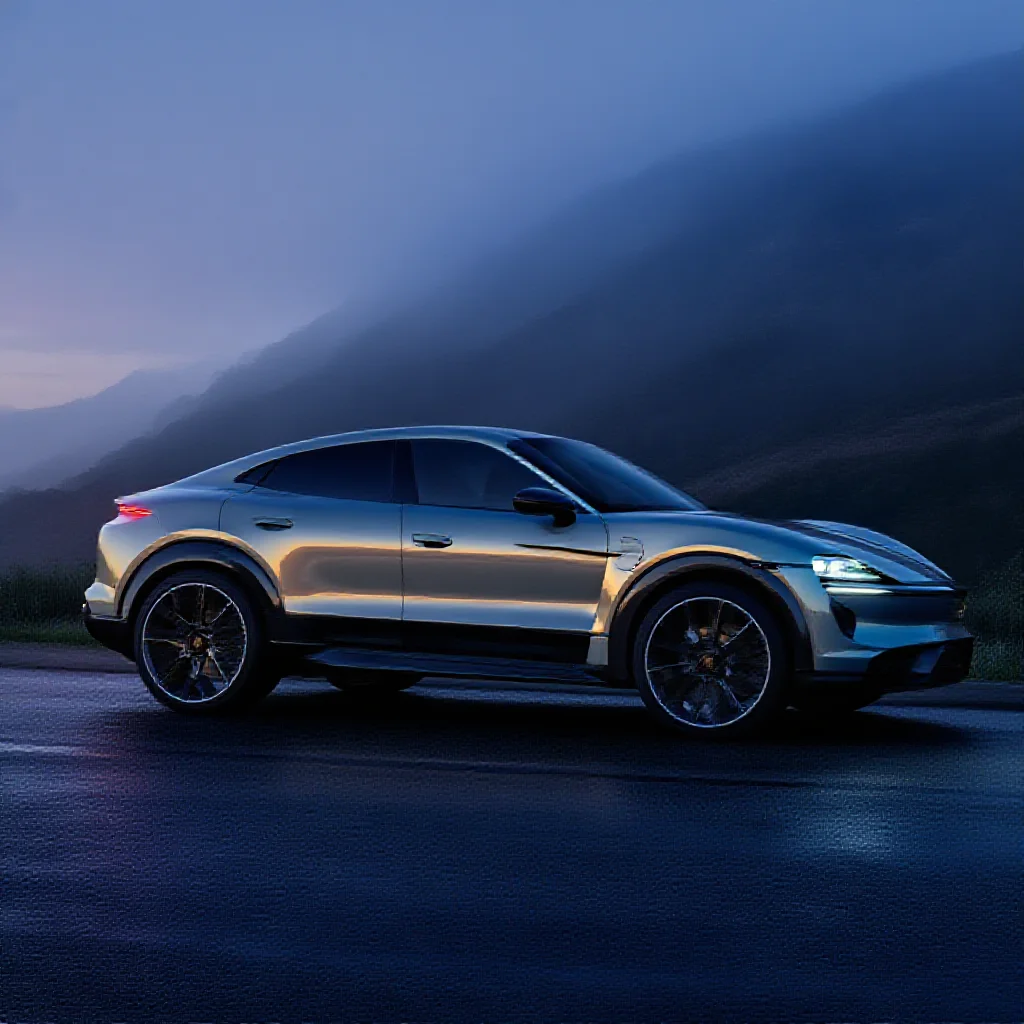
Porsche Cayenne S EV: A $125,000+ Bet on the High-End Electric SUV Market's Future
**Summary:** Porsche has launched the electric variant of its Cayenne S SUV. The vehicle, named the Porsche Cayenne S EV, produces 657 horsepower and carries a starting price above $125,000. (Source 1: [Primary Data]) Its market introduction is scheduled for 2026. (Source 2: [Primary Data])
Beyond the Specs: Decoding Porsche's High-Stakes EV Strategy
The introduction of the Cayenne S EV is a strategic maneuver to protect the Cayenne franchise from electric disruption. The Cayenne line represents a cornerstone of Porsche's volume and profitability within the luxury SUV segment. The launch of a high-performance, high-priced electric variant serves as a defensive perimeter against incursions from electric-only brands such as Tesla and Rivian, which have established strong positions in the premium utility vehicle market.
The price positioning above $125,000 is a deliberate tactic to defend brand prestige and maintain operational margins. In a competitive electric vehicle landscape where price erosion is a constant threat, Porsche leverages its established brand equity to command a premium that safeguards its high-margin business model. Launching an "S" performance variant first prioritizes the reinforcement of Porsche's core brand ethos—high performance—over the pursuit of initial mass-market appeal. This sequence signals that electrification at Porsche will be defined by the brand's traditional values.
657 HP and Premium Price: The Economics of Performance Electrification
The value proposition of a $125,000+ luxury EV extends beyond its substantial battery pack. The cost structure encompasses advanced software integration for performance and vehicle dynamics, proprietary thermal management systems for sustained power delivery, and a significant allocation for the Porsche brand premium itself. The 657 horsepower output is not merely a specification; it is an economic justification, anchoring the vehicle's price in measurable engineering achievement.
This model creates a "halo effect" for Porsche's broader electric portfolio. The Cayenne S EV's technological and performance benchmarks serve to justify and elevate the positioning of future, potentially lower-priced electric models from the brand. The target audience for this vehicle consists of existing luxury performance customers and high-net-worth early adopters for whom price sensitivity is secondary to brand alignment and technological leadership. This launch reveals an evolving luxury demand where electric propulsion is expected to meet, and exceed, the performance standards of internal combustion engines.
The Unseen Impact: Ripples Through the Luxury Supply Chain
The specifications of the Cayenne S EV will exert pressure on the automotive supply chain. The demand for high-nickel battery cells capable of delivering high power density and rapid discharge rates will intensify. (Source 3: [Industry Report Inference]) Tier-1 suppliers will be pressured to develop next-generation components, including advanced silicon carbide power electronics, more efficient electric drive units, and sophisticated thermal management systems capable of handling sustained high-performance output.
The technology pioneered for this flagship model is likely to trickle down to future, more accessible Porsche electric vehicles. Innovations in power electronics, high-voltage architecture, and ultra-fast charging systems developed for the Cayenne S EV will eventually be optimized for cost and scaled across other model lines, improving the performance and capability of Porsche's entire future EV lineup.
2026 and Beyond: The Cayenne S EV as a Market Bellwether
The 2026 launch date places the Cayenne S EV at a critical juncture. It aligns with Porsche's stated strategic goal of having 80% of its global sales be all-electric by 2030. The model enters a maturing competitive battlefield, positioning itself against established rivals like the BMW iX, the forthcoming electric Range Rover, and new entrants such as the Lucid Gravity. Its success or failure will be a key indicator of traditional luxury brand strength in the pure-electric era.
The long-term strategic question is whether the Cayenne S EV signals the eventual phasing out of its internal combustion engine counterpart. A successful launch would accelerate the electrification of the entire Cayenne range, with significant implications for Porsche's manufacturing footprint, powertrain sourcing, and long-term product planning. The vehicle serves as a litmus test for the sustainability of deep brand premiums in a market increasingly defined by electric powertrain parity.