Tesla''s UK Electricity License: A Strategic Move Beyond Cars Into the Energy Grid
In March 2026, Tesla Energy Ventures, a subsidiary of Tesla Inc., obtained a crucial electricity supply license from UK regulator Ofgem. This move, far more than a simple market entry, signals a pivotal shift in Tesla's long-term strategy from automotive manufacturer to integrated energy and mobility platform. The license grants Tesla the authority to supply power directly to British homes and businesses, positioning it to leverage its ecosystem of Powerwalls, solar roofs, and electric vehicles. This analysis explores the hidden economic logic behind this step, examining its potential to disrupt the UK's retail energy market, reshape consumer energy consumption, and create a closed-loop system where Tesla manages both the generation, storage, and consumption of electricity.
Tesla's UK Electricity License: A Strategic Move Beyond Cars Into the Energy Grid
**Summary:** In March 2026, Tesla Energy Ventures, a subsidiary of Tesla Inc., obtained a crucial electricity supply license from UK regulator Ofgem. This move signals a pivotal shift in Tesla's long-term strategy from automotive manufacturer to integrated energy and mobility platform. The license grants Tesla the authority to supply power directly to British homes and businesses, positioning it to leverage its ecosystem of Powerwalls, solar roofs, and electric vehicles. This analysis explores the hidden economic logic behind this step, examining its potential to disrupt the UK's retail energy market, reshape consumer energy consumption, and create a closed-loop system where Tesla manages both the generation, storage, and consumption of electricity.
---
The License Decoded: More Than a Permit, A Strategic Keystone
On March 12, 2026, the UK's Office of Gas and Electricity Markets (Ofgem) granted an electricity supply license to Tesla Energy Ventures Limited (Source 1: [Primary Data]). The license, numbered 10/24/01/0377, explicitly permits the company to supply electricity to domestic and commercial premises across Great Britain (Source 1: [Primary Data]). This regulatory action, documented in Ofgem's public register, moves Tesla's energy ambitions beyond speculation into the realm of operational possibility.
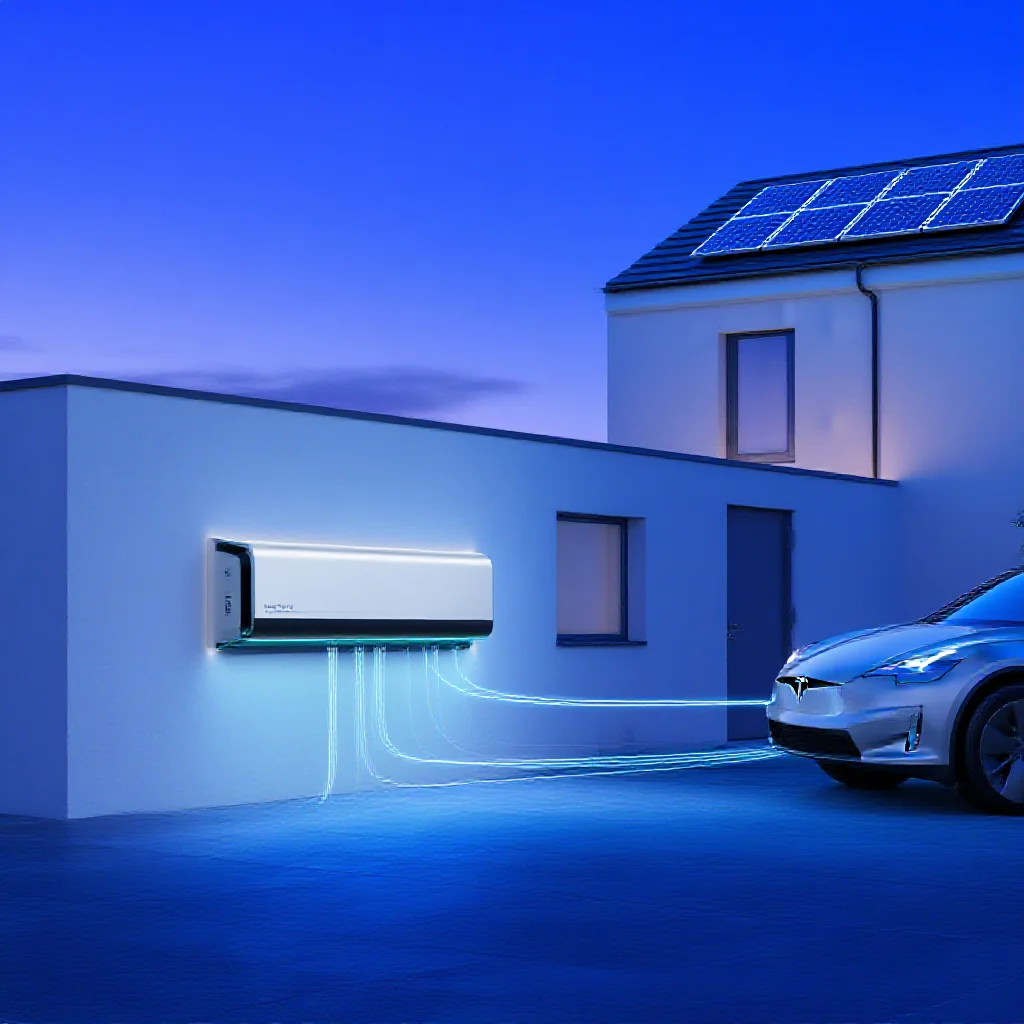
The core strategic implication is vertical integration. This license is not merely a new revenue line; it is the keystone required to unify Tesla's discrete products into a single, controlled ecosystem. It provides the legal framework for Tesla to become the sole manager of the energy value chain for its customers—from generation via solar, through storage in Powerwalls and vehicle batteries, to final consumption in homes and electric vehicles. The license transforms Tesla from a vendor of hardware into a potential architect of personal energy networks.
The Hidden Economic Logic: From Product Sales to Service Subscriptions
The economic model shifts fundamentally with this license. The primary transition is from capital-intensive product sales to recurring, high-margin service revenue. Tesla can now bundle vehicle charging, home power supply, and grid-balancing services into a single, predictable monthly subscription, potentially branded as "Tesla Electric" in the UK. This model increases customer lifetime value and creates a stable revenue stream insulated from the volatility of one-time vehicle sales cycles.
The most potent economic lever, however, is Vehicle-to-Grid (V2G) technology. With a supply license, Tesla can legally aggregate the distributed battery capacity of its UK fleet of electric vehicles. This fleet can be orchestrated as a virtual power plant (VPP). The VPP can sell stored energy back to the grid during periods of high demand or low supply, generating revenue. This turns the electric vehicle from a passive energy cost center into a dynamic, revenue-generating asset. The license is the gateway to monetizing this asset at scale, creating a powerful economic moat that competitors without integrated hardware and software cannot easily replicate.
Why the UK? A Perfect Storm of Market Vulnerability and Tech Readiness
The UK market presents a uniquely favorable environment for this strategic entry. The retail energy sector has been characterized by high consumer dissatisfaction with incumbent "Big Six" suppliers, creating demand for alternative, technology-driven providers. Furthermore, the UK has one of the world's most advanced smart meter rollouts, providing the essential digital infrastructure for real-time energy management and V2G transactions.
Tesla also possesses an established beachhead. A significant and growing installed base of Tesla EV and Powerwall owners in the UK constitutes a ready-made, high-value customer base for cross-selling electricity supply. These customers are already invested in the Tesla ecosystem and are logical early adopters of an integrated energy service. The strategic timing aligns with the UK's 2035 ban on new internal combustion engine vehicles, positioning Tesla to capture customers seeking a seamless integration of their future electric transport and home energy needs.
The Ripple Effect: Disruption Beyond Your Electricity Bill
The implications of Tesla's market entry extend far beyond offering consumers another choice on a price comparison website. For incumbent utilities, the threat is existential. Tesla's model combines generation, storage, and demand management in a way that bypasses traditional wholesale market risks. Incumbents will be forced to accelerate innovation in digital services, storage solutions, and customer engagement beyond mere price competition, or risk being relegated to providers of last-resort grid infrastructure.
For the energy system, the proliferation of Tesla-managed VPPs could enhance grid stability and accelerate the integration of intermittent renewable sources like wind and solar. However, it also raises questions about market concentration and data governance. A single corporate entity could potentially control a significant portion of distributed energy resources, wielding considerable influence over grid balancing and pricing dynamics.
Conclusion: The Dawn of the Integrated Energy Platform
The granting of the electricity supply license to Tesla Energy Ventures is a definitive inflection point. It validates the strategic trajectory of Tesla Inc. from an automotive company to a comprehensive energy and mobility platform. The move leverages the UK's specific market conditions as a testing ground for a service-based, vertically integrated model.
Market analysis suggests the initial impact will be concentrated among early-adopter households with existing Tesla assets, creating a premium, ecosystem-locked segment of the energy market. The long-term industry prediction is a bifurcation: traditional suppliers will continue to serve a broad base, while integrated technology platforms like Tesla will capture the high-value, energy-intensive customer segment that combines electric mobility, home storage, and smart management. The success of this model in the UK will likely serve as a blueprint for regulatory applications and market entries in other regions, fundamentally reshaping the relationship between consumers, their vehicles, and the power grid.