Eco Visuals
The Mycelium Revolution: How Fungi''s Hidden Networks Are Reshaping Conservation and Science
Long relegated to the sidelines of biology, fungi are now at the center of a scientific and conservation paradigm shift. This article explores how the recognition of fungi's critical ecological roles—from forming vast underground nutrient networks to driving decomposition—is catalyzing a new era of research and policy. We examine the emerging 'fungal infrastructure' as a key asset for ecosystem resilience, analyzing the recent surge in institutional initiatives like the IUCN's conservation committee and global mapping projects. The piece argues that this represents not just a biological discovery, but a fundamental rethinking of how we value, map, and protect the foundational systems of life on Earth.
The Mycelium Revolution: How Fungi's Hidden Networks Are Reshaping Conservation and Science
Introduction: From Marginal to Central – The Rise of the Fungal Kingdom
For centuries, the fungal kingdom was relegated to the periphery of biological science and conservation policy. Viewed primarily as decomposers or pathogens, their systemic roles were chronically undervalued. This historical oversight is undergoing a rapid correction. The pivotal realization is that fungi function as fundamental ecosystem engineers, governing nutrient cycles, plant communication, and soil formation. The current period marks a systemic shift in scientific priority and resource allocation toward fungal life, moving it from a marginal concern to a central subject of ecological study and policy.
The Hidden Economy of the Mycelium: Nutrient Networks as Critical Infrastructure
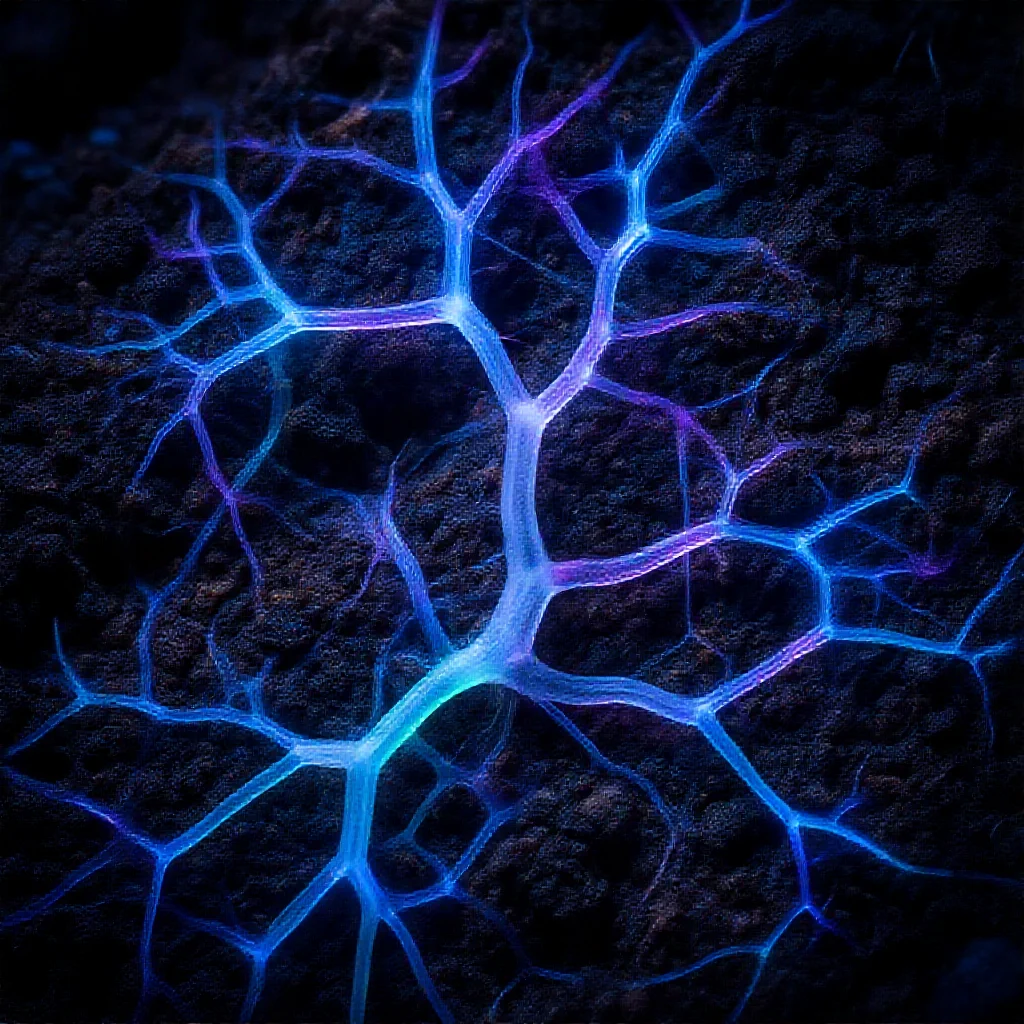
Mycorrhizal networks represent a biological infrastructure of unparalleled scale and efficiency. These symbiotic associations between fungal filaments and plant roots create a subterranean "internet," facilitating the transfer of water, nitrogen, phosphorus, and even chemical warning signals between plants. The economic logic is clear: this network provides a free, decentralized service for nutrient and information exchange, a service whose replacement through artificial means would be prohibitively costly. The impact on biological supply chains is foundational; plant health, carbon sequestration rates, and agricultural productivity are directly dependent on this hidden infrastructure. The systemic value of this network is now formally acknowledged in international assessments, including a 2022 report by the UN Food and Agriculture Organization on the role of fungi in forest health and productivity (Source 1: [UN FAO 2022 Report]).
The Institutional Tipping Point: Mapping and Governing the Underground
The period 2021-2022 represents a convergence point for the formal institutional recognition of fungal networks. This shift is characterized by two parallel initiatives: quantification and governance. The Society for the Protection of Underground Networks (SPUN) launched a project to map fungal networks globally, functioning as a geographic information system for a previously intangible biological asset. This effort aims to create a baseline dataset for monitoring and preserving fungal diversity. Concurrently, the establishment of the International Union for Conservation of Nature (IUCN) Fungal Conservation Committee in 2021 marks a definitive political and policy milestone (Source 2: [IUCN Committee Establishment]). This committee legitimizes fungi within global conservation frameworks, enabling the development of Red List assessments and protection strategies specifically for fungal species.
Curating the Unseen: Museums, Knowledge, and the New Scientific Frontier
The institutional shift extends beyond field mapping and policy into the realm of knowledge curation. The 2022 appointment of a dedicated curator of fungi at the New York Botanical Garden signifies a move to bring fungi from storage to the spotlight in public science institutions (Source 3: [NYBG Curator Appointment]). This represents a critical "slow analysis" deep audit—the systematic building of taxonomic, genetic, and biochemical libraries. Such curated collections are foundational for long-term research. The untapped potential contained within these databases is significant, positioning fungal biodiversity as a future resource for pharmaceutical discovery, materials science, and innovative climate adaptation solutions.
Conclusion: The Mycelial Perspective – A New Blueprint for Planetary Stewardship
The cumulative effect of these developments—mapping projects, policy committees, and curated collections—constitutes more than a series of discrete events. It represents a fundamental rethinking of ecological stewardship. Recognizing fungal networks forces a paradigm shift from a focus solely on protecting individual, visible species to safeguarding the foundational, connective systems that sustain them. The mycelial perspective offers a new blueprint: one that values the underground infrastructure responsible for nutrient cycling, carbon storage, and ecosystem resilience. The logical trajectory points toward increased investment in subterranean biodiversity mapping, the integration of fungal health into agricultural and climate policy, and the continued expansion of bioprospecting informed by robust genetic libraries. The market for mycorrhizal inoculants and fungal-based biomaterials is predicted to grow, driven by both ecological necessity and biotechnological opportunity. This revolution, rooted in the recognition of a long-overlooked kingdom, is reshaping the practical and economic calculus of conservation and science.