Beyond Greenwashing: How DZ Bank''s Civil Defence Bonds Signal a New Era of ''Resilience Finance''
DZ Bank's launch of a bond framework for civil defence and resilience, aligned with ICMA Social Bond Principles, marks a significant evolution in sustainable finance. This analysis moves beyond the press release to explore how this initiative reflects a broader market pivot towards 'resilience finance'—prioritizing societal stability and critical infrastructure alongside environmental goals. We examine the strategic logic behind funding categories like civil protection and critical infrastructure, the credibility conferred by the ISS ESG second-party opinion, and what this signals about the future of banking, risk management, and the ESG investment landscape. This framework is not just a product launch but a bellwether for how financial institutions are redefining their role in an era of geopolitical and climate volatility.
Beyond Greenwashing: How DZ Bank's Civil Defence Bonds Signal a New Era of 'Resilience Finance'

Introduction: From Green to Guarded – The Rise of Resilience Finance
DZ Bank has established a bond framework specifically designed to finance civil defence and resilience projects. (Source 1: [Primary Data]) This framework is formally aligned with the International Capital Market Association (ICMA) Social Bond Principles, and its proceeds are earmarked for categories including civil protection, critical infrastructure, and healthcare. (Source 1: [Primary Data]) This issuance occurs within a global investment landscape redefined by pandemic recovery, geopolitical fragmentation, and climate volatility. The initiative represents a tactical pivot from purely environmental, social, and governance (ESG) themes toward a more comprehensive strategy termed "resilience finance"—the strategic allocation of capital to fortify societal and economic systems against systemic shocks. This framework functions as a direct response to growing institutional and sovereign demand for financial instruments that address non-environmental, yet materially critical, dimensions of systemic risk.

Deconstructing the Framework: Strategic Categories and Hidden Priorities
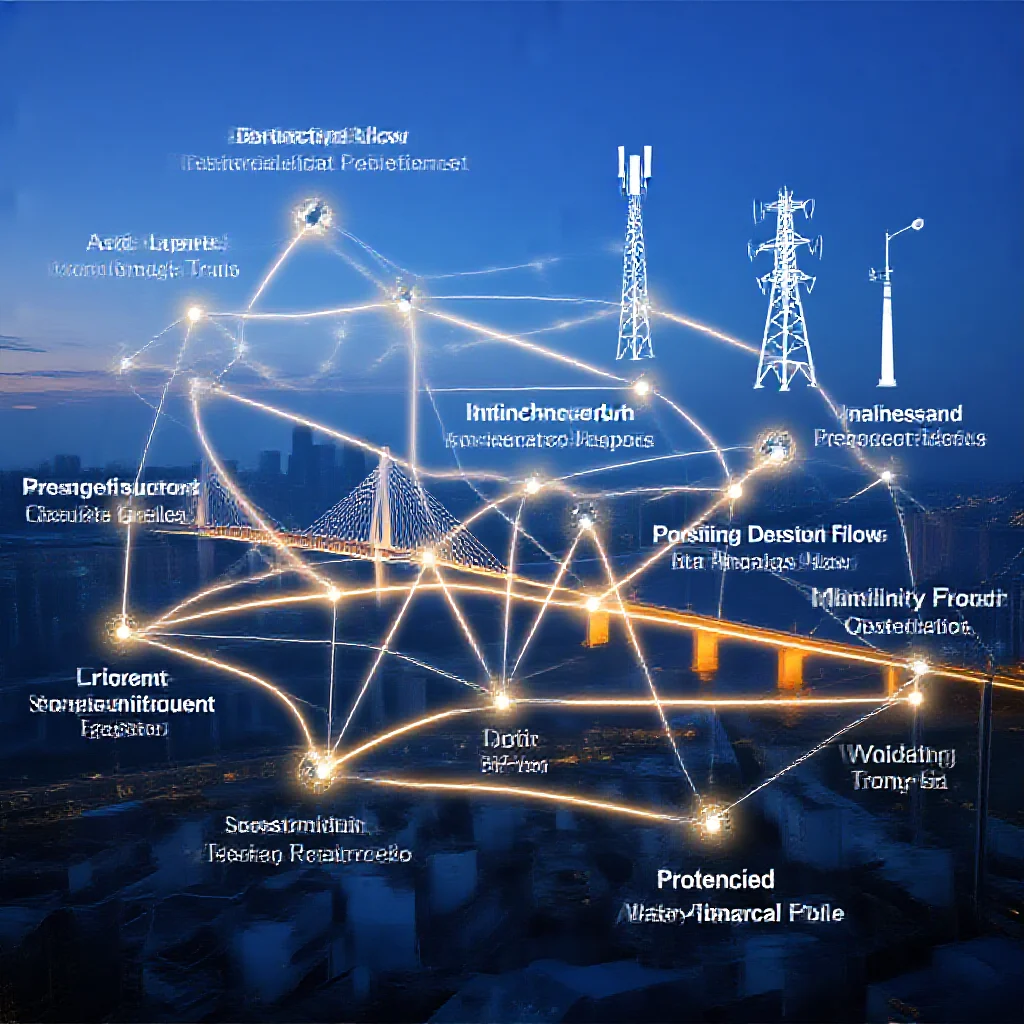
The framework’s defined project categories reveal a targeted investment thesis. Eligible expenditures include civil protection systems, critical national infrastructure, and healthcare capacity. (Source 1: [Primary Data]) This selection is not arbitrary. It directly correlates to identified vulnerabilities in national security, supply chain integrity, and public health. Financing for reinforced digital infrastructure, secure communication networks, or decentralized energy grids, for instance, addresses dual materiality: it generates a social good while simultaneously protecting the economic assets upon which the bank and its clients depend. The use of the ICMA Social Bond Principles provides a structured credibility scaffold, mandating transparent processes for project evaluation, selection, and management of proceeds. This alignment ensures the framework meets established market standards for social bond issuance, moving it beyond a proprietary bank product.

The Second-Party Opinion: ISS ESG's Role and the Credibility Economy
A critical component of the framework is the second-party opinion provided by ISS ESG. (Source 1: [Primary Data]) This external assessment validates the framework’s alignment with the ICMA principles and assesses the materiality of its social objectives. The inclusion of this opinion transforms the initiative from a marketing exercise into an investment-grade instrument. It leverages the credibility economy of sustainable finance, where independent verification is a prerequisite for attracting institutional capital. This dynamic underscores the growing gatekeeping power of ESG rating agencies, whose judgments increasingly determine capital flows and define the boundaries of what constitutes legitimate sustainable or social finance.

Core Axis: The Hidden Logic of Banking on Stability
The strategic logic underpinning this framework extends beyond product diversification. For DZ Bank and its cooperative network, financing societal resilience is a direct form of risk mitigation. By channeling capital into projects that harden critical infrastructure and enhance civil preparedness, the bank actively works to protect the broader economic ecosystem in which its core assets and client base operate. This mirrors a broader market pattern where institutional investors, such as pension funds and insurers, seek investments exhibiting "double materiality"—those that offer financial return while also mitigating the systemic risks that threaten their entire portfolio. The framework is a calculated response to this demand, positioning the bank as a facilitator of stability.
Conclusion: Bellwether for a Volatile Future
DZ Bank’s civil defence bond framework is a significant bellwether for the evolution of sustainable finance. It signals a maturation from a primary focus on environmental remediation toward a more holistic mandate that includes societal preparedness and stability. The likely consequence is the gradual formation of a specialized "resilience" asset class, potentially diverting capital from purely green projects toward hybrid social-stability investments. Future developments will hinge on the framework’s scale of issuance, the granular transparency of project impact reporting, and the market’s appetite for instruments that price geopolitical and social stability risk. This initiative demonstrates how financial institutions are pragmatically redefining their role, not merely as financiers of a green transition, but as architects of systemic resilience in an era of persistent volatility.