Beyond the Alps: How Austria''s Shrinking Glaciers Are Forcing a Radical Energy Pivot
Austria''s energy security, long anchored by hydropower from the Alps, faces a fundamental threat from climate change itself. As glaciers recede, the nation''s reliable 60% hydropower base is diminishing, exposing a projected 11 TWh annual electricity shortfall by 2030. This article analyzes Austria''s urgent, dual-track response: a massive, state-backed acceleration of wind, solar, and grid infrastructure investment to add 27 TWh of new renewable capacity, while navigating the complex economic and geopolitical implications of replacing its bedrock energy source. We explore the hidden logic behind this transition—a strategic decoupling from geographic fate—and its ripple effects on European energy markets and green industrial policy.
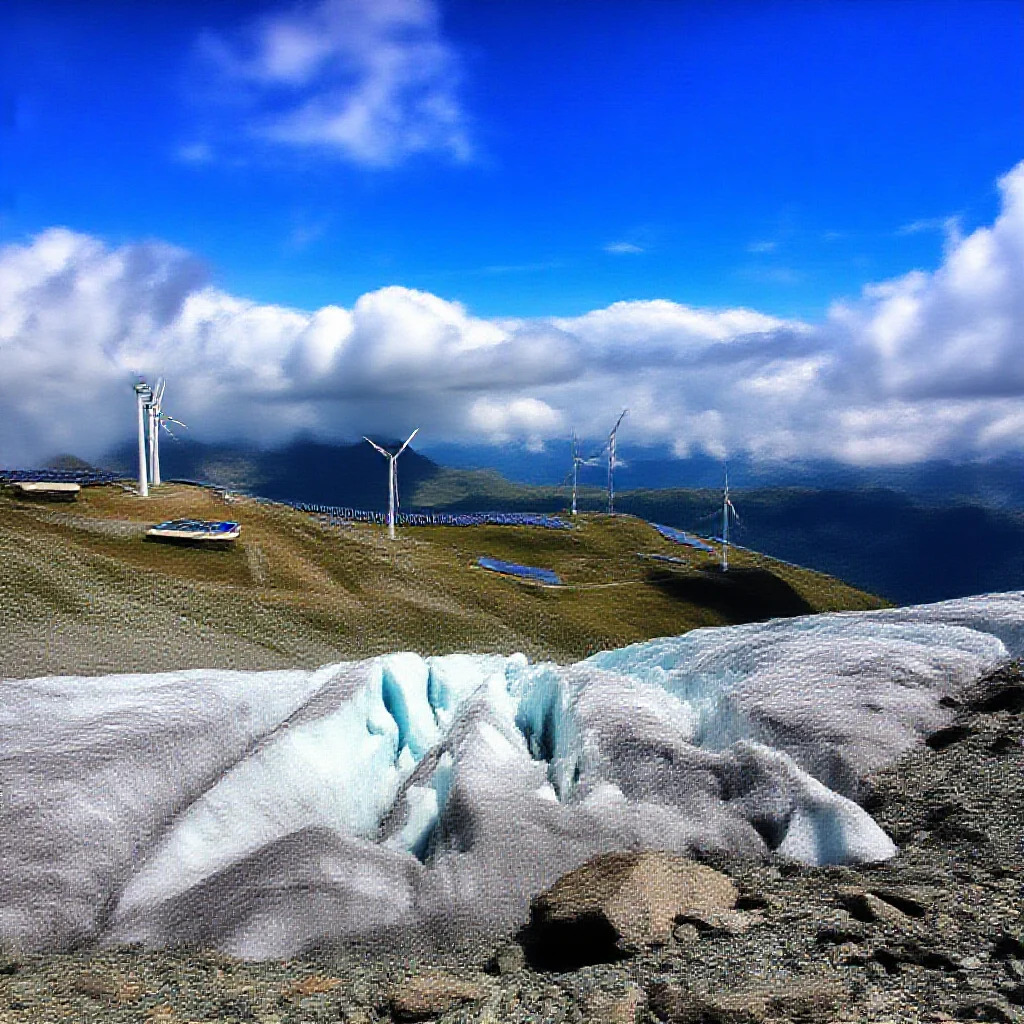
Beyond the Alps: How Austria's Shrinking Glaciers Are Forcing a Radical Energy Pivot
The Hydropower Paradox: Climate Change Undermines a Green Cornerstone
Austria’s electricity grid is among the greenest in Europe, with approximately 60% of its power historically generated by hydropower installations in the Alps. This geographic advantage has provided a stable, low-carbon backbone for the nation’s energy system. The core vulnerability of this model is now exposed by a 2025 government report, which quantifies a direct threat from the climate crisis itself: the rapid recession of Alpine glaciers. (Source 1: [Primary Data])
The report projects an annual electricity shortfall of 11 terawatt-hours (TWh) by 2030 if current trends continue. This figure represents a systemic risk to national energy security, stemming from the erosion of the primary renewable asset the country relies upon. The paradox is clear: the phenomenon that renewable energy aims to mitigate is actively degrading Austria’s most significant renewable resource.

The Billion-Euro Pivot: Anatomy of Austria's 2030 Emergency Plan
In response, Austria has initiated a dual-track strategy of unprecedented scale and pace. The primary objective is to add 27 TWh of new renewable generation capacity by 2030, the same year the nation targets 100% renewable electricity. This build-out necessitates a shift from organic market growth to a state-backed, mission-critical industrial project. Concurrently, grid modernization and expansion have been prioritized, with at least €1 billion earmarked for transmission infrastructure. (Source 2: [Primary Data])
Key institutional players define this transition. Verbund AG, the state-influenced utility giant, is the lead actor in developing new wind and solar generation capacity. Austrian Power Grid AG is tasked with the parallel challenge of modernizing and expanding the high-voltage network to integrate decentralized and intermittent power sources. The government’s role is that of financier, regulator, and strategic coordinator, accelerating permitting and underwriting investment risk.

The Hidden Economic Logic: From Geographic Destiny to Strategic Sovereignty
The strategic imperative behind this pivot extends beyond replacing lost megawatt-hours. Austria is attempting a fundamental decoupling of its energy sovereignty from fixed geography—the Alpine water cycle—to controllable, deployable technology in the form of wind turbines, solar panels, and advanced grid systems. This transition represents a move from a natural endowment model to a technology-based security model.
This reorientation creates sustained, large-scale demand for specific industrial goods: wind turbines, photovoltaic modules, power electronics, and storage solutions. The procurement strategy will inevitably benefit certain EU-based manufacturers and engineering firms, embedding Austria’s energy transition within broader European green industrial policy goals. A critical economic analysis must consider the long-term fiscal impact. The nation is replacing largely depreciated hydropower infrastructure, with its low marginal cost of operation, with new capital-intensive assets. The question of how these costs are socialized—through tariffs, taxes, or state debt—will define the economic burden of adaptation.

Ripple Effects: Austria's Transition in a European Context
Austria’s energy recalibration will alter Central European electricity market dynamics. Historically a net importer with significant seasonal exchange, a successful build-out of 27 TWh of new domestic generation would reduce Austria’s dependency on external power flows. This shift could affect price formation in the region and recalibrate security of supply calculations for neighboring countries, potentially increasing competitive pressure for renewable generation assets across the continent.
This case serves as a precursor for other nations dependent on glacial or snowpack-fed hydropower, including Switzerland, Norway, and parts of the western United States and Canada. The Austrian response—a state-accelerated, technology-driven pivot—provides a template for managing the attrition of a climate-vulnerable baseload resource. The technical and financial strategies deployed here will be closely studied as a model for proactive adaptation.
Conclusion: A Benchmark for Managed Energy Transition
The Austrian energy transition, forced by physical climate impacts, is evolving into a structured test of rapid, large-scale industrial and infrastructural policy. Its success hinges on the simultaneous execution of massive generation deployment and grid modernization within a six-year horizon. The outcome will provide a measurable benchmark for the feasibility of state-led green transitions in developed economies facing immediate climate-driven resource depletion. Market observers will monitor the capacity addition rates, capital efficiency, and integration stability as key performance indicators. The broader implication is the validation—or refutation—of the thesis that advanced economies can strategically decouple energy security from vulnerable natural systems through technology and capital investment within politically relevant timeframes.