Beyond the Forecast: How El Niño''s 2026 Threat to India''s Monsoon Exposes Systemic Agricultural Vulnerabilities
The India Meteorological Department's prediction of a below-normal 2026 monsoon, driven by El Niño, is more than a seasonal weather alert; it's a stress test for India's economic foundations. With agriculture contributing 14% to GDP, this forecast unveils deep-seated vulnerabilities in crop planning, water management, and rural economic stability. This analysis moves beyond immediate rainfall deficits to explore the cascading effects on supply chains, inflation control, and farmer debt cycles. We examine why reactive measures are insufficient and how this predictable crisis highlights the urgent need for structural resilience in the face of climate volatility.
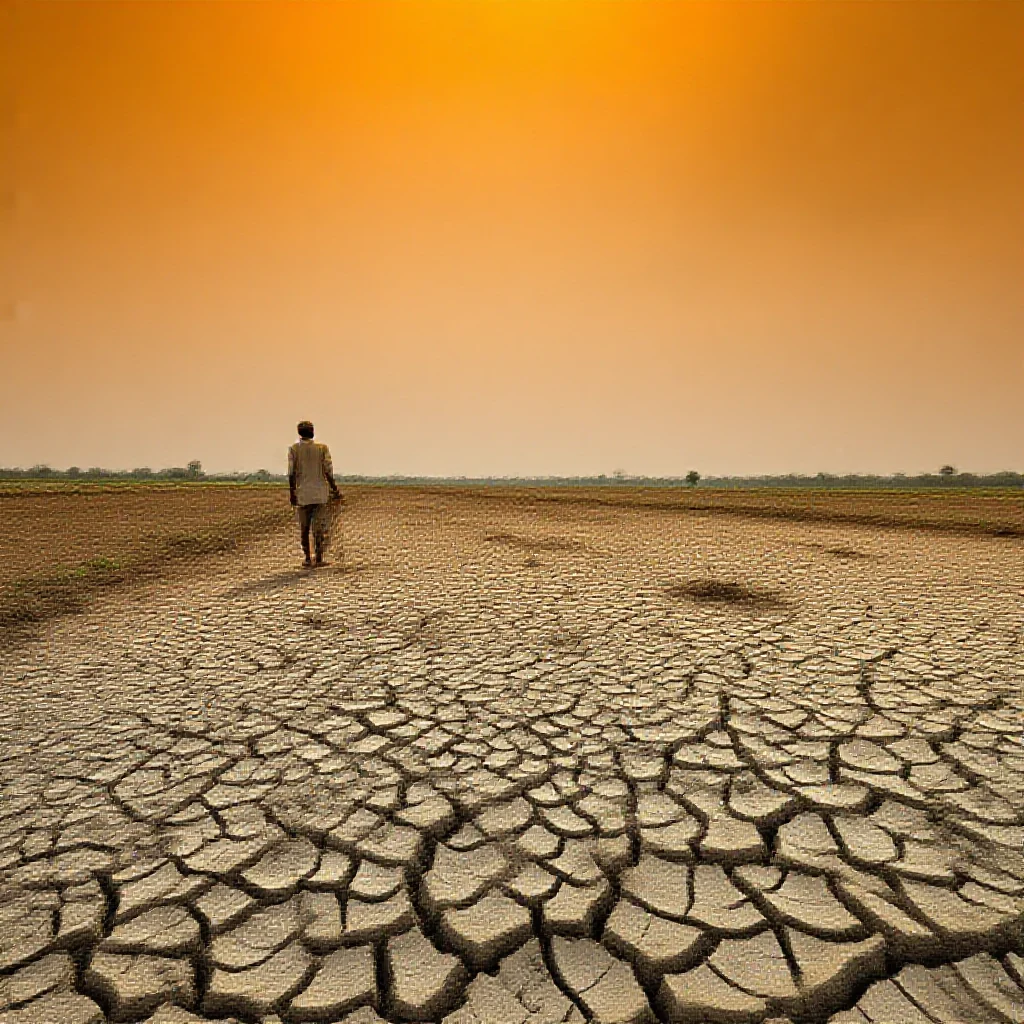
Beyond the Forecast: How El Niño's 2026 Threat to India's Monsoon Exposes Systemic Agricultural Vulnerabilities
The Forecast as a Fault Line: Decoding the IMD's 2026 Warning
The India Meteorological Department (IMD) has issued a prediction for a below-normal monsoon rainfall season in 2026. (Source 1: [Primary Data]) This forecast is attributed to the influence of the El Niño weather pattern, a cyclical warming of the central and eastern Pacific Ocean known to disrupt global atmospheric circulation. The prediction is not an isolated data point but aligns with established climatological models that correlate strong El Niño events with diminished summer monsoon precipitation over the Indian subcontinent. The methodology involves analyzing sea surface temperature anomalies, atmospheric pressure differentials, and historical performance data to generate probabilistic forecasts.
The significance of this specific forecast lies in its extended lead time and the high-confidence attribution to El Niño, elevating it from statistical noise to a quantifiable risk parameter. The core economic stake is substantial. The monsoon is the primary water source for over half of India's arable land, directly influencing agricultural output, which accounts for nearly 14% of the nation's GDP. (Source 2: [Primary Data]) Consequently, the IMD's projection functions as a stress test indicator for a critical segment of the national economy and the livelihood base for a significant rural population.
From Rainfall Deficit to Economic Cascade: The Hidden Domino Effect
The initial impact of a verified below-normal monsoon is sector-specific. Kharif (summer-sown) crops such as rice, pulses, oilseeds, and cotton, which are heavily monsoon-dependent, would be on the front line. The timing and spatial distribution of rainfall deficits would determine the severity, with regions like Maharashtra, Karnataka, and parts of eastern India historically showing high sensitivity to El Niño-induced shortfalls.
The consequences cascade beyond direct crop yield. A primary rainfall deficit triggers compensatory irrigation, placing immense strain on already depleted groundwater reservoirs and increasing demand for diesel-powered pumps, thereby inflating subsidy burdens and farmer input costs. This often prompts reactive, sub-optimal shifts in cropping patterns mid-season.
The third-order systemic risks are macroeconomic. Reduced domestic production of staple crops exerts upward pressure on food prices, complicating inflation control measures. It may necessitate increased imports of pulses and edible oils, adversely affecting the agricultural trade balance. Furthermore, a shortfall in government procurement of staples like rice could strain the operational buffer of the National Food Security Act, which provides subsidized food grains to approximately 800 million people.
The Preparedness Paradox: Why Forecasts Often Outpace Policy Action
A persistent gap exists between early-warning capability and the deployment of pre-emptive, actionable policy. While the IMD's forecasting skill has improved, translating a macro-level monsoon prediction into decentralized, farm-level action remains a significant challenge. The "last-mile" communication involves converting probabilistic meteorological data into specific, timely advisories on crop choice, sowing dates, and water management for millions of smallholder farmers with diverse agro-climatic contexts.
The prevailing model often remains reactive, focusing on drought relief and crisis management post-event. This contrasts with a proactive resilience-building framework that would treat a forecast like the 2026 warning as a trigger for pre-scripted contingency measures. The paradox is that a predictable crisis, signaled years in advance, continues to test a system optimized for response rather than anticipation.
Building Antifragility: Strategic Levers Beyond Cloud Seeding
Structural resilience requires moving beyond singular solutions like cloud seeding or temporary water conservation drives. A multi-pronged strategy is necessary, leveraging several key levers.
The first is agricultural adaptation, driven by technology and data. This includes accelerating the development and dissemination of drought-tolerant and short-duration seed varieties. Integrating sub-district level weather forecasts with soil health card data and market intelligence can enable hyper-localized advisory services for staggered planting and optimized input use.
The second lever is financial infrastructure designed as a shock absorber. The Pradhan Mantri Fasal Bima Yojana (PMFBY) crop insurance scheme requires strengthening to ensure timely claim settlements and increased farmer participation. Furthermore, mechanisms for pre-emptive, forecast-triggered income support could be explored to stabilize rural demand and prevent distress debt cycles before a crisis fully manifests.
The third involves strategic resource management. This includes prioritizing canal maintenance for efficient surface water delivery and policies that discourage water-intensive cropping in critically over-exploited zones, irrespective of monsoon performance.
Neutral Market and Industry Predictions
Based on the forecast and historical precedent, several anticipatory adjustments are likely in commodity and financial markets. Forward trading in agricultural commodities, particularly rice, pulses, and sugar, may see increased volatility and premium pricing for 2026-27 delivery contracts as the season approaches. Agribusiness and input companies may recalibrate inventory and production plans for seeds, fertilizers, and irrigation equipment, with a potential shift in demand toward drought-resilient product lines.
Financial institutions with significant exposure to agricultural credit may initiate stress-testing exercises for their rural loan portfolios. The forecast may also influence longer-term investment analyses in sectors linked to agricultural productivity, water technology, and food logistics. The ultimate market impact will be a function of the monsoon's actual performance and the efficacy of mitigation measures implemented in the intervening period.