Freedom Forever''s Bankruptcy: A Symptom of the Solar Installation Industry''s Deepening Crisis
The Chapter 11 bankruptcy filing of residential solar installer Freedom Forever on April 15, 2026, is not an isolated event but a critical signal of systemic stress within the solar installation sector. This article moves beyond the headline to analyze the underlying economic logic driving this trend. We explore the convergence of factors—from volatile supply chains and shifting government incentives to intense market consolidation and financing challenges—that are reshaping the industry's landscape. By examining Freedom Forever's case as a microcosm, we uncover the deeper market patterns threatening the residential solar boom and what it means for the future of renewable energy adoption in the United States.
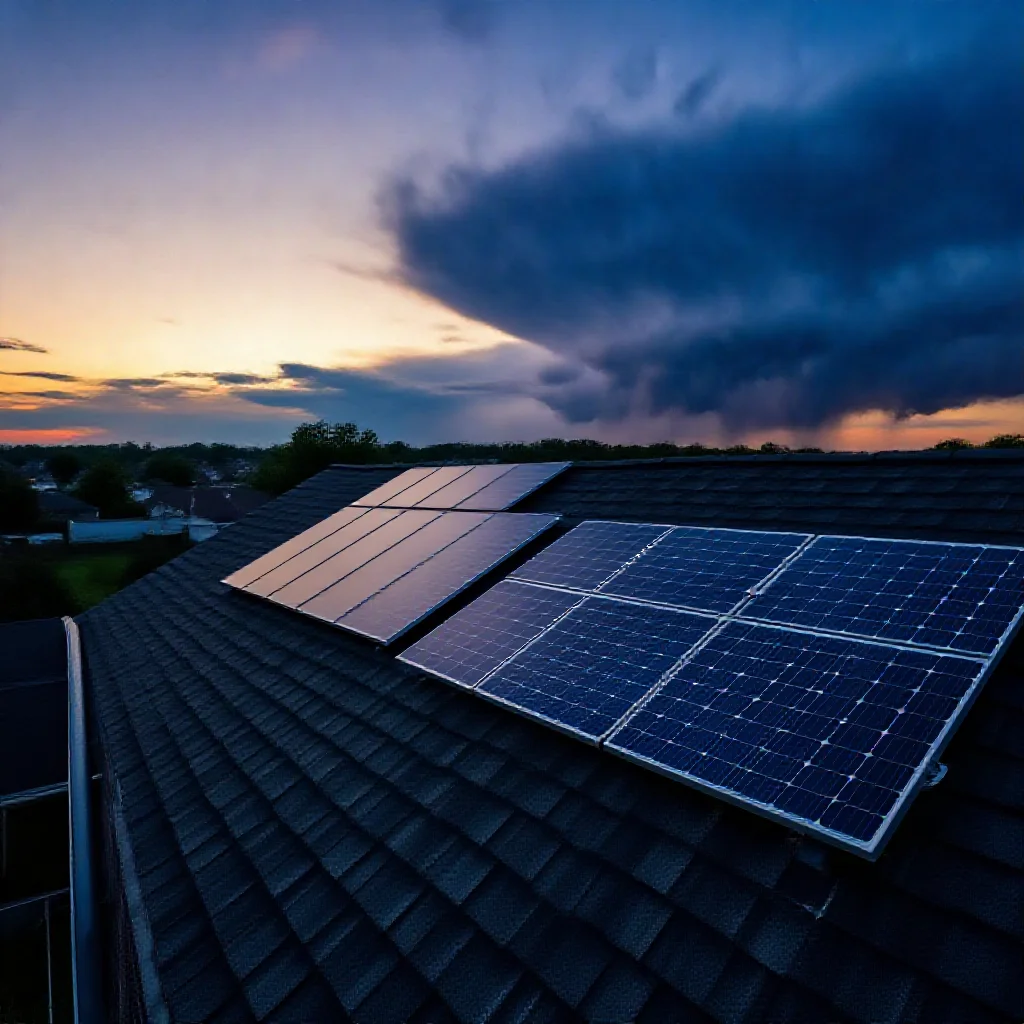
Freedom Forever's Bankruptcy: A Symptom of the Solar Installation Industry's Deepening Crisis
**Subtitle:** A Chapter 11 filing reveals systemic pressures reshaping the renewable energy landscape.
The Filing: More Than a Corporate Failure
On April 15, 2026, residential solar installer Freedom Forever filed a petition for Chapter 11 bankruptcy protection in the U.S. Bankruptcy Court (Source 1: [Primary Data]). This event, while significant, is not an anomaly. It represents a critical inflection point within a sector experiencing profound structural stress. The filing is a predictable outcome of converging, unsustainable market pressures rather than an isolated case of corporate mismanagement. It follows a pattern of financial distress observed across multiple regional and national installers over the preceding 24 months, signaling a sector-wide recalibration.
The Squeeze Play: Unpacking the Solar Installer's Perfect Storm
The bankruptcy filing is the direct result of a severe cost-price squeeze. Installers face escalating costs for photovoltaic modules, inverters, and skilled labor, driven by persistent supply chain complexities and inflationary pressures. Concurrently, their pricing power with consumers has stagnated or declined. This erosion is exacerbated by volatile government incentive structures. Policies like California's Net Energy Metering (NEM) 3.0, which drastically reduced compensation for exported solar power, have created demand shocks in the largest U.S. solar market. While the Inflation Reduction Act (IRA) provides long-term certainty, its implementation has been uneven, failing to offset immediate market disruptions.
A critical, often overlooked pressure point is consumer financing. Installers like Freedom Forever frequently relied on third-party loan providers and Power Purchase Agreement (PPA) structures to make systems affordable. These models, however, create cash flow vulnerability. The installer bears the upfront cost of equipment and installation, only receiving full payment over time as the financier collects from the homeowner. This mismatch strains working capital, leaving companies acutely sensitive to interest rate hikes and any slowdown in new customer origination.
The Ripple Effect: Supply Chain and Market Consolidation
The failure of a significant installer sends destabilizing ripples through the entire solar value chain. Distributors are left with overstock and unpaid invoices, while manufacturers face sudden drops in order volume, complicating production planning. The most significant long-term consequence is accelerated market consolidation. The current environment favors large, vertically-integrated players with diversified revenue streams, such as those offering grid services or battery storage integration, and those with robust balance sheets capable of weathering financing headwinds. Regional and mid-sized installers are increasingly marginalized or acquired.
This consolidation presents a hidden but material risk to consumers. Installer bankruptcies can orphan existing solar installations, leaving questions about the validity of performance guarantees and system warranties. The obligation for long-term maintenance and repair may become ambiguous, potentially undermining consumer confidence in residential solar as a durable asset.
Verification and Context: Placing the Facts in the Broader Narrative
The factual anchor of this analysis is the verified legal filing by Freedom Forever on the stated date (Source 1: [Primary Data]). This event corroborates broader industry data. Reports from the Solar Energy Industries Association (SEIA) have documented a sequential decline in residential solar installations in key states following policy changes. Financial analyst notes throughout early 2026 consistently highlighted deteriorating margins and elevated customer acquisition costs across the installer segment. Public statements from CEOs of surviving firms have acknowledged a "market correction" and "heightened selectivity."
Contrasting business models provide further context. Companies that have integrated energy storage as a standard offering, or those that have developed software platforms for grid management and virtual power plants, demonstrate more resilient revenue models. These strategies reduce dependency on the simple, one-time installation sale and create recurring revenue streams, better insulating them from the installation-centric pressures that precipitated Freedom Forever's filing.
Conclusion: Neutral Market Prognosis
The Chapter 11 filing of Freedom Forever is a definitive marker of a new phase for the U.S. residential solar industry. The sector is transitioning from a period of rapid, subsidy-driven growth to one defined by operational efficiency, financial discipline, and strategic diversification. The immediate future will likely see continued consolidation, with a smaller number of larger, more integrated entities controlling greater market share. Consumer adoption may slow in the short term as the market digests these changes and establishes new stability. The fundamental drivers for solar—falling technology costs and decarbonization goals—remain intact. However, the pathway to growth will be governed by more conventional business metrics, marking the end of the industry's earlier, less constrained expansion.