Beyond the Site: Decoding New York''s 2026 Nuclear Power Plant Selection as a Strategic Energy Pivot
New York State's plan to select a site for a new nuclear power plant by 2026 is more than a simple infrastructure decision. This analysis positions the move as a critical strategic pivot within the state's broader energy framework, aimed at ensuring grid reliability, meeting ambitious decarbonization goals, and signaling a long-term commitment to advanced nuclear technology. We explore the unspoken economic and regulatory pressures driving this timeline, the potential supply chain and workforce implications, and how this state-led process contrasts with federal initiatives, revealing a calculated bet on nuclear's role in a post-fossil fuel economy.
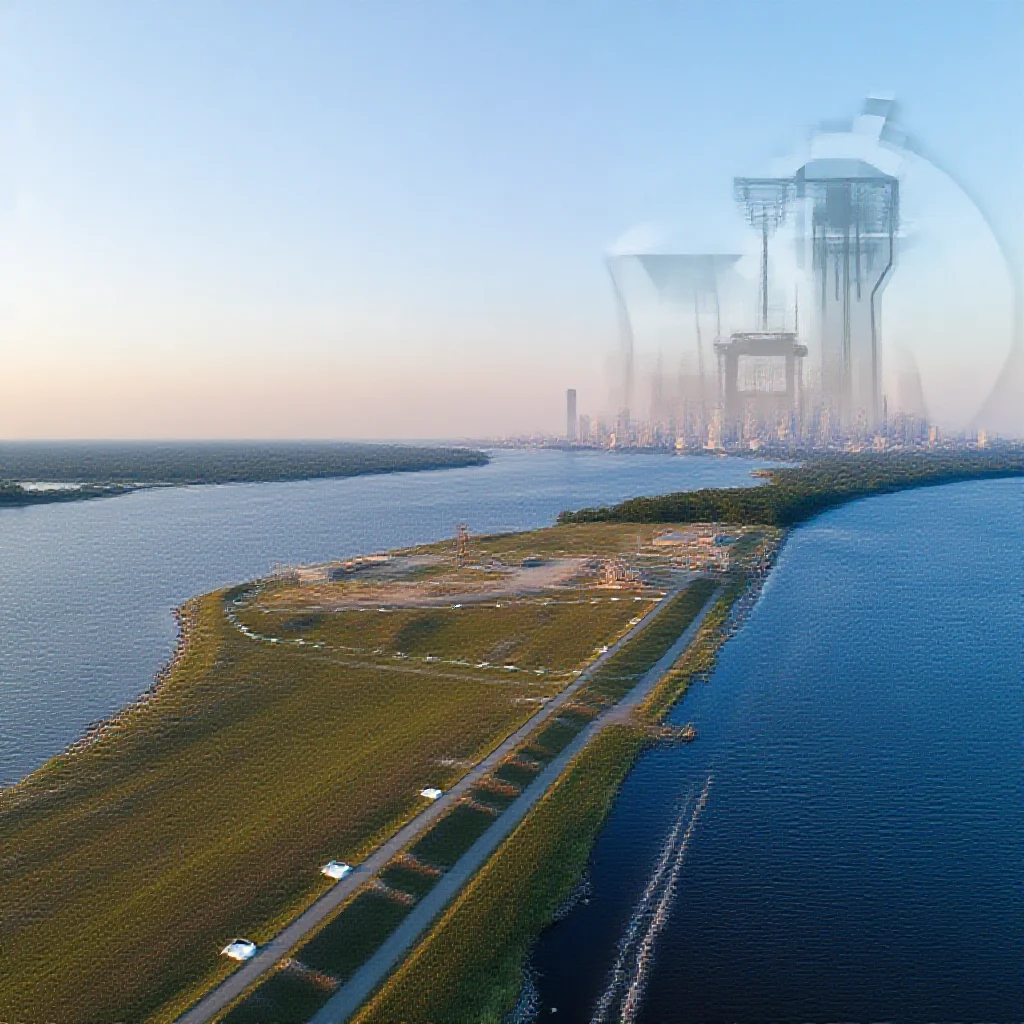
Beyond the Site: Decoding New York's 2026 Nuclear Power Plant Selection as a Strategic Energy Pivot
Introduction: The 2026 Deadline as a Strategic Signal
New York State has initiated an administrative process to select a site for a new nuclear power generation facility, with a decision targeted for 2026 (Source 1: [Primary Data]). This action is not an isolated infrastructure project but a calculated component of the state's mandated energy transition. The directive is embedded within the framework of the Climate Leadership and Community Protection Act (CLCPA), which requires a zero-emission electricity sector by 2040. The site selection represents the first material commitment in a multi-decade sequence, positioning advanced nuclear technology as a future baseload power source. The core strategic thesis is that this is a state-level maneuver to ensure long-term grid reliability and technological sovereignty in a decarbonizing economy.
Deconstructing the Timeline: Why 2026 is More Than a Date
The 2026 target is a signal of administrative urgency, not the completion of the project. A multi-year regulatory runway is required between site selection and potential operation, which is not anticipated before the mid-2030s. This timeline aligns with two critical pressures: the retirement schedules of existing dispatchable generation assets and the expanding but intermittent output from renewable sources like offshore wind and solar. The selection deadline functions as a forcing mechanism to commence the lengthy licensing, environmental review, and detailed engineering phases. This schedule suggests a strategic intent to have new, firm capacity operational before potential reliability shortfalls materialize, as indicated in forward-looking grid assessments.
The Unspoken Criteria: Hidden Factors in the Site Selection Calculus
The site evaluation will extend beyond basic geography. Key technical criteria will include existing transmission interconnection capacity and water access for cooling, which are non-negotiable for plant viability. Furthermore, the process will be influenced by New York's statutory "energy justice" considerations, which may prioritize or avoid certain communities based on historical environmental burdens. A deeper analytical point is that the chosen site's characteristics will inherently constrain the reactor technology choice. A location with limited grid export capacity or cooling water may favor a small modular reactor (SMR), while a robust, existing transmission hub could accommodate a larger Generation III+ unit. This pre-determination will have cascading effects on vendor selection and the associated supply chain. The political economy of job creation and tax base enhancement will also be a significant, though often unstated, factor in the final decision.
Supply Chain & Workforce: The Long-Term Ripple Effect
A 2026 site selection commits the state to a long-term industrial strategy. It projects demand a decade into the future for specialized construction firms, advanced manufacturing for nuclear components, and a pipeline of nuclear-skilled labor including engineers, health physicists, and security personnel. The analysis raises the question of whether New York can cultivate a localized hub for this supply chain or will remain dependent on out-of-state or global suppliers. Reports on the domestic nuclear industrial base highlight challenges including a fragmented supplier network and an aging workforce (Source 2: [Secondary Data - U.S. Nuclear Infrastructure Council/DOE reports]). The state's actions post-2026 will reveal whether it views nuclear expansion as a mere procurement exercise or as an opportunity to rebuild domestic industrial capability.
State vs. Federal: New York's Autonomous Energy Path
This process delineates a distinct, state-led model for energy infrastructure development. It contrasts with federal initiatives, such as Department of Energy demonstration programs, by being an administrative selection driven by state-specific policy goals and grid needs. New York is not merely participating in a national technology rollout; it is executing a sovereign energy strategy using advanced nuclear as a tool. This approach allows the state to tailor the project to its unique regulatory environment, ratepayer structures, and decarbonization timeline. It represents a calculated bet on nuclear energy's role in a post-fossil fuel economy, orchestrated at the state level.
Conclusion: A Calculated Bet on Baseload's Future
The 2026 site selection is a pivotal market signal. It indicates New York's institutional conclusion that weather-dependent renewables, even at scale, require firm, zero-emission complementarity to ensure a reliable grid. The process will test the state's ability to navigate complex technical, regulatory, and community engagement challenges inherent in major infrastructure. The ultimate impact will be measured not by the announcement of a site, but by whether it catalyzes sustained investment, supply chain development, and regulatory innovation. The success or failure of this strategic pivot will provide a critical case study for other jurisdictions weighing the integration of advanced nuclear technology into deep decarbonization pathways.