Beyond the Press Release: Decoding the BMW-Rimac Battery Alliance and Its Supply Chain Shockwaves
The announced cooperation between BMW Group and Rimac Technology on high-voltage batteries for the i7 is more than a simple tech partnership. This analysis uncovers the strategic calculus behind the move, revealing it as a calculated pivot by BMW to access Rimac's agile, high-performance innovation pipeline and circumvent traditional Tier-1 supplier bottlenecks. We examine the long-term implications for the battery supply chain, questioning which established players stand to lose and how this signals a new era of OEMs partnering with disruptive tech firms to control the core EV value chain. The timing, ahead of the 2026-2027 model cycles, suggests a race to redefine premium EV performance benchmarks.
Beyond the Press Release: Decoding the BMW-Rimac Battery Alliance and Its Supply Chain Shockwaves
**Article Summary:** The announced cooperation between BMW Group and Rimac Technology on high-voltage batteries for the i7 is more than a simple tech partnership. This analysis uncovers the strategic calculus behind the move, revealing it as a calculated pivot by BMW to access Rimac's agile, high-performance innovation pipeline and circumvent traditional Tier-1 supplier bottlenecks. We examine the long-term implications for the battery supply chain, questioning which established players stand to lose and how this signals a new era of OEMs partnering with disruptive tech firms to control the core EV value chain. The timing, ahead of the 2026-2027 model cycles, suggests a race to redefine premium EV performance benchmarks.
---
The Surface Deal: A Straightforward Tech Partnership for the i7
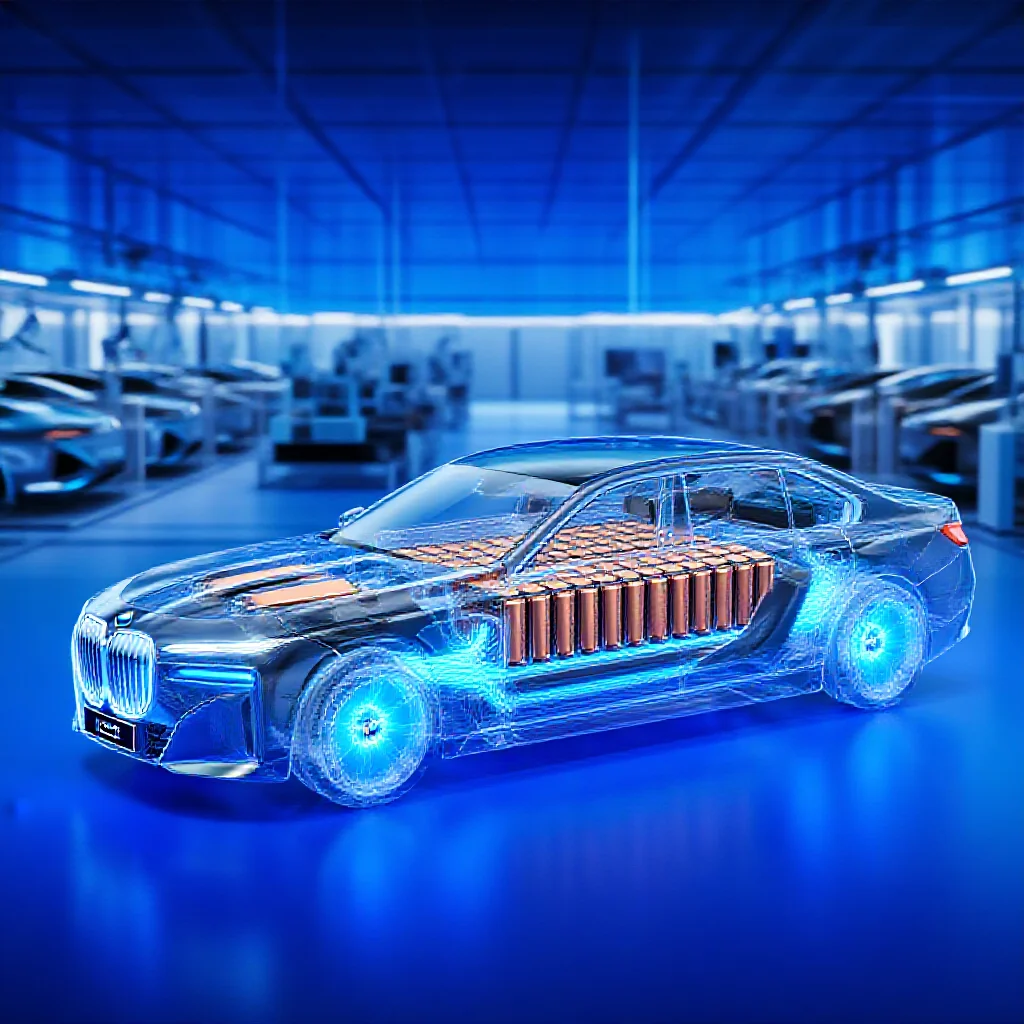
On April 7, 2026, the BMW Group and Rimac Technology announced a formal cooperation agreement. The stated objective is the joint development of high-voltage battery technology specifically intended for the flagship BMW i7 sedan (Source: BMW Group press release, April 7, 2026). The announcement, disseminated through cleantechnica.com, targeted an audience familiar with clean technology and electric vehicle (EV) advancements. The surface-level narrative presents a logical collaboration: a legacy automotive manufacturer renowned for driving dynamics partners with a company that has demonstrably redefined electric hypercar performance. The primary goal, as communicated, is to create a next-generation battery unit for a specific, high-profile model line.
The Hidden Calculus: Why Rimac, and Why Now?
A deeper analysis reveals a strategic maneuver with distinct motives. Rimac Technology operates not as a mass-market battery manufacturer but as a hyper-specialized innovation lab for high-performance EV systems. For BMW, this partnership functions as a proxy for an internal "skunkworks" project, providing accelerated access to cutting-edge battery architecture, power electronics, and software integration. This move indicates a potential strategic gap in BMW’s in-house or traditionally sourced capabilities for the ultra-high-performance segment of the EV market, where power density and discharge rates are critical differentiators.
The 2026 announcement timeline is a significant clue. It positions the cooperation as a pre-competitive development phase for future model years, likely targeting the 2027-2028 vehicle cycles. This is not a solution for immediate production shortages but a calculated investment for the next performance leap. The partnership allows BMW to bypass the often slower, roadmap-driven innovation cycles of large, established battery suppliers, injecting Rimac’s agile, prototype-driven development culture directly into its premium EV pipeline.
Supply Chain Shockwaves: The Losers and the New Ecosystem
The BMW-Rimac alliance sends disruptive signals through the existing EV battery supply chain. It demonstrates a deliberate marginalization of established battery cell and pack suppliers—such as CATL, Samsung SDI, or Northvolt—from the high-value, bespoke design phase for a manufacturer’s most premium segments. While these giants will likely continue to supply standardized cell formats at scale, the core intellectual property for integration, advanced thermal management, and performance-oriented software is being sourced elsewhere.
This reflects a growing view among legacy OEMs that the battery cell itself is trending toward commoditization. The unique value, particularly in the premium segment, is increasingly derived from the system architecture, software, and integration prowess that surrounds those cells. The long-term implication is a potential reshaping of the supplier hierarchy. A new ecosystem may emerge where Original Equipment Manufacturers (OEMs) partner with niche, technology-focused firms like Rimac to regain control over core EV IP, reducing strategic dependency on a handful of mega-suppliers and creating a more fragmented, innovation-centric supplier landscape.
The i7 as a Testbed: Redefining 'Premium' in the Electric Era
The selection of the BMW i7 as the target vehicle is strategic. It moves the development beyond a laboratory exercise and into a concrete application for the brand’s technological flagship. The objective extends beyond merely increasing kilowatt-hour capacity for range. The partnership aims to leverage Rimac’s expertise to deliver performance attributes critical to the BMW brand ethos: exceptional power density, ultra-high discharge rates for acceleration, and repeatable performance under demanding conditions.
This collaboration seeks to redefine the parameters of "premium" in the electric era. For a traditional performance-oriented manufacturer like BMW, simply matching the range of competitors is insufficient. The future benchmark will encompass holistic driving performance, where the battery is an active performance component, not just an energy vessel. The i7 will serve as a testbed for this philosophy, with the developed technology likely trickling down to future performance-oriented BMW EV models, including the anticipated next-generation electric M vehicles.
Neutral Market Prediction: A Precursor to Strategic Fragmentation
The BMW-Rimac cooperation is a precursor to a period of strategic fragmentation in automotive electrification. It establishes a viable template for other legacy OEMs, particularly those with strong performance sub-brands, to follow. The trend will likely see increased partnerships between large manufacturers and smaller, agile technology firms specializing in specific domains like battery systems, electric motors, or software-defined vehicle platforms.
The established battery supply chain will respond in two ways. Major suppliers will accelerate their own high-performance divisions and offer more bespoke solutions to retain high-margin business. Concurrently, the market for specialized engineering and technology firms like Rimac will expand, as they become critical innovation partners rather than just component suppliers. The net effect is a more complex, competitive, and innovation-driven ecosystem for high-performance EV technology, with OEMs taking a more direct and deliberate role in controlling the architecture that defines their electric vehicles' core character.