Beyond the Headlines: How Boreal''s Record 20-Electric-Ferry Order Signals a Hydrofoil Revolution in Maritime Transport
Swedish operator Boreal's landmark order for 20 Candela P-12 electric hydrofoil ferries is more than just a large purchase; it's a strategic bet on a new paradigm for coastal transit. This analysis moves beyond the record-breaking headline to explore the underlying economic and technological forces at play. We examine how hydrofoiling technology fundamentally alters the business case for electrification by drastically reducing energy consumption, enabling longer routes and higher speeds with smaller batteries. The piece investigates the long-term implications for Norway's ferry-dependent coastal communities, the potential disruption to traditional shipbuilding supply chains, and why this order may mark the tipping point where niche electric vessels transition to mainstream maritime mobility solutions.
Beyond the Headlines: How Boreal's Record 20-Electric-Ferry Order Signals a Hydrofoil Revolution in Maritime Transport
*Swedish operator Boreal's landmark order for 20 Candela P-12 electric hydrofoil ferries is more than just a large purchase; it's a strategic bet on a new paradigm for coastal transit. This analysis moves beyond the record-breaking headline to explore the underlying economic and technological forces at play.*

Decoding the Record Order: Not Just Volume, but a Vote for a New Technology
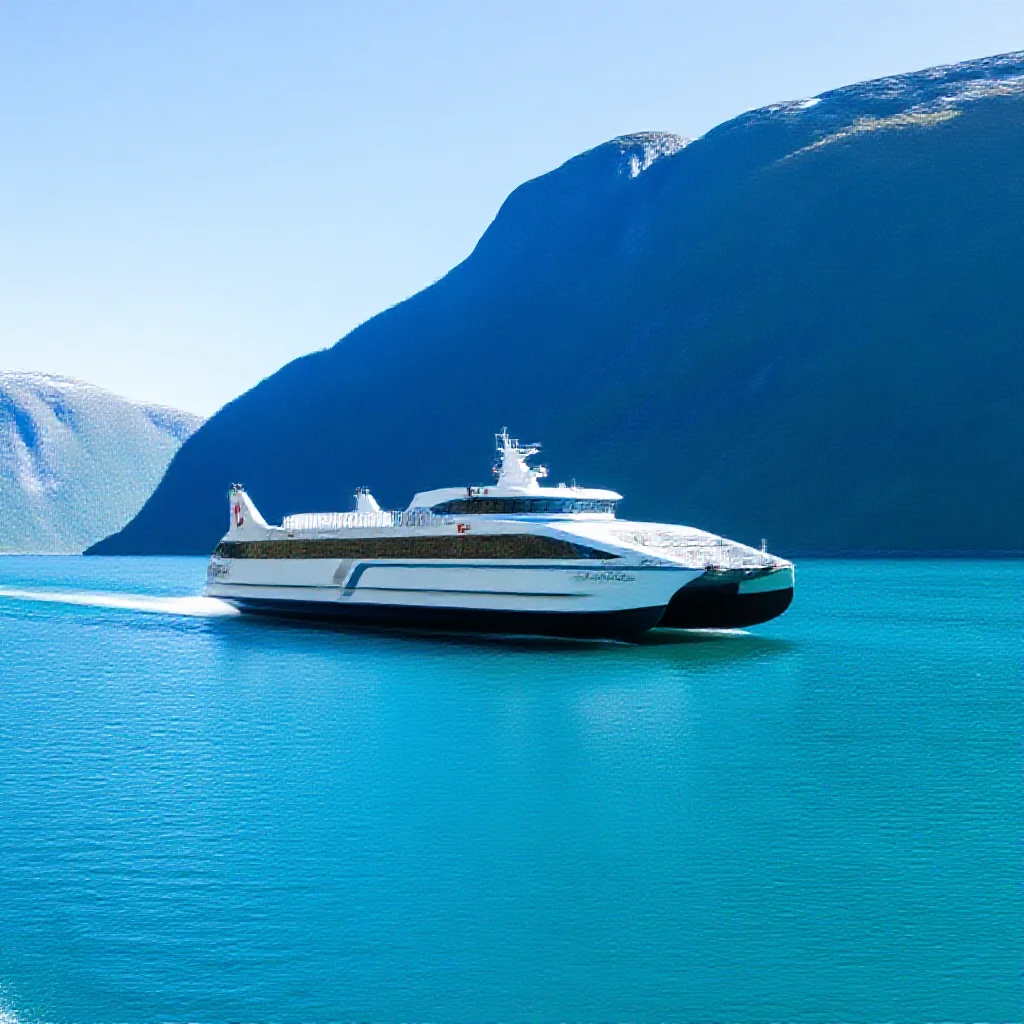
The announcement that Swedish operator Boreal has placed an order for 20 Candela P-12 electric ferries constitutes the largest single order for electric passenger vessels to date (Source 1: [Primary Data]). This transaction distinguishes itself from previous deals for smaller leisure craft or isolated pilot vessels. Boreal’s commitment to a fleet of 20 units of a single, relatively new vessel type indicates a transition from experimental testing to scaled operational deployment.
The strategic implication is clear. This order represents a calculated vote of confidence in the specific platform—the electric hydrofoil—rather than a generic endorsement of maritime electrification. The core hypothesis driving this analysis is that the scale of the order is directly attributable to the unique economic advantages unlocked by the hydrofoil configuration, which fundamentally alters the viability calculus for electric vessels on commercial routes.

The Hydrofoil Edge: The Hidden Economics Disrupting Maritime Math
The operational superiority of the Candela P-12 is rooted in applied physics. By lifting the vessel's hull above the water on computer-controlled hydrofoils, hydrodynamic drag is reduced by approximately 80% compared to a conventional planing hull. This reduction in drag is the critical variable for electric maritime transport, as it translates directly to a drastic decrease in energy consumption per nautical mile.
This efficiency creates a cascading economic effect. Lower energy demand permits the use of a smaller, less expensive battery pack to achieve a viable operational range. For the P-12, this enables a speed of 30 knots with a range of 50 nautical miles, performance parameters that are challenging for conventional electric hulls. The consequent reductions in both capital expenditure (smaller battery) and operational expenditure (lower energy cost) accelerate the point at which the total cost of ownership becomes competitive with, or superior to, diesel alternatives (Source 1: [Primary Data]). Furthermore, the hydrofoil system provides secondary operational benefits: a significantly smoother ride in waves, minimal wake generation, and the ability to maintain high speed in varied conditions, enabling more reliable and frequent scheduling.

Norway as the Perfect Launchpad: Policy, Geography, and Market Readiness
The selection of Norway as the operational theater for this fleet is not coincidental; it is the result of convergent enabling factors. Norwegian legislation mandates that all new ferry tenders must offer zero-emission solutions, creating a guaranteed market for compliant technology. This policy is reinforced by substantial public funding mechanisms designed to de-risk early adoption of green maritime technology.
Geographically, Norway presents an ideal ecosystem. Its extensive, sheltered coastline hosts one of the world's densest ferry networks, with many routes falling within the P-12’s effective range. The nation also generates over 90% of its electricity from renewable sources, ensuring that the vessels' operational emissions are near zero on a well-to-wake basis. For Boreal, the operational fit involves deploying the P-12s on specific, shorter, high-frequency coastal routes where the vessel’s speed and cost profile can maximize asset utilization and passenger throughput, displacing older, less efficient diesel vessels.
The Ripple Effect: Supply Chain, Competition, and the 'Follower' Dilemma
The scale of Boreal’s order will have material long-term implications for maritime supply chains. A shift toward serial production of composite-hull, hydrofoil-equipped vessels could disrupt traditional steel and aluminum shipbuilding sectors. Supply chains will need to adapt to provide advanced flight control systems, high-power density batteries, and lightweight composite materials at commercial scale.
This order also places competing ferry operators and shipbuilders in a strategic bind, known as the "follower's dilemma." Observing Boreal’s fleet-wide commitment, competitors must now decide whether to continue incremental development of conventional electric hulls or attempt a rapid pivot to foiling technology. The risk of being locked into an obsolete technological pathway is now palpable. The order effectively serves as a large-scale, public validation of the hydrofoil platform, likely accelerating R&D investment and competitive product announcements across the industry.
Neutral Market Prediction: From Niche to Mainstream Mobility
The Boreal-Candela agreement is analyzed as a potential tipping point for electric maritime transport. It demonstrates that under specific but replicable conditions—supported by policy, suitable geography, and transformative technology—electric vessels can transition from niche demonstrations to core components of public transit networks.
The immediate prediction is for increased order activity for similar vessels in other regions with comparable profiles, such as archipelagos and sheltered coastal zones with clean energy grids. The secondary prediction involves technological diffusion; the core efficiency advantages of hydrofoils will exert pressure on all electric vessel designers to prioritize drag reduction, potentially spurring innovation in other areas like air lubrication or hull form. The ultimate indicator of success will be whether the operational and economic data from Boreal’s deployed fleet validates the model, compelling further adoption and solidifying the hydrofoil’s role in the future of sustainable maritime mobility.