Canada''s Electrification Paradox: Surging Demand Meets Grid Gaps in the Race to 2050
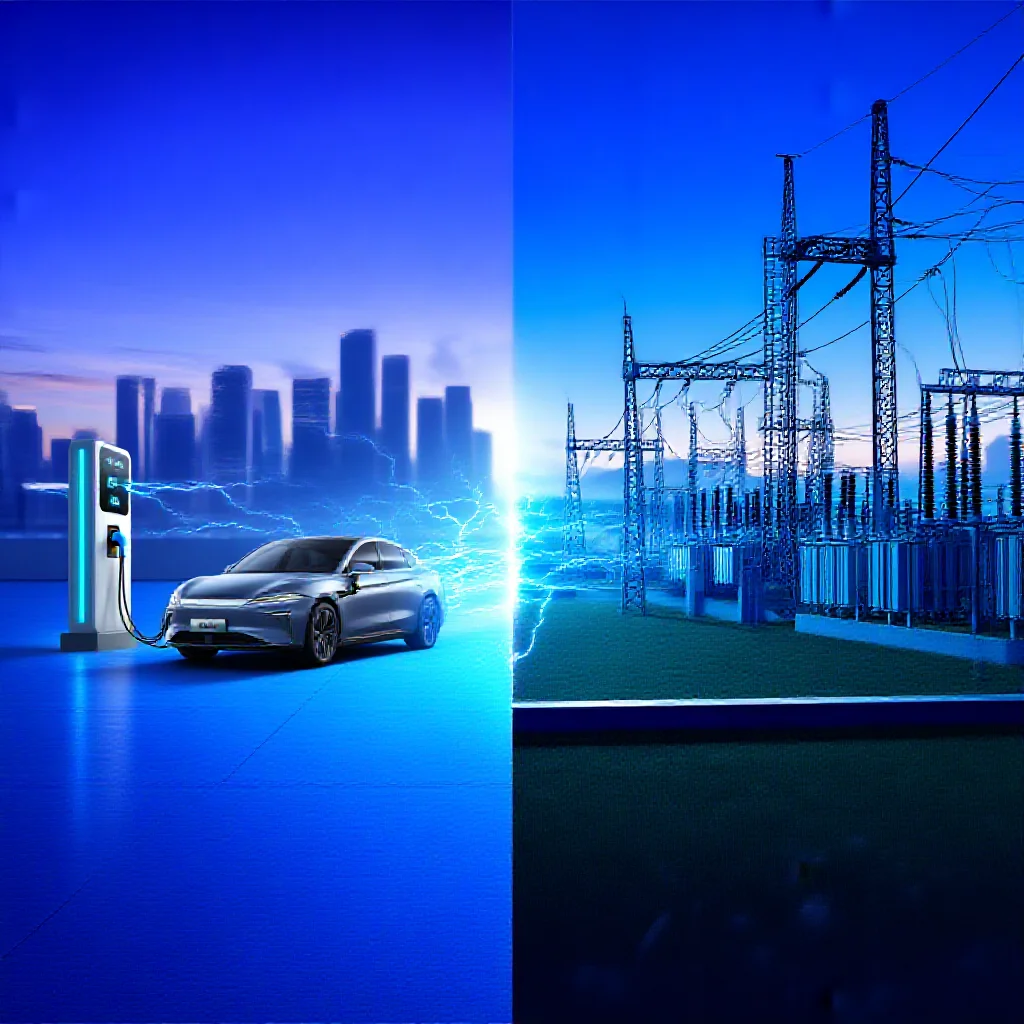
Canada is at a critical inflection point in its energy transition. While electric vehicle adoption is accelerating and industrial projects are moving forward, the underlying infrastructure is struggling to keep pace. The core challenge is a fundamental mismatch: ambitious electrification targets are colliding with a grid that must double its capacity by 2050 and urgently add 10-15 gigawatts within a decade. This article analyzes the hidden economic logic of this transition, examining not just the visible progress in transportation and industry, but the less-discussed supply chain and investment bottlenecks that threaten to slow widespread adoption. The path forward requires a synchronized build-out of generation, transmission, and enabling infrastructure to turn policy goals into reality.
Canada's Electrification Paradox: Surging Demand Meets Grid Gaps in the Race to 2050
Canada is at a critical inflection point in its energy transition. While electric vehicle adoption is accelerating and industrial projects are moving forward, the underlying infrastructure is struggling to keep pace. The core challenge is a fundamental mismatch: ambitious electrification targets are colliding with a grid that must double its capacity by 2050 and urgently add 10-15 gigawatts within a decade. This article analyzes the hidden economic logic of this transition, examining not just the visible progress in transportation and industry, but the less-discussed supply chain and investment bottlenecks that threaten to slow widespread adoption. The path forward requires a synchronized build-out of generation, transmission, and enabling infrastructure to turn policy goals into reality.
The Surface Progress: Electrification's Visible Frontline
Tangible milestones mark the initial phase of Canada's electrification push. In the transportation sector, electric vehicle sales reached 12% of new light-duty vehicle sales in 2025 (Source 1: [Primary Data]), signaling a definitive market shift beyond early adopters. This consumer adoption is supported by federal investment, with $1.2 billion allocated for public charging infrastructure through 2030 (Source 2: [Primary Data]). Concurrently, foundational industrial projects are transitioning from concept to construction. Sectors with high thermal energy demands, such as steel and mining, are piloting and deploying electric arc furnaces, electric boilers, and battery-electric heavy vehicle fleets. These projects serve dual purposes: reducing operational emissions and testing the economic and technical models for sector-wide transformation. These visible advancements are aligned with Canada's legislated climate targets and its strategic goal to enhance economic competitiveness through cleaner industrial processes.
The Hidden Economic Logic: Demand Pull vs. Constrained Supply
Beneath the visible progress lies a fundamental economic restructuring. Canada's electricity demand is projected to double by 2050 (Source 3: [Primary Data]). This is not incremental growth but a systemic shift where electrons displace molecules—primarily fossil fuels—across transportation, heating, and industrial processes. The immediate imperative is the need to add 10-15 gigawatts of new generation capacity by 2035 (Source 4: [Primary Data]). Translating this target reveals its scale: one gigawatt can power approximately 750,000 homes, meaning the required addition equates to powering a major metropolitan region. This necessitates unprecedented capital expenditure, multi-year environmental and regulatory approvals, and significant land use for new generation—whether renewable, nuclear, or gas with carbon capture.
An investment asymmetry is emerging. While public and private capital flows to demand endpoints like EV chargers and industrial retrofits, the larger, more capital-intensive requirements for baseload generation, peaking plants, and long-distance high-voltage transmission lines lack a similarly clear and coordinated funding mechanism. The economic risk is a supply constraint that could elevate electricity prices, delay decarbonization timelines, and create regional disparities in electrification capability.
Deep Audit: The Supply Chain and Workforce Bottlenecks
Infrastructure gaps extend beyond megawatts and kilometers of wire. The physical build-out faces acute supply chain constraints. The global market for critical grid components—particularly large power transformers and high-voltage switchgear—is characterized by long lead times, concentrated manufacturing, and heightened international competition. Domestically, the expansion of clean generation and battery manufacturing is contingent on secure supplies of critical minerals, introducing another layer of geopolitical and logistical complexity to the transition timeline.
Parallel to physical supply chains is the human capital challenge. Engineering, constructing, and operating a grid that is simultaneously larger, more decentralized, and more digitally complex requires a specialized workforce. Current forecasts indicate shortages in fields ranging from high-voltage linemen and protection and control technicians to power systems engineers and cybersecurity specialists for digital grid management. The scale of the required workforce expansion suggests that labor market constraints could be as binding as financial or material ones, potentially delaying project commissioning and increasing costs.
The Synchronization Challenge: Aligning Policy, Investment, and Construction
The ultimate determinant of electrification success will be the synchronization of three parallel timelines: policy and regulatory approval, capital deployment, and physical construction. Policy frameworks must evolve to accelerate permitting for strategic generation and transmission projects without compromising rigorous environmental and community consultation standards. Investment models, particularly for inter-provincial transmission that unlocks regional clean energy advantages, require innovation to align provincial priorities with national goals.
Construction timelines for major energy projects are inherently long, creating a narrow window for decisive action to meet the 2035 interim target. A failure to synchronize these elements will result in a piecemeal transition: islands of electrified demand facing grid congestion, reliability concerns, and higher costs, while other regions with surplus clean generation lack the transmission corridors to deliver it.
Neutral Market and Industry Predictions
Analysis of current trajectories suggests several probable outcomes. First, regional divergence in electrification rates will likely intensify, correlated with existing grid capacity and provincial resource endowments. Second, industrial electrification will proceed in a tiered manner, with early projects led by sectors where the business case is strongest or regulatory pressure is highest, potentially creating temporary competitive imbalances. Third, the supply chain for grid hardware will remain a global bottleneck for the remainder of the decade, favoring developers who secure long-lead item contracts early. Finally, the investment gap for core grid infrastructure will necessitate the emergence of new public-private financing vehicles or federal loan guarantee programs to de-risk large-scale transmission projects. The transition's pace will be set not by the most ambitious policy target, but by the slowest-moving component in the complex chain of generation, transmission, distribution, and end-use adoption.