The GOTRAX Elo E-Bike: Deconstructing the $999 Disruptor and the New Economics of Urban Mobility
The GOTRAX Elo electric bike, priced at $999, represents more than just an affordable e-bike. This analysis deconstructs its specifications—350W motor, 45-mile range, 7-speed Shimano drivetrain—to reveal a strategic play in the urban mobility market. We explore how its step-through aluminum frame, 265 lb payload, and low-maintenance positioning target a specific, underserved demographic. Beyond the product sheet, we examine the underlying supply chain efficiencies and market logic enabling this price point, questioning its long-term impact on traditional bicycle and micro-mobility industries. This is a case study in how value engineering and direct-to-consumer models are reshaping personal transportation.
The GOTRAX Elo E-Bike: Deconstructing the $999 Disruptor and the New Economics of Urban Mobility
Introduction: The $999 Proposition – More Than Just a Price Tag
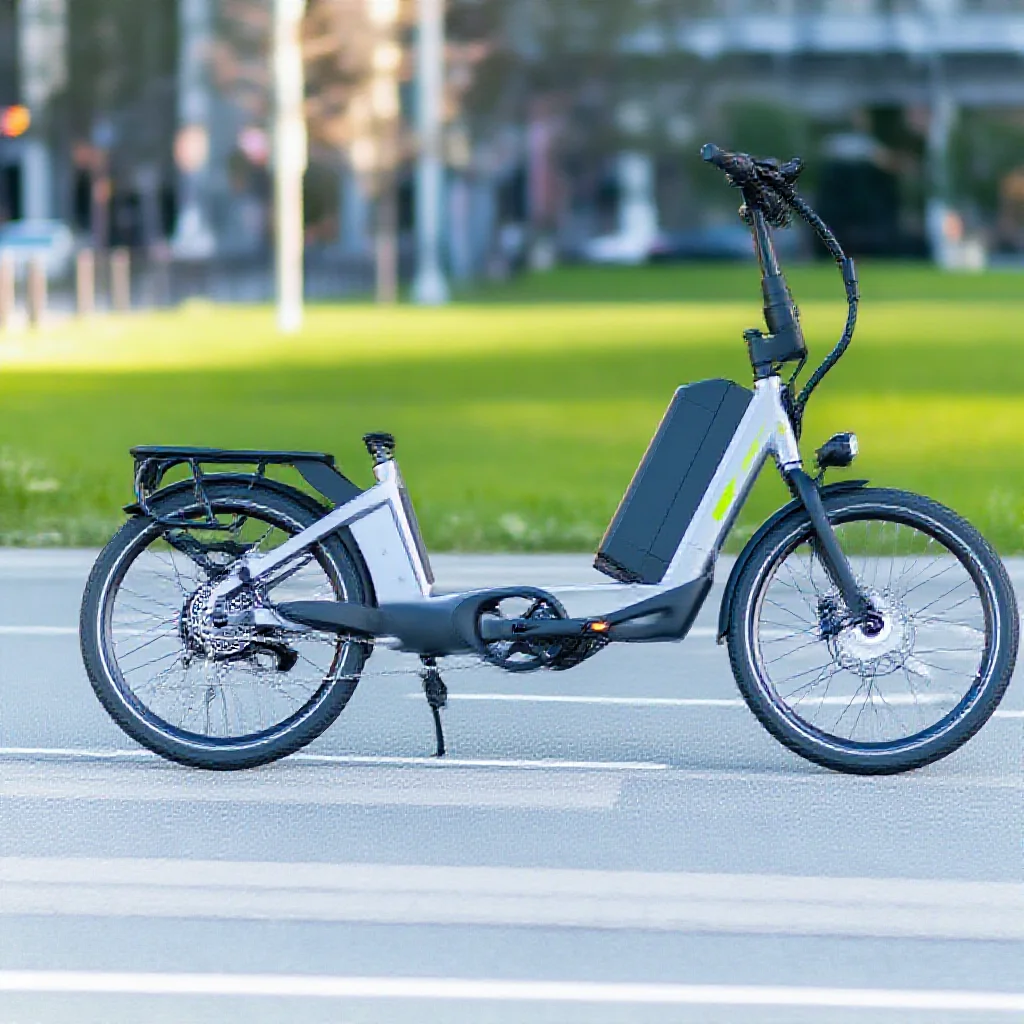
The GOTRAX Elo electric bicycle is positioned with a suggested retail price of $999 (Source 1: [Primary Data]). This price point establishes the product not as a recreational device but as a functional, low-maintenance transportation tool for urban environments. The core specifications—a 350W rear hub motor, a 36V 10.4Ah removable lithium-ion battery with a claimed 45-mile range, and a total weight of 55 lbs (Source 1: [Primary Data])—form the foundational argument for its utility. These specifications represent a calculated strategy to democratize access to electric-assist mobility and disrupt established entry-level market segments. The analysis that follows deconstructs this specification sheet to reveal the underlying market logic and supply chain efficiencies that enable its price.
Specs as Strategy: Decoding the GOTRAX Elo's Feature Set
The component selection of the GOTRAX Elo reflects deliberate trade-offs aimed at balancing performance, cost, and user accessibility.
**The 350W Motor & 36V Battery:** The 350W rear hub motor occupies a regulatory and economic sweet spot. It provides sufficient torque for urban inclines while typically adhering to Class 1 and 2 e-bike regulations in many jurisdictions, avoiding the higher costs and regulatory complexities of more powerful systems. Paired with a 36V 10.4Ah battery (Source 1: [Primary Data]), the claimed 45-mile range addresses the primary anxiety of potential commuters: range sufficiency for daily trips.
**The 7-Speed Shimano Drivetrain:** The inclusion of a 7-speed Shimano drivetrain is a strategic choice favoring reliability and cost-efficiency over innovation. By utilizing a trusted, mechanical component system from an established supplier like Shimano, GOTRAX leverages a mature global supply chain. This choice reduces production cost, simplifies maintenance for local bike shops, and provides user familiarity, aligning with the product's low-maintenance positioning.
**The Aluminum Step-Through Frame & 265 lb Payload:** The aluminum step-through frame design serves a clear demographic function. It lowers the barrier to mounting and dismounting, targeting a broader user base including casual riders, commuters in street clothes, and individuals with mobility considerations. A maximum payload capacity of 265 lbs (Source 1: [Primary Data]) further extends its addressable market. The 55 lb total weight, while not lightweight, is a functional compromise for the included components and price.
**The Inclusion of Rack & Fenders:** The integration of a rear rack and fenders is a significant product strategy signal. It positions the Elo as a "ready-to-commute" vehicle, eliminating the need for common, costly aftermarket additions. This completeness enhances the perceived value proposition directly out of the box.
The Hidden Economics: How GOTRAX Hits the $999 Price Point
The $999 price is enabled by a specific set of value engineering and business model decisions.
**Supply Chain Archaeology:** The Elo's bill of materials suggests a focus on commoditized, high-volume components. The standard aluminum frame, generic mechanical disc brakes, and the common 36V battery cell format are all widely available on global markets. This procurement strategy minimizes costs associated with proprietary tooling, custom fabrication, or premium-branded parts. The direct-to-consumer sales model likely employed further eliminates retail margin layers.
**The 'Good Enough' Philosophy:** A cross-validation of specifications against premium e-bikes priced above $2,000 reveals a philosophy of "good enough" core functionality. Perceived sacrifices are made in areas like premium suspension, high-torque mid-drive motors, integrated lighting systems, or advanced battery management software. The Elo's value proposition is rooted in delivering the essential transportation function—electric-assisted pedaling over a useful range with basic comfort and cargo utility—at a minimized cost.
**The Long-Term Business Model:** The economics likely depend on volume sales with thin margins on the hardware itself. The real profitability may be structured around economies of scale in procurement and assembly. Furthermore, the installed base of Elo bikes creates a potential aftermarket for proprietary accessories or replacement batteries, establishing a recurring revenue stream separate from the initial sale.
Market Disruption and the 'Slow Analysis' of Urban Mobility
The GOTRAX Elo is a data point within a larger, slower-moving trend in urban transportation economics. Its impact is not as a technological breakthrough but as an application of mass-market manufacturing and logistics to the micro-mobility sector.
**Pressure on Traditional Segments:** This price point exerts direct pressure on the lower tiers of the traditional bicycle industry, as well as on subscription-based shared micro-mobility services. For a cost comparable to a mid-tier acoustic bicycle or one to two years of scooter rentals, a consumer can own a personal electric vehicle.
**Defining the 'Value' Segment:** The Elo actively defines and expands the "value" segment of the e-bike market. It serves as a catalyst for consumers who were previously priced out of e-bike ownership, potentially accelerating adoption rates and normalizing e-bikes as standard urban transportation infrastructure.
**Future Trajectories:** The logical progression of this trend suggests continued component commoditization and price compression at the entry level. Competing brands will be forced to either match the price, differentiate on premium features and brand equity, or innovate in alternate business models such as leasing or mobility-as-a-service. The long-term industry effect is a stratification of the market into clear value, performance, and luxury tiers, with the value segment likely experiencing the most significant volume growth and competitive intensity.
The GOTRAX Elo, therefore, is less a singular product and more a manifestation of evolving supply chain capabilities and shifting consumer cost-benefit analyses in personal urban mobility.