Beyond the Expo: How Hawaii''s Sustainability Event Signals a Shift in Clean Energy Advocacy
The Hawaii Sustainability Expo, as covered by CleanTechnica in 2026, serves as a lens to examine a deeper, generational evolution in environmental activism. While the event itself is experience-based, its context reveals a critical pivot: the mobilization of older demographics, exemplified by Bill McKibben''s Third Act, to secure long-term policy wins. This analysis moves beyond reporting the event to uncover the strategic economic and social logic behind modern climate advocacy. It explores how leveraging the experience, voting power, and financial stability of Americans over sixty is becoming a calculated market and political force, aiming to lock in clean energy transitions that outlast electoral cycles and shape future investment landscapes.
Beyond the Expo: How Hawaii's Sustainability Event Signals a Shift in Clean Energy Advocacy
The Surface Event: Hawaii's Sustainability Expo as a Living Laboratory
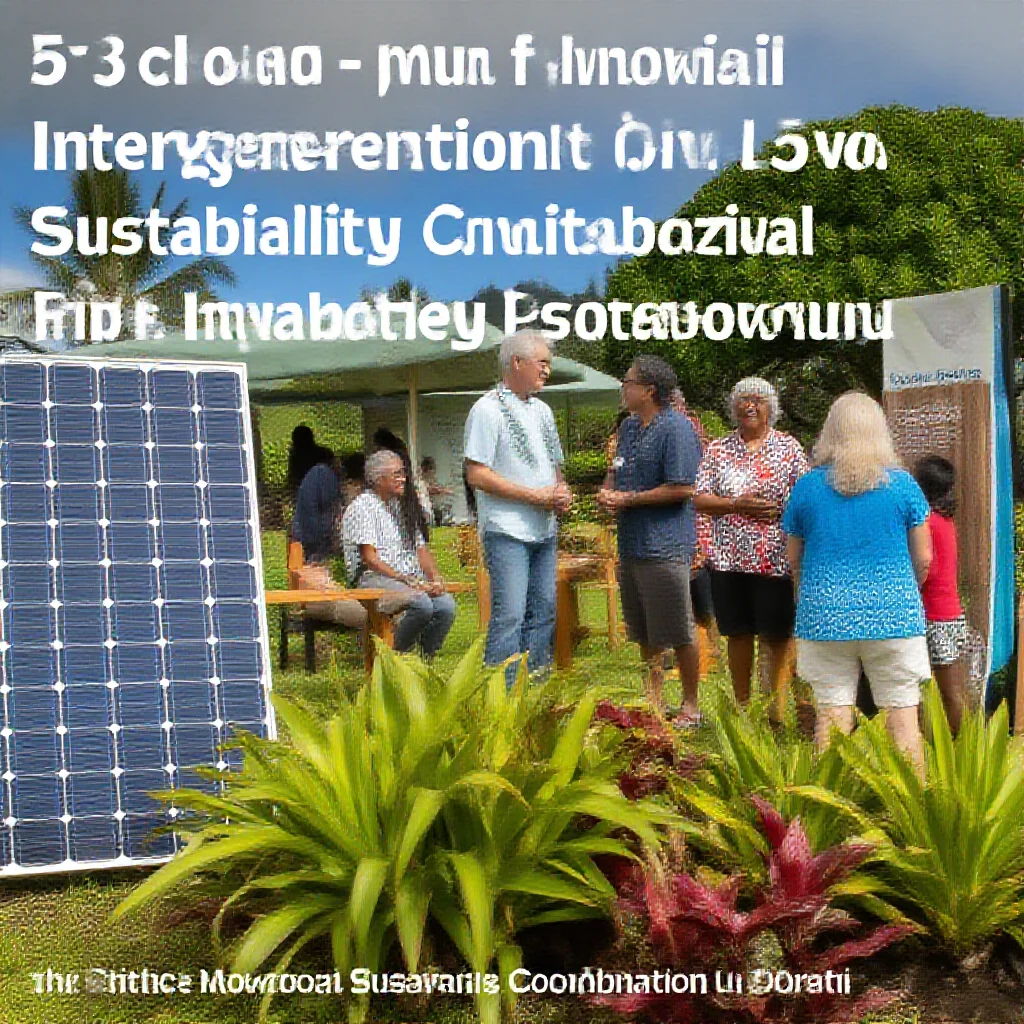
The Hawaii Sustainability Expo represents an experience-based model for public engagement with clean energy technologies and practices. An article detailing the event, originally published by Henry Curtis on Ililani Media and Life of the Land and republished by CleanTechnica in April 2026, provides a documented case study of this approach (Source 1: [Primary Data]). The expo functions as a microcosm of community-level adoption, moving beyond theoretical discussion to hands-on interaction with renewable energy systems, electric vehicles, and sustainable agriculture. This format is designed to translate abstract climate goals into tangible consumer and civic choices. The 2026 coverage positions the event not merely as a local festival but as an observable node in a broader network of climate action strategy, offering a real-time snapshot of public sentiment and educational methodology.
The Deeper Current: Bill McKibben's Pivot and the Economics of 'Third Act' Advocacy
The context surrounding the expo reveals a strategic evolution within environmental activism. Bill McKibben, after four decades of climate warnings and foundational work with 350.org, has co-founded Third Act, an organization focused on mobilizing Americans over the age of sixty for progressive change (Source 1: [Primary Data]). This represents a calculable shift in advocacy tactics. The demographic of Americans over sixty constitutes a bloc with significant voting consistency, substantial financial assets, and professional experience. The mobilization of this group is not solely a moral campaign but an economic and political strategy. It aims to deploy stability—in voting patterns, community standing, and financial planning horizons—to secure long-term policy commitments. The objective is to de-risk the clean energy transition for private capital by creating a predictable regulatory and incentive landscape that can survive short-term electoral cycles.
The Hidden Nexus: Experience-Based Events as Strategic Recruitment Hubs
Events like the Hawaii Sustainability Expo serve a dual function beyond public education. They act as strategic recruitment and conversion platforms. The experience-based model is effective at transforming passive concern into active, skilled advocacy by connecting individuals with concrete technologies. For the demographic targeted by Third Act, seeing and interacting with solar arrays, battery storage, and efficient appliances makes the energy transition tangible. This tangible connection provides a clear avenue for action, whether through political advocacy, personal investment, or community organizing. The localization of the source material is critical; analysis grounded in the observations of Henry Curtis and Life of the Land indicates this recruitment logic is being applied in specific community contexts, not merely theorized at a national level (Source 1: [Primary Data]). The expo becomes a hub where technological demonstration intersects with the mobilization of human capital possessing time, resources, and voting power.
Long-Term Impact: Locking in Policy and Reshaping Investment Confidence
The ultimate strategic goal of this evolved advocacy is to institutionalize clean energy policy and reshape investment confidence. Large-scale infrastructure investment, whether in grid modernization, renewable generation, or transportation electrification, requires a stable and predictable policy environment over decadal timelines. Advocacy driven by a politically and economically stable demographic bloc aims to provide that predictability. By securing legislative and regulatory "wins" that are difficult to reverse, such advocates work to lock in market signals for clean technology. This reduces perceived policy risk for investors and corporations, accelerating capital allocation toward sustainable infrastructure. The activity reported at the community expo level is, therefore, a component of a larger effort to alter the fundamental risk-return profile of clean energy investments on a national scale.
Conclusion: The New Advocacy Calculus and Market Implications
The analysis of the Hawaii Sustainability Expo through the lens of strategic mobilization indicates a maturation in clean energy advocacy. The movement is integrating demographic analysis and long-term political economy into its tactics. The calculated engagement of older Americans represents a pivot from raising general awareness to building durable, cross-generational coalitions capable of delivering sustained policy pressure. The market implication is a potential decrease in the volatility of clean energy policy, which historically has been subject to partisan shifts. A more stable policy trajectory lowers the cost of capital for long-term projects and provides clearer signals for corporate strategy and research and development investment. The expo, as documented, is one visible point in this broader, more systematic campaign to engineer a stable investment landscape for the energy transition.