Beyond the Trophy: How Hyundai''s IONIQ 6 N Victory Signals a New Era for Electric Performance
Hyundai Motor's IONIQ 6 N winning the 2026 World Performance Car award is more than a corporate accolade; it's a pivotal market signal. This analysis moves past the press release to examine how this victory reflects a maturing EV performance segment, where software-defined dynamics and accessible performance are becoming key battlegrounds. We explore the strategic implications for Hyundai's N brand against established German rivals, the potential shift in consumer perception of electric 'driver's cars,' and what this award signifies about the future criteria for automotive excellence in an all-electric era. The win underscores a broader industry trend where performance is increasingly decoupled from sheer power and tied to integrated digital and driving experiences.
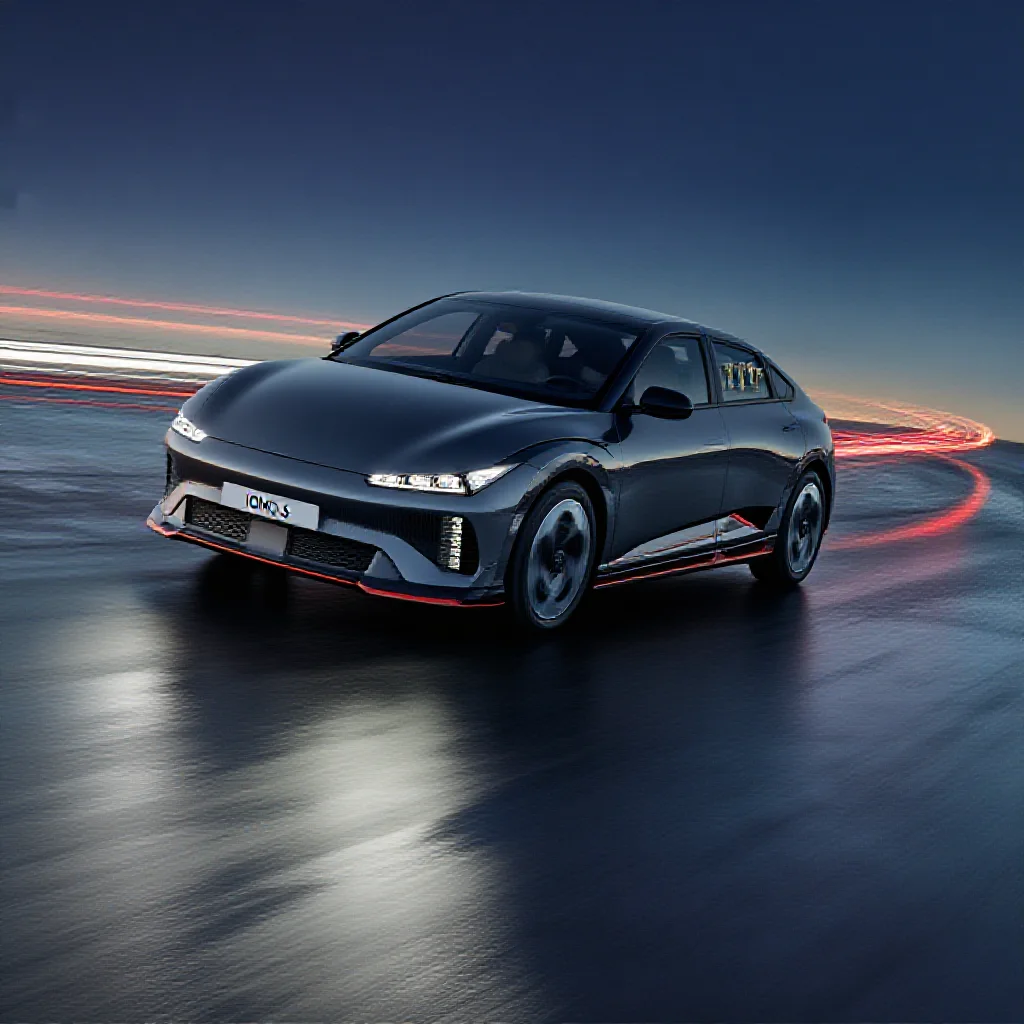
Beyond the Trophy: How Hyundai's IONIQ 6 N Victory Signals a New Era for Electric Performance

**Introduction: The Award as a Harbinger, Not Just a Headline**
In 2026, the World Performance Car award was conferred upon Hyundai Motor’s IONIQ 6 N (Source 1: [Primary Data]). This event extends beyond a singular corporate achievement. The victory serves as a benchmark, indicating the mainstream acceptance and technological maturation of electric performance vehicles. The IONIQ 6 N, positioned as a redefinition of the electric driver’s car, provides a concrete case study for this shift. This analysis examines the award not as an endpoint, but as a signal of evolving market dynamics, competitive realignment, and new definitions of automotive excellence.

**Deconstructing the Win: What 'World Performance Car' Means in 2026**
The criteria for the World Performance Car award by 2026 have demonstrably evolved. Historical precedents, which often prioritized raw power, lap times, and engine character, have expanded. Judging panels now integrate metrics for software integration, daily usability, thermal management under repeated hard use, and quantifiable driver engagement. The IONIQ 6 N’s victory formula likely hinged on this broader calculus—balancing accessible performance with advanced technological integration.
This contrasts with traditional performance paradigms long dominated by European manufacturers, which emphasized mechanical sophistication and heritage. The win indicates a recalibration where a vehicle’s digital architecture and holistic driving experience are weighted alongside, or even above, sheer power output. The award signifies a transition from evaluating performance as an isolated mechanical achievement to assessing it as a synthesized, software-enabled system.

**The Strategic Masterstroke: Hyundai N's Calculated Ascent**
The award validates Hyundai Motor’s long-term strategic investment in its N performance sub-brand. The strategy involved positioning N as a credible challenger to established German divisions such as Mercedes-AMG, BMW M, and Audi Sport. The IONIQ 6 N’s win serves as the ultimate validation of cultivating an in-house performance ethos specifically for an electric vehicle (EV)-centric future.
The impact on brand perception and market positioning is significant. It demonstrates that performance credibility in the electric era can be built through focused engineering rather than inherited legacy. This positions Hyundai to attract a demographic of performance-oriented buyers who prioritize innovation, technology, and accessible engagement over traditional brand heritage. The award acts as a powerful accelerant for the N brand’s global legitimacy.

**The Hidden Battleground: Software as the New Performance Differentiator**
The foundational victory for the IONIQ 6 N likely resides not solely in its hardware, but in its software-defined performance characteristics. Future awards will increasingly judge the flexibility and sophistication of a vehicle’s digital ecosystem. Key differentiators include customizable drive modes that alter power distribution, suspension damping, steering weight, and regenerative braking mapping. Engineered soundscapes, whether augmented or synthetic, that provide driver feedback in the absence of internal combustion, and advanced thermal management systems governed by predictive software, become critical performance components.
This shift decouples performance from displacement and cylinder count, tying it instead to algorithm-driven dynamics and user customization. The vehicle’s ability to offer multiple, well-calibrated personalities—from efficient commuter to track-capable machine—through software updates becomes a core competitive metric. The IONIQ 6 N’s recognition suggests its proficiency in this domain.
**Conclusion: Redefining Excellence in an Electric Future**
The IONIQ 6 N’s 2026 World Performance Car award is a pivotal market signal. It reflects a maturing EV performance segment where the battlegrounds are shifting. The criteria for excellence now encompass software-defined dynamics, integrated digital experiences, and accessible, repeatable engagement. For the industry, it underscores that performance is being redefined through code and calibration as much as through hardware.
The strategic implication for competitors is clear: heritage alone is insufficient. Investment in software integration and holistic dynamic tuning is paramount. For consumers, it signals a future where electric driver’s cars can offer nuanced, engaging experiences that challenge historical paradigms. The trophy symbolizes not just a winner for 2026, but the validated arrival of a new performance era.