Beyond the Ballot: How SRP''s 2026 Clean Energy Board Shift Signals a New Era for Arizona''s Power Grid
The April 7, 2026, election for the Salt River Project (SRP) board, where clean-energy-focused candidates secured a majority, represents far more than a routine governance change. This analysis explores the profound shift in Arizona's largest public power utility, serving the Phoenix metro area. We examine the underlying economic logic driving this transition—from consumer-owner pressure and the falling cost of renewables to the strategic need for grid modernization. The article investigates the long-term implications for SRP's energy portfolio, potential impacts on regional electricity rates and infrastructure investment, and the emerging pattern of grassroots, customer-led transformation in traditionally conservative utility sectors. This event marks a pivotal point in the state's journey toward a decarbonized future.
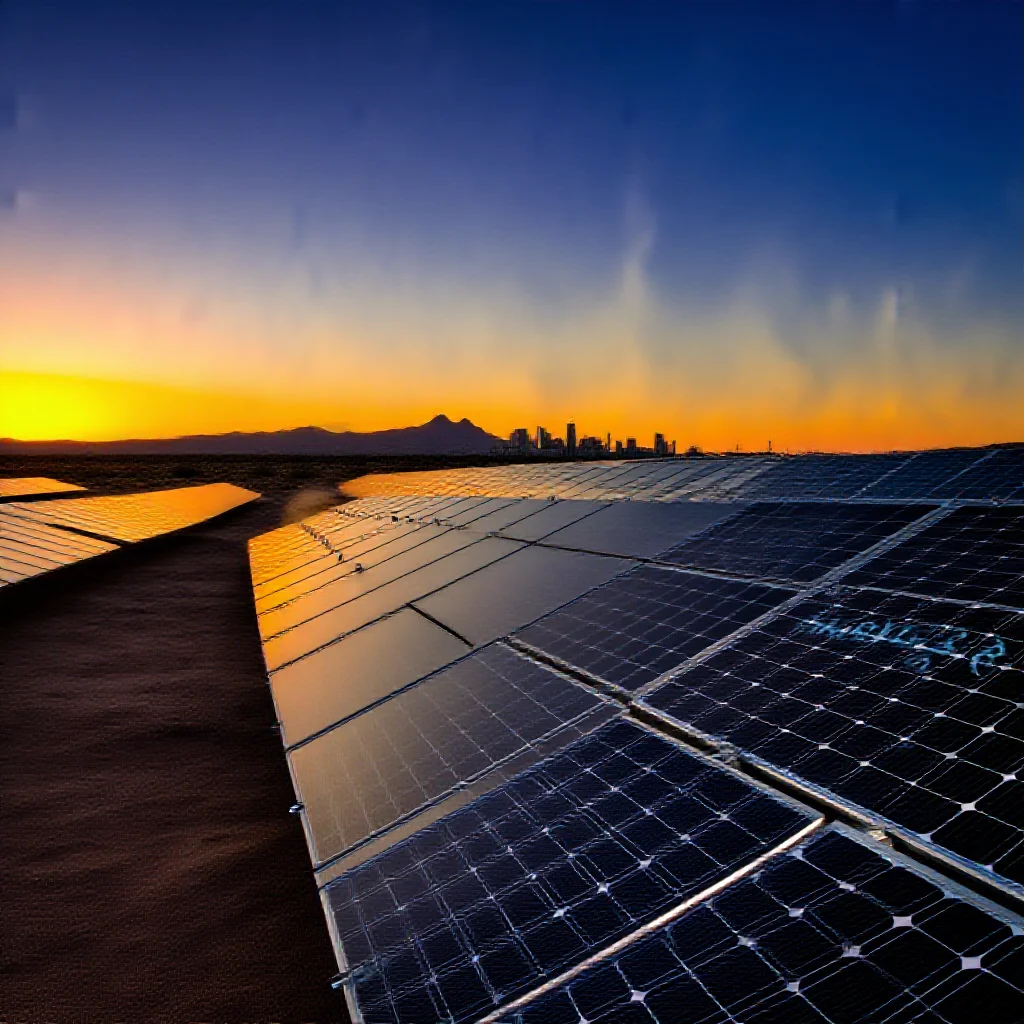
Beyond the Ballot: How SRP's 2026 Clean Energy Board Shift Signals a New Era for Arizona's Power Grid

**The Tipping Point: Decoding the SRP 2026 Election Outcome**
On April 7, 2026, a definitive shift occurred in the governance of one of the American Southwest’s most critical power providers. In the election for the board of the Salt River Project (SRP), candidates with stated platforms prioritizing clean energy and grid modernization secured a majority of seats. (Source 1: [Primary Data]) This outcome represents a structural change in the leadership of SRP, a customer-owned public utility that provides power and water to the majority of the Phoenix metropolitan area.
The event is distinct from policy speculation or corporate announcements; it is a verified outcome of a public election process. The SRP board comprises 14 members elected directly by the utility’s customer-owners, a governance model that directly links voter sentiment to strategic direction. The April 2026 results transitioned the board’s balance of power toward a bloc advocating for accelerated decarbonization and renewable integration.

**The Hidden Economic Logic: Why Customer-Owners Voted for Change**
The electoral shift is not primarily an ideological phenomenon but a reflection of converging economic and operational pressures. Analysis indicates three core financial drivers behind the customer-owner vote.
First, the declining levelized cost of energy for solar and wind generation has transformed them from subsidized alternatives to economically prudent baseload investments. Second, the rising tangible costs associated with grid resilience—driven by extreme heat events and regional drought—have made distributed energy resources and modernized infrastructure a reliability imperative. Third, direct consumer experience, particularly the demand for seamless rooftop solar integration and electric vehicle charging, created immediate pressure on the utility’s legacy business model.
SRP’s unique status as a customer-owned entity provided the mechanism for this pressure to manifest directly at the board level. Unlike investor-owned utilities, where profit returns to shareholders, SRP’s mandate is directly tied to its consumer-owners. This election demonstrates that model’s capacity for rapid strategic redirection when economic signals and customer demands align, mirroring a broader national trend of ratepayer advocacy influencing utility capital planning.

**From Governance to Grid: The Unseen Ripple Effects**
The transition of board governance will initiate a series of tangible, long-term effects on Arizona’s power grid. The most immediate point of analysis is SRP’s existing portfolio of power purchase agreements and generation assets. Board oversight will likely influence the retirement schedules for coal and gas-fired plants, the terms of future power procurements, and the scale of investment in battery energy storage systems.
Supply chain implications for the Southwest region are significant. A sustained commitment from a utility of SRP’s scale will increase demand for solar photovoltaic hardware, grid-scale storage, and advanced grid management technology. This creates a positive feedback loop, potentially lowering regional costs through economies of scale.
Furthermore, this shift exerts competitive and policy pressure on other utilities within Arizona. SRP’s transition may accelerate similar strategic reviews among peers, influencing the state’s overall generation mix and potentially reshaping legislative and regulatory discussions concerning energy policy and carbon reduction targets.

**A Blueprint for Change? The National Significance of a Local Election**
The 2026 SRP board election serves as a consequential case study for the national energy transition. It validates the consumer-owned utility model as a potentially agile vehicle for decarbonization when economic conditions mature. This event finds precedent in similar grassroots-driven shifts in other public power districts across the United States, suggesting a verifiable pattern of local governance responding to hyper-localized climate and economic risks.
The future outlook, however, is defined by complex trade-offs. The new board majority will be measured against a trilemma: maintaining grid reliability amid increasing climate volatility, managing the rate impact of significant new infrastructure investment, and executing a swift transition of the generation portfolio. The performance of SRP in balancing these objectives will be closely monitored as a practical test of consumer-led utility transformation in a growing, climate-vulnerable region.

The April 2026 election has recalibrated the strategic trajectory of Arizona’s largest public power utility. The subsequent implementation of that mandate will determine whether this local governance shift becomes a replicable blueprint for the modernization of America’s power grid.