Beyond the Headlines: The Strategic Economic and Infrastructure Logic Behind Puerto Vallarta''s Electric Bus Launch
The April 2026 launch of electric buses in Puerto Vallarta is more than a simple fleet upgrade; it's a strategic pivot with profound economic and operational implications. This analysis moves past the press release to examine the initiative as a calculated investment in long-term cost control, energy sovereignty, and tourism market positioning. We explore the hidden calculus of transitioning from volatile fuel budgets to predictable electricity costs, the potential strain on local power grids, and the unspoken challenge of creating a sustainable maintenance and supply chain in a region new to this technology. This shift represents a fundamental re-engineering of the city's public mobility economics.
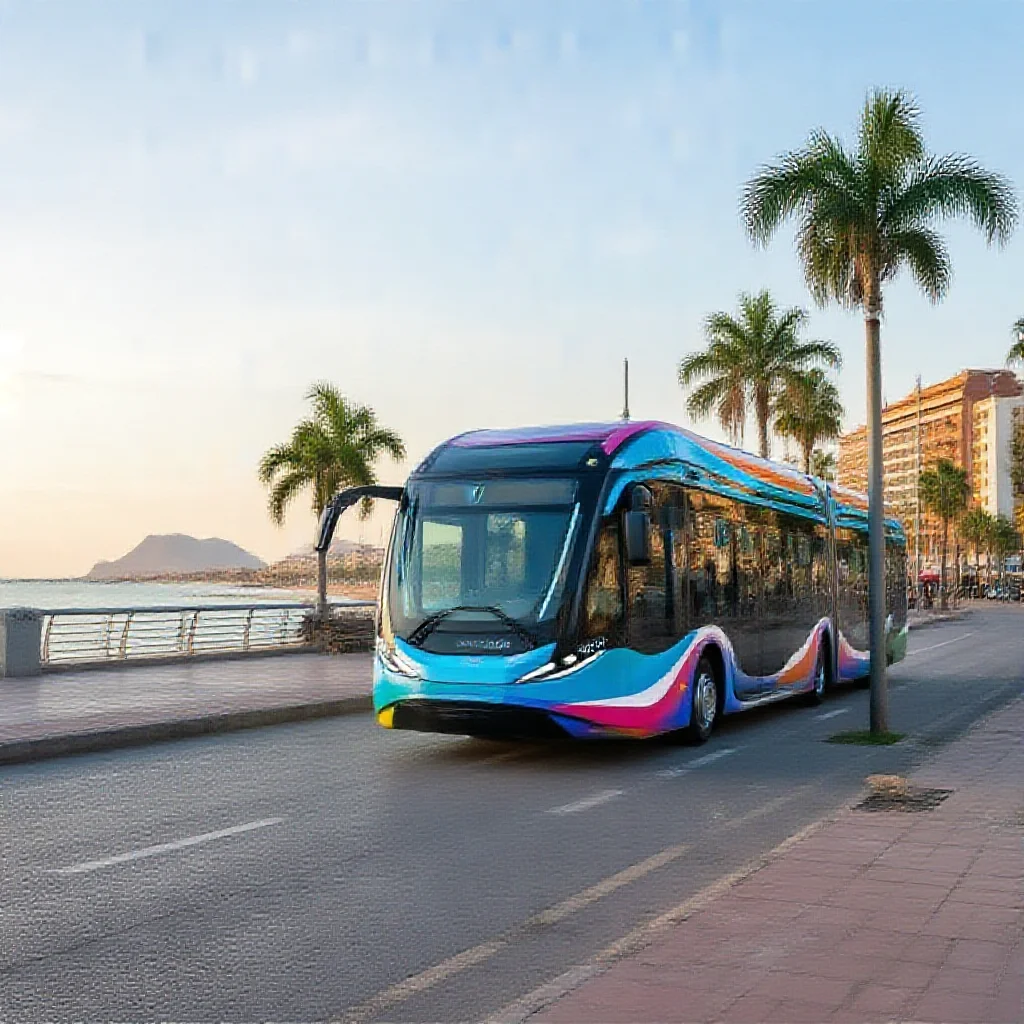
Beyond the Headlines: The Strategic Economic and Infrastructure Logic Behind Puerto Vallarta's Electric Bus Launch

**Introduction: More Than a Green Symbol – A Fiscal and Operational Strategy**
The commencement of electric bus operations in Puerto Vallarta on April 8, 2026, represents a tangible milestone in municipal transport modernization. (Source 1: [Primary Data]) While environmental benefits are a component, the initiative’s core function is a strategic infrastructure business decision. The transition from internal combustion engines to electric propulsion is a calculated pivot aimed at locking in long-term operational expenditure and re-engineering the economic model of public mobility. Concurrently, it serves to reposition Puerto Vallarta’s tourism brand, integrating sustainability as a component of modern destination infrastructure rather than merely a symbolic gesture.

**The Hidden Economic Calculus: From Volatile Fuel Budgets to Predictable Kilowatt-Hours**
The primary strategic impetus is economic insulation. Municipal transport budgets historically correlate directly with global hydrocarbon price volatility. The shift to electric powertrains transitions a significant variable cost—diesel fuel—into a more predictable and domestically sourced expense: electricity. The long-term Total Cost of Ownership (TCO) analysis, which factors in lower maintenance requirements for electric motors and regenerative braking systems against higher upfront capital outlay, likely formed the foundational business case for the modernization plan. (Source 1: [Primary Data]) A further strategic layer involves the potential for incremental integration of localized renewable energy generation, such as solar canopies over bus depots. This move would advance the initiative from cost predictability toward enhanced economic resilience and partial energy sovereignty, decoupling operational continuity from broader energy market disruptions.

**The Infrastructure Stress Test: Grid Capacity and the 'Hidden' Power Upgrade**
The deployment of a fleet of electric buses is not an isolated event but a new, significant load on the local electrical grid. The operational launch is the visible endpoint of a necessary, though less publicized, prerequisite: grid reinforcement or the implementation of smart energy management systems. The success of the program depends on whether charging infrastructure at the depot is supported by upstream investments in substation capacity or the deployment of renewable micro-grids. A critical operational risk analysis must address the alignment of bus charging cycles, particularly during peak tourism seasons, with existing regional peak electricity demand. Mitigation strategies will logically include optimized overnight charging schedules and the potential deployment of stationary battery storage systems at depots to act as buffers, drawing power during off-peak hours for use during daily operations.

**Beyond the Vehicles: The Unbuilt Supply Chain for Maintenance and Skills**
The procurement of buses addresses only the initial phase of the lifecycle. The sustained operational viability of the fleet necessitates the concurrent development of a local technical ecosystem, a challenge often underrepresented in fleet launch announcements. This includes establishing certified capacity for high-voltage system maintenance, battery pack repair and diagnostics, and eventual end-of-life battery recycling protocols. The initiative creates demand for a new technical skills taxonomy—electric vehicle mechanics, high-voltage safety specialists, and charging infrastructure technicians—requiring coordinated development between the municipal operator, vocational training institutions, and OEM service partners. The absence of this localized support chain introduces a long-term operational dependency on external technical service providers, potentially negating some of the projected economic benefits.
**Conclusion: A Prototype for Mid-Sized Tourist Urban Centers**
The Puerto Vallarta electric bus launch functions as a prototype for mid-sized cities reliant on tourism and seeking to modernize core services. Its strategic value will be determined not by the deployment date, but by the subsequent two to three years of operational data. Key performance indicators will include realized cost savings versus the TCO model, reliability metrics in high-humidity coastal conditions, and the effectiveness of the implemented grid management strategy. A successful outcome will provide a replicable framework, demonstrating that the transition to electric public transit is fundamentally a long-term fiscal and infrastructure planning exercise, with environmental benefits as a consequential output. The initiative’s ultimate impact will be measured by its ability to create a more predictable, resilient, and economically sustainable model for urban mobility.