Beyond the €240M: Decoding EDF''s Strategic Bet on Electrified Heat and Transport
EDF''s €240 million pledge for heat pumps and electric trucks is more than a simple subsidy; it''s a strategic pivot to secure its future in a decarbonizing energy market. This analysis uncovers the dual logic behind the investment: defending its core electricity demand against gas competition in heating, while proactively cultivating a new, massive load segment in commercial transport. We explore how this move positions EDF not just as an energy supplier, but as a system integrator for the electrified economy, analyzing the long-term implications for supply chains, grid dynamics, and the competitive landscape of European utilities.
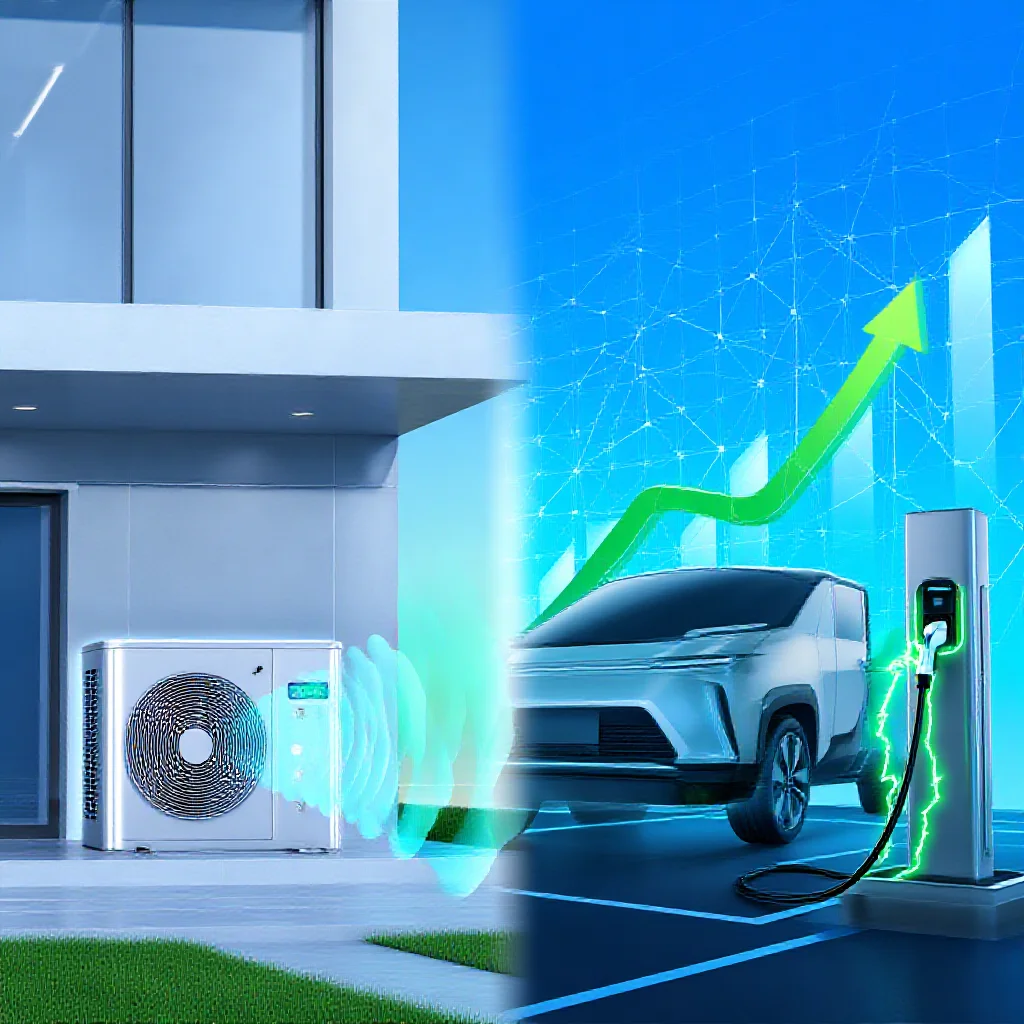
Beyond the €240M: Decoding EDF's Strategic Bet on Electrified Heat and Transport
The Surface Pledge: EDF's €240 Million for Electrification
EDF has formally pledged €240 million in support for the adoption of heat pumps and electric trucks. (Source 1: [Primary Data]) The announcement positions the French state-owned utility as an active participant in the European Union's broader decarbonization agenda, specifically aligning with the Fit for 55 package and the REPowerEU plan's objectives to phase out fossil fuel dependence. The precise mechanism of the "support" remains strategically ambiguous, with potential applications ranging from customer grants and favorable financing to equity stakes in deployment companies or infrastructure partnerships. This ambiguity allows EDF flexibility in tailoring interventions across different markets and value chain segments. Initial industry analysis frames the commitment as a significant, yet not unprecedented, move by a major utility to influence the pace of the energy transition in two critical sectors.

The Hidden Economic Logic: Defending Demand and Creating New Load
The investment is driven by a dual-pronged economic logic essential for EDF's future revenue stability. First, it constitutes a defensive market play. Residential and commercial heating represents a vast energy consumption sector currently dominated by natural gas. Heat pumps directly convert this thermal demand into electrical demand. By accelerating their adoption, EDF actively defends and expands its core market—electricity sales—against incursion from gas distributors. This secures load for its existing generation assets.
Second, the move is an offensive strategy to cultivate a new, massive source of bulk electricity consumption. The commercial transport sector, particularly medium- and heavy-duty trucking, is poised for electrification. This represents a potential frontier for gigawatt-scale, predictable load growth. For a utility with a large-scale generation fleet, including a significant nuclear baseload, cultivating such demand is a strategic hedge against the dual pressures of energy efficiency gains and decentralized renewable generation, which can suppress or destabilize wholesale power prices. The return on investment is calculated not as a short-term subsidy loss but as a long-term investment in guaranteed load growth and improved asset utilization.

From Supplier to System Integrator: EDF's Evolving Business Model
This pledge signals a continued evolution in EDF's business model from a commodity electricity supplier to a comprehensive system integrator for an electrified economy. The strategy extends beyond selling kilowatt-hours to providing integrated solutions: financing for capital-intensive equipment like heat pumps and charging infrastructure, installation services, and sophisticated energy management. This includes potential offerings like managed charging, vehicle-to-grid (V2G) services, and heat pump grid flexibility programs.
EDF's unique generation portfolio becomes a marketable asset in this transition. The company can bundle its electricity with guarantees of low-carbon, reliable baseload power—leveraging its nuclear fleet—or with specific renewable energy certificates, marketing "green electrons" for green technologies. This integrated approach is a preemptive competitive maneuver. It aims to secure EDF's position in the value chain before oil majors transitioning into electricity or agile new energy service companies capture the customer relationship and the associated data and flexibility revenues.

Deep Dive: The Long-Term Ripple Effects on the Supply Chain
A commitment of this scale from a market incumbent sends a powerful demand signal to manufacturers. For European heat pump and electric truck producers, utility-backed offtake or financing programs can de-risk investment in scaling production capacity, potentially lowering unit costs through economies of scale. However, the success of this demand-pull strategy is contingent on parallel developments in the supply chain.
The critical question is whether EDF's strategy includes upstream engagement to alleviate bottlenecks in components, semiconductors, and critical minerals essential for both technologies, or if it is focused solely on downstream deployment. Furthermore, the widespread adoption of these technologies introduces a silent, critical partner: grid infrastructure. The concurrent need for massive grid reinforcement—from distribution networks to handle clustered electric truck charging to transmission upgrades—represents a significant, often understated, capital requirement. EDF's role may increasingly involve coordinating with grid operators (including its own subsidiaries) to ensure that new electrical load drives grid modernization rather than congestion.
Neutral Market Prognosis: Implications for the European Utility Landscape
The long-term implications of this strategic pivot will unfold across several dimensions. For the competitive landscape, EDF's move increases pressure on other integrated European utilities to announce similar comprehensive electrification strategies or risk ceding future load and customer touchpoints. A wave of utility-led electrification funds could emerge.
Regarding grid dynamics, the accelerated, utility-sponsored adoption of heat pumps and electric trucks will intensify the need for digital grid management and investment in resilience. It will also create a larger pool of distributed flexible resources (thermal storage in buildings, battery capacity in vehicles) that utilities or third parties can aggregate for grid services.
Finally, the success of this model hinges on regulatory alignment. Supportive policy frameworks that allow utilities to earn a regulated return on capital invested in customer-side electrification infrastructure—similar to traditional grid investments—will be crucial. The €240 million pledge is, therefore, both a financial commitment and a strategic gambit designed to position EDF at the nexus of the electrified demand that will define the next era of energy markets.