Ethiopia''s EV Revolution: How Tax Cuts Fueled a 370% Surge in Charging
Ethiopia is experiencing a dramatic surge in electric vehicle adoption, driven by aggressive government policy rather than gradual market forces. Public EV charging sessions exploded by 370% from 2024 to 2025, with energy dispensed rising 300%. This analysis reveals the core driver: a sweeping fiscal overhaul that removed VAT, surtax, and crippling excise taxes (up to 400% on ICE vehicles) for EVs, while also eliminating all import duties on both vehicles and charging equipment. The article explores how this policy-led shock therapy is reshaping Ethiopia''s automotive landscape, its strategic implications for energy independence, and the critical infrastructure challenges that must follow this initial demand surge.
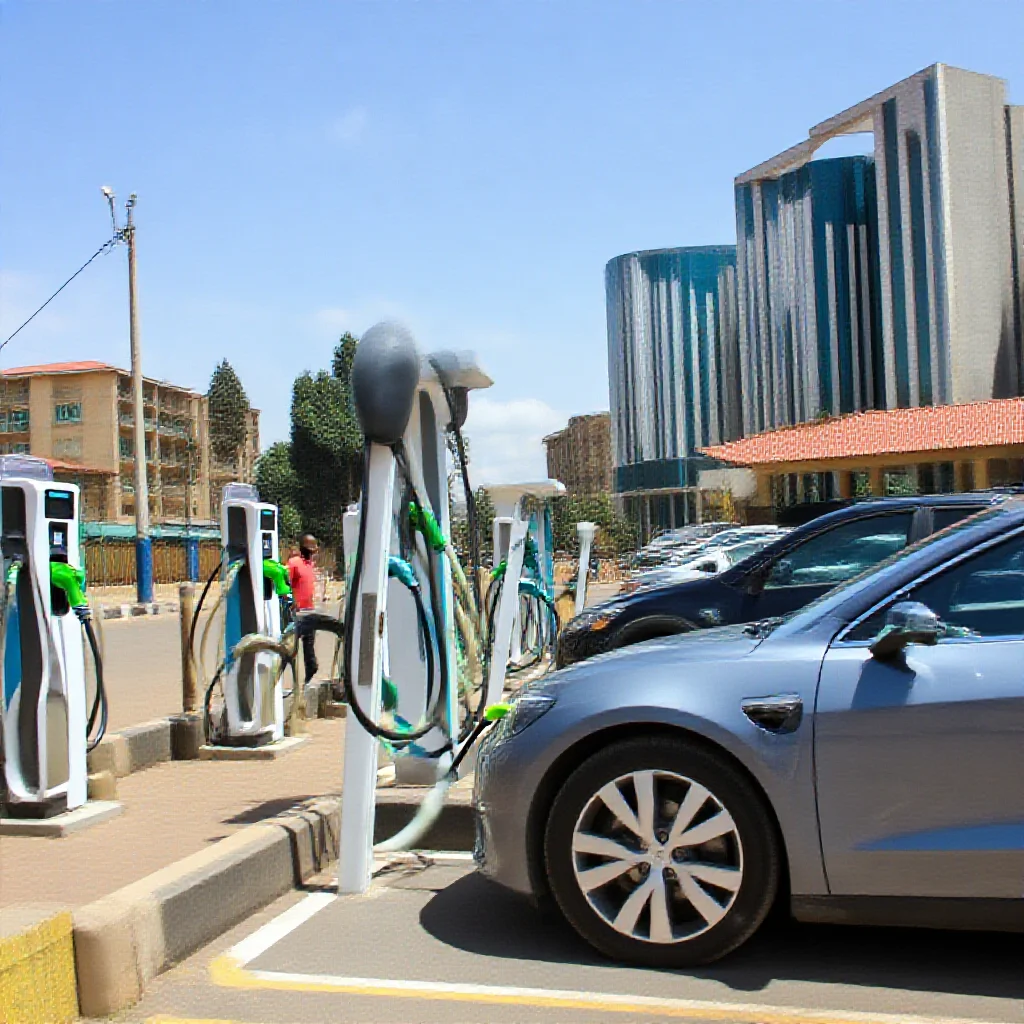
Ethiopia's EV Revolution: How Tax Cuts Fueled a 370% Surge in Charging
Introduction: The Statistical Surge – More Than Just Numbers
Public electric vehicle charging sessions in Ethiopia grew by 370% from 2024 to 2025. Concurrently, the total energy dispensed by these public chargers increased by 300% over the same period (Source 1: [Primary Data]). These figures represent a market inflection point of exceptional magnitude. Such growth trajectories typically indicate a fundamental shift in market dynamics, not gradual organic adoption. The core thesis is that Ethiopia's electric vehicle boom is a direct, measurable outcome of deliberate and aggressive fiscal engineering by the state.
Deconstructing the Policy Shock: A Fiscal Blueprint for Adoption
The growth metrics are a proximate effect of a comprehensive fiscal overhaul. The government's policy operates on two primary fronts: vehicle acquisition and infrastructure deployment.
For vehicle buyers, the policy creates a stark cost differential. Fully electric vehicles are exempted from value-added tax, surtax, and excise tax. This is contrasted against internal combustion engine vehicles, which remain subject to excise taxes ranging from 100% to 400%, based on engine size (Source 2: [Policy Data]). This excise tax disparity alone redefines the total cost of ownership calculus.
For infrastructure development, the government has removed all taxes and duties on the import of charging equipment (Source 3: [Policy Data]). This reduces capital expenditure barriers for charging network operators.
Strategic nuance is evident in import rules. The policy allows the duty-free import of electric vehicles up to one year from their manufacturing date. For public transport vehicles, this window extends to three years (Source 4: [Policy Data]). This differentiation targets high-utilization sectors, aiming for maximum impact on fuel displacement and urban air quality per fiscal concession granted.
Beyond the Purchase: The Infrastructure and Energy Implications
The 300% increase in total energy dispensed is a critical secondary indicator. It signifies not only more charging events but also higher energy consumption per session, suggesting a growing fleet of operational vehicles with substantial daily mileage. The policy's success in stimulating demand is therefore validated by utilization data.
This demand surge transfers systemic pressure from the automotive sector to the energy and urban planning sectors. The immediate analytical question concerns grid capacity and charging network density. The accelerated adoption curve risks outpacing the development of supporting infrastructure. The sustainability of the growth trajectory now depends on the capacity of the national power utility, Ethiopian Electric Power, to manage increased load and on municipal authorities to facilitate rapid charger deployment. The policy has effectively created a follow-on challenge for public and private infrastructure investment.
Strategic Calculus: Why Ethiopia is Betting Big on EVs Now
The policy is not an isolated automotive industry stimulus. It is logically deducible as a component of broader macroeconomic strategy. Ethiopia faces significant foreign exchange expenditure on fossil fuel imports. A rapid transition to electric mobility, powered predominantly by the country's substantial hydroelectric resources, presents a pathway to reduce this import bill and improve the trade balance.
The approach contrasts with the gradual incentive structures common in developed markets. It can be framed as a "leapfrog" strategy, bypassing the entrenched development of an internal combustion engine automotive ecosystem. The long-term supply chain implications are significant. The import rules may catalyze a specialized market for late-model used electric vehicles. Furthermore, if adoption continues, it could provide a foundational case for developing transnational charging corridors within East Africa, positioning Ethiopia as an early regional hub for electric mobility.
Conclusion: A Controlled Experiment in Market Transformation
The Ethiopian case provides a clear model of policy-led market transformation. The causal chain is demonstrable: sweeping fiscal exemptions directly precipitated a 370% increase in public charging activity. The initial phase of demand stimulation must now be met with a commensurate focus on grid resilience, network expansion, and secondary market development. The ultimate measure of the policy's success will be whether infrastructure investment can match the pace set by fiscal policy, thereby converting a demand spike into a stable, sustainable transport ecosystem. The experiment offers a distinct template for other markets considering aggressive intervention to alter transportation energy consumption.