ev charging infrastructure

Articles tagged “ev charging infrastructure

9 articles found

Electric Mobility Trends 2025: How 3,018 Startups Are Reshaping the Grid, Logistics, and Urban Streets
E Mobility

Electric Mobility Trends 2025: How 3,018 Startups Are Reshaping the Grid, Logistics, and Urban Streets

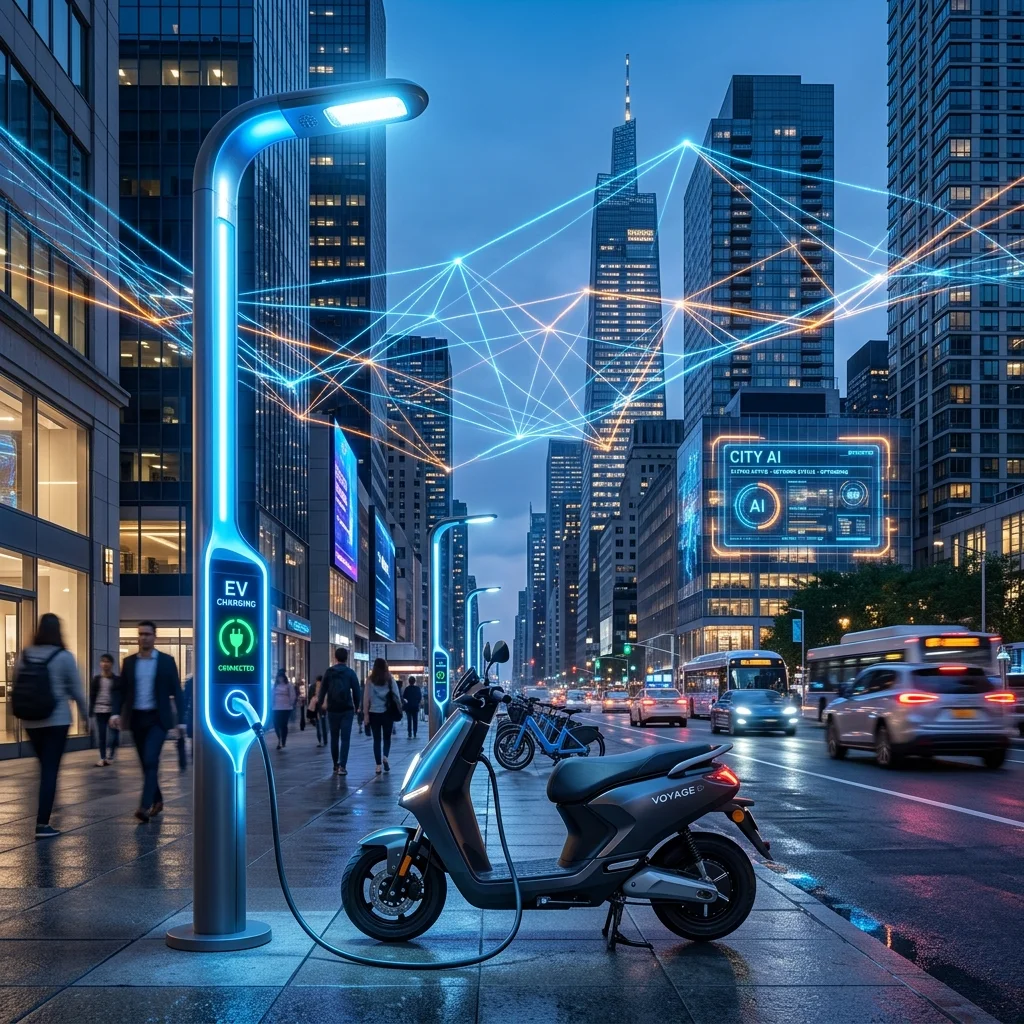
Based on an analysis of 3,018 electric mobility startups and scaleups, StartUs Insights has mapped eight transformative trends for 2025—from V2X integration and AI-driven fleet management to 3D-printed components. Western Europe leads in startup density, followed by India. This article dives beyond the headline numbers: it reveals the hidden supply-chain implications of modular charging infrastructure (e.g., lamp post converters), the economic logic of mobility-as-a-service bundling, and how big data is silently rewriting battery second-life strategy. We verify each trend with concrete startup examples—Voltpost, EVIO, GO Sharing, and Alt-Mobility—to show how decentralized, software-defined hardware is quietly displacing centralized grid models.

Circle K’s Fast-Charger Blitz: The Hidden Economics of Fueling the EV Mainstream
The Insight

Circle K’s Fast-Charger Blitz: The Hidden Economics of Fueling the EV Mainstream

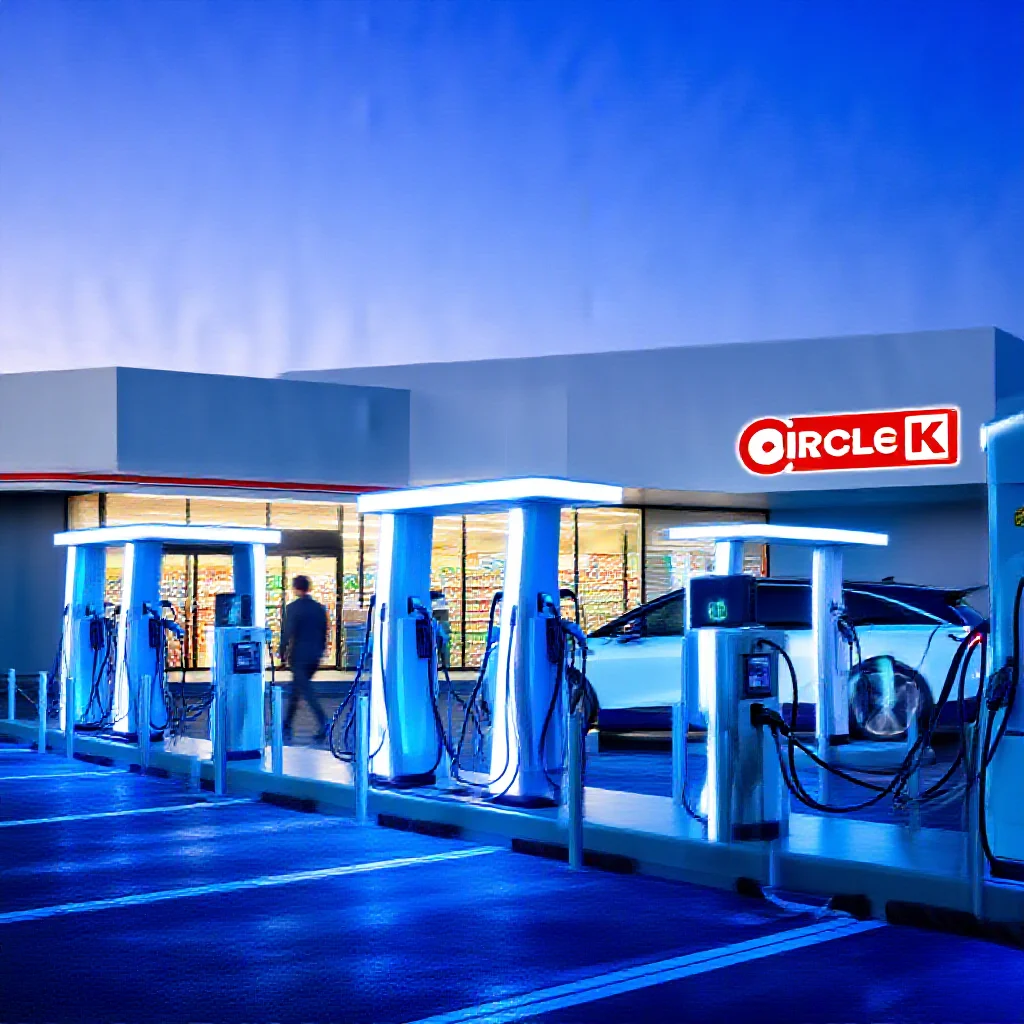
When Circle K announces hundreds of new fast chargers at its convenience stores, the story is not just about more plugs. It signals a fundamental shift in how retail fuel infrastructure is financed, sited, and monetized. This analysis digs into the hidden economic logic behind the rollout: why convenience-store chains are becoming the dark horses of DC fast charging, how real estate and grid connection costs shape site selection, and what this means for the broader EV supply chain—from charger manufacturers to utility grid planners. Based on the April 2026 announcement, we examine whether Circle K’s move is a defensive play against declining gas sales or an offensive bet on high-margin retail EV charging. The article also explores the tension between “fast analysis”—verifying the speed of deployment—and “slow analysis”—auditing the long-term viability of convenience-store charging business models versus dedicated charging plazas.

Beyond the Range Anxiety: How an Electric RV Trip to Oatman, Arizona Signals a New Era for Off-Grid Tourism
The Insight

Beyond the Range Anxiety: How an Electric RV Trip to Oatman, Arizona Signals a New Era for Off-Grid Tourism

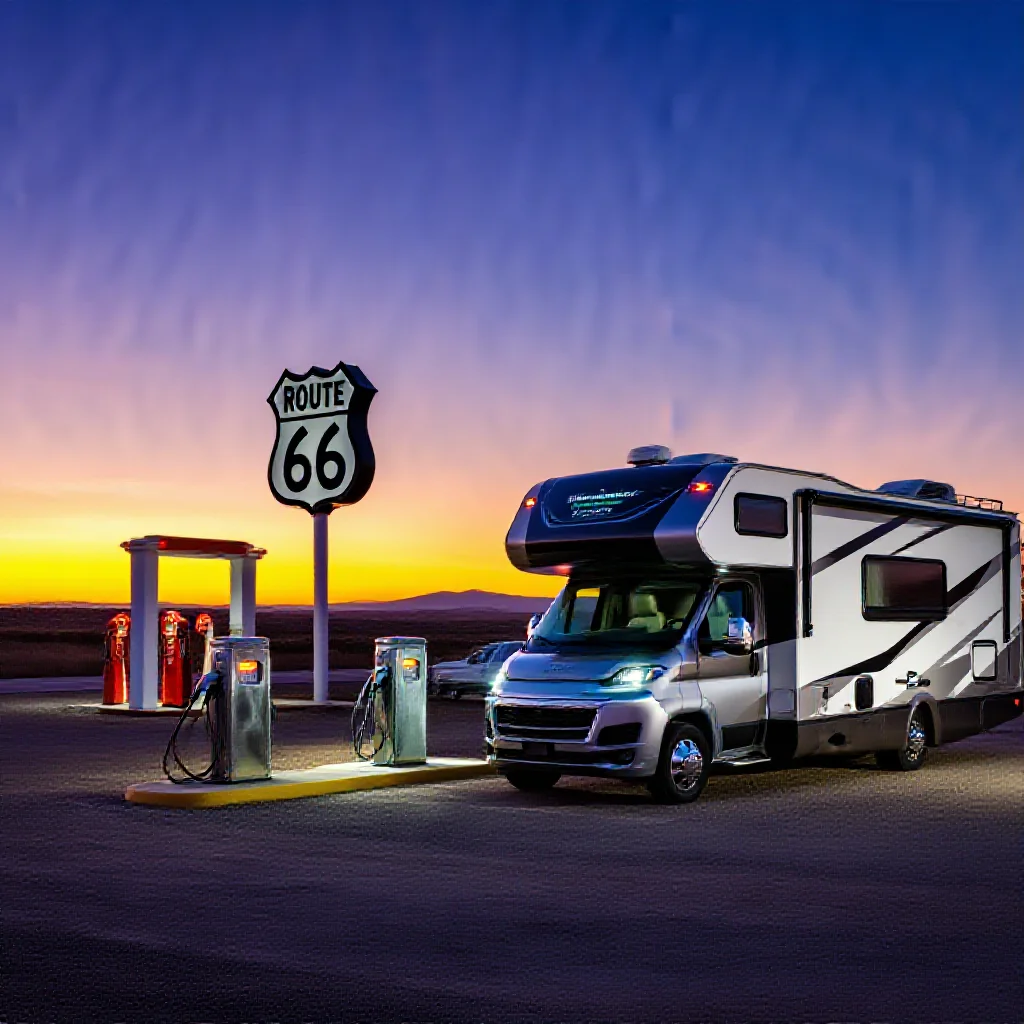
A recent journey by electric RV to the historic ghost town of Oatman, Arizona, and the rugged Arizona Sidewinder route is more than a travelogue. It represents a critical stress test for the nascent EV charging infrastructure in remote, off-grid locations. This analysis explores the trip's implications for the future of adventure tourism, the evolving economics of destination charging, and the hidden challenges of scaling electric mobility beyond urban corridors. We examine the strategic necessity of building charging networks in tourist destinations like Oatman, not just along interstates, and what this means for local economies, energy grids, and the next generation of RV manufacturing.

Beyond the Range Anxiety: The eRV2 on Route 66 and the Real Economics of Electric RV Travel
The Insight

Beyond the Range Anxiety: The eRV2 on Route 66 and the Real Economics of Electric RV Travel

A planned all-electric RV journey from Chicago to Santa Monica in a 2024 Winnebago eRV2 is more than a road trip; it's a real-world stress test for a nascent industry. This analysis moves beyond simple range anxiety to examine the underlying economic and infrastructural calculus of electric RV travel. By dissecting the author's preparation—including home charger installation, meticulous route planning with PlugShare and ABRP, and energy consumption calculations of 1.1 miles/kWh—we uncover the operational realities, hidden costs, and strategic planning required. This case study reveals whether current technology and infrastructure can support the dream of emission-free, long-haul recreational travel, and what it means for the future market.

Beyond the Meal: How BYD and KFC''s 2026 Charging Deal Redefines Retail''s Role in the EV Ecosystem
The Insight

Beyond the Meal: How BYD and KFC''s 2026 Charging Deal Redefines Retail''s Role in the EV Ecosystem

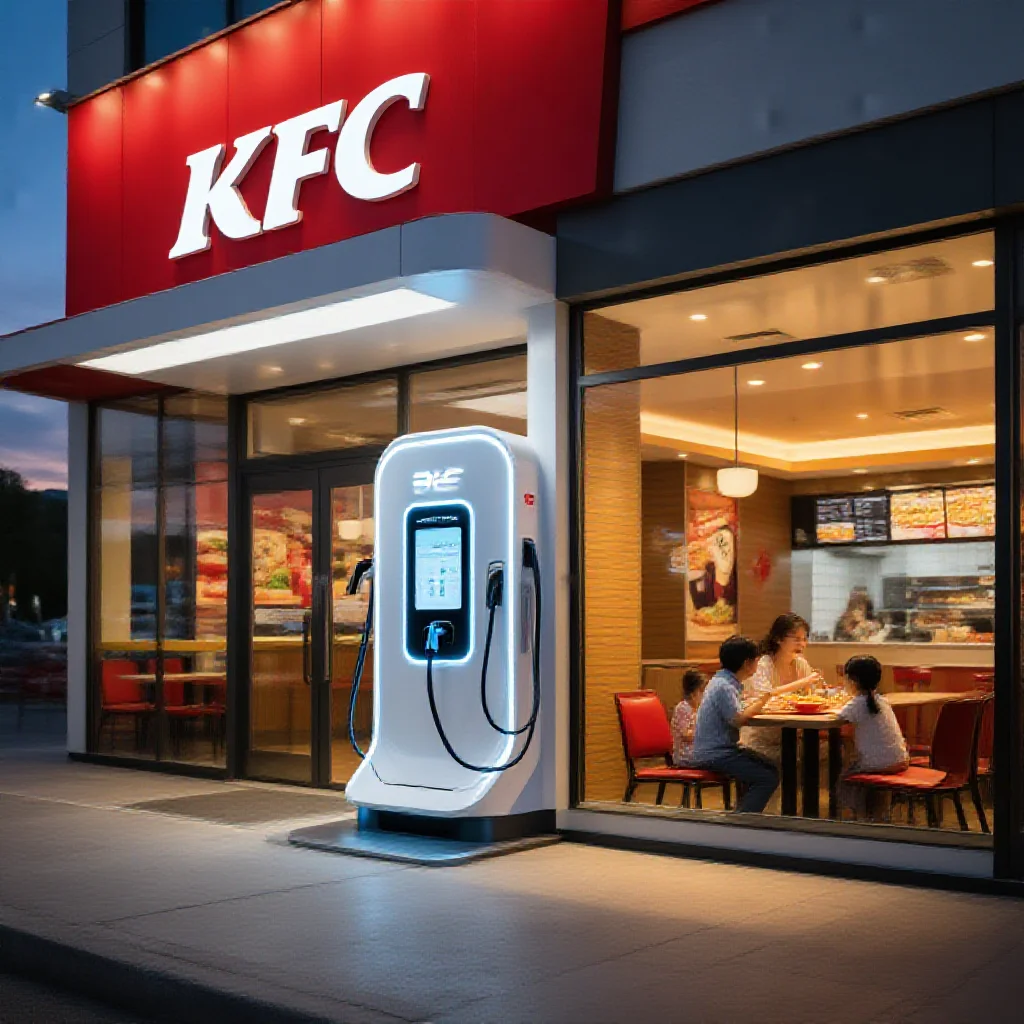
The April 2026 partnership between BYD and KFC to install flash charging stations is more than a convenience play. This analysis positions the move as a strategic pivot in the EV landscape, where high-traffic quick-service restaurants (QSRs) become critical, non-traditional infrastructure nodes. We explore the underlying economic logic of monetizing dwell time, the data-gathering potential beyond energy sales, and how this model pressures traditional fuel stations and urban planning. This collaboration signals a future where EV charging is seamlessly integrated into daily routines, fundamentally altering competitive dynamics in both the automotive and retail sectors.

Ethiopia''s EV Revolution: How Tax Cuts Fueled a 370% Surge in Charging
The Insight

Ethiopia''s EV Revolution: How Tax Cuts Fueled a 370% Surge in Charging

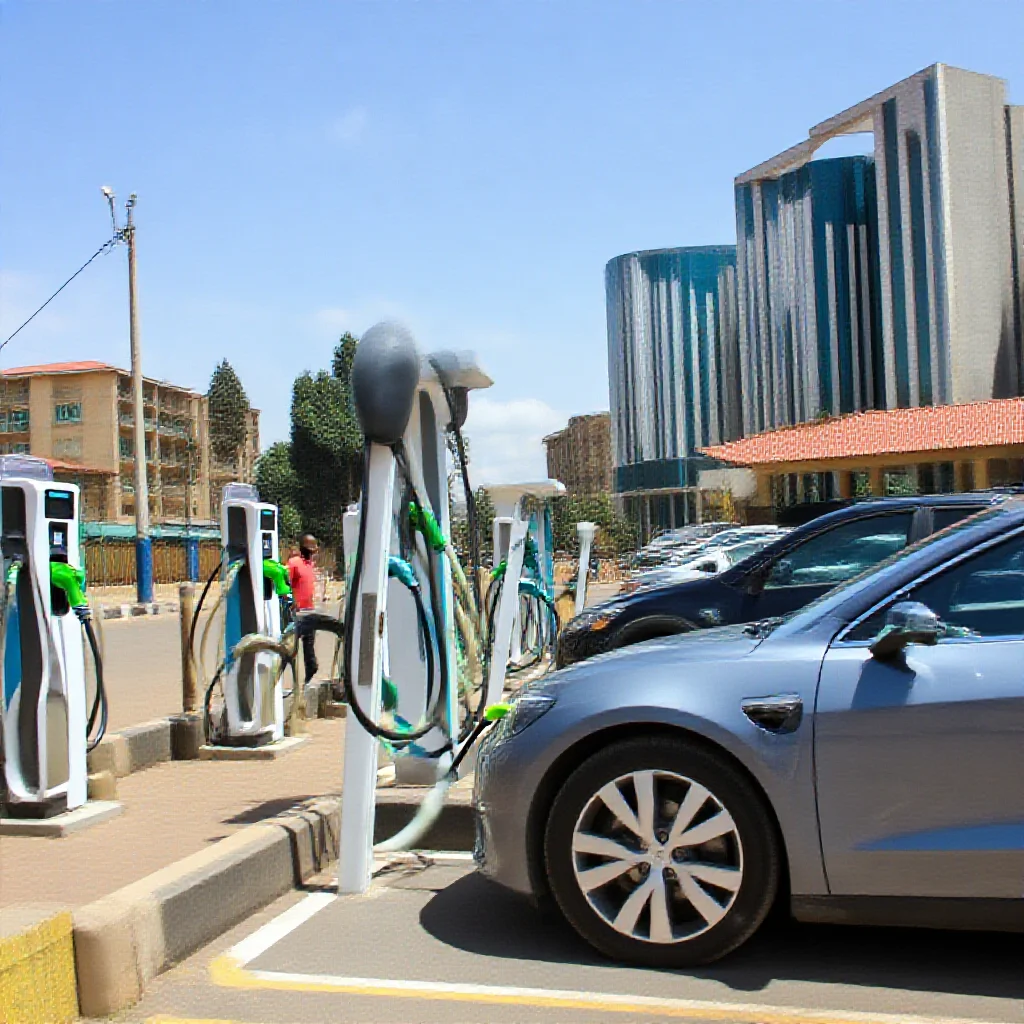
Ethiopia is experiencing a dramatic surge in electric vehicle adoption, driven by aggressive government policy rather than gradual market forces. Public EV charging sessions exploded by 370% from 2024 to 2025, with energy dispensed rising 300%. This analysis reveals the core driver: a sweeping fiscal overhaul that removed VAT, surtax, and crippling excise taxes (up to 400% on ICE vehicles) for EVs, while also eliminating all import duties on both vehicles and charging equipment. The article explores how this policy-led shock therapy is reshaping Ethiopia''s automotive landscape, its strategic implications for energy independence, and the critical infrastructure challenges that must follow this initial demand surge.

Beyond the Plug: How LA''s New Solar-Powered EV Chargers Signal a Shift in Grid Economics and Urban Energy Strategy
The Insight

Beyond the Plug: How LA''s New Solar-Powered EV Chargers Signal a Shift in Grid Economics and Urban Energy Strategy

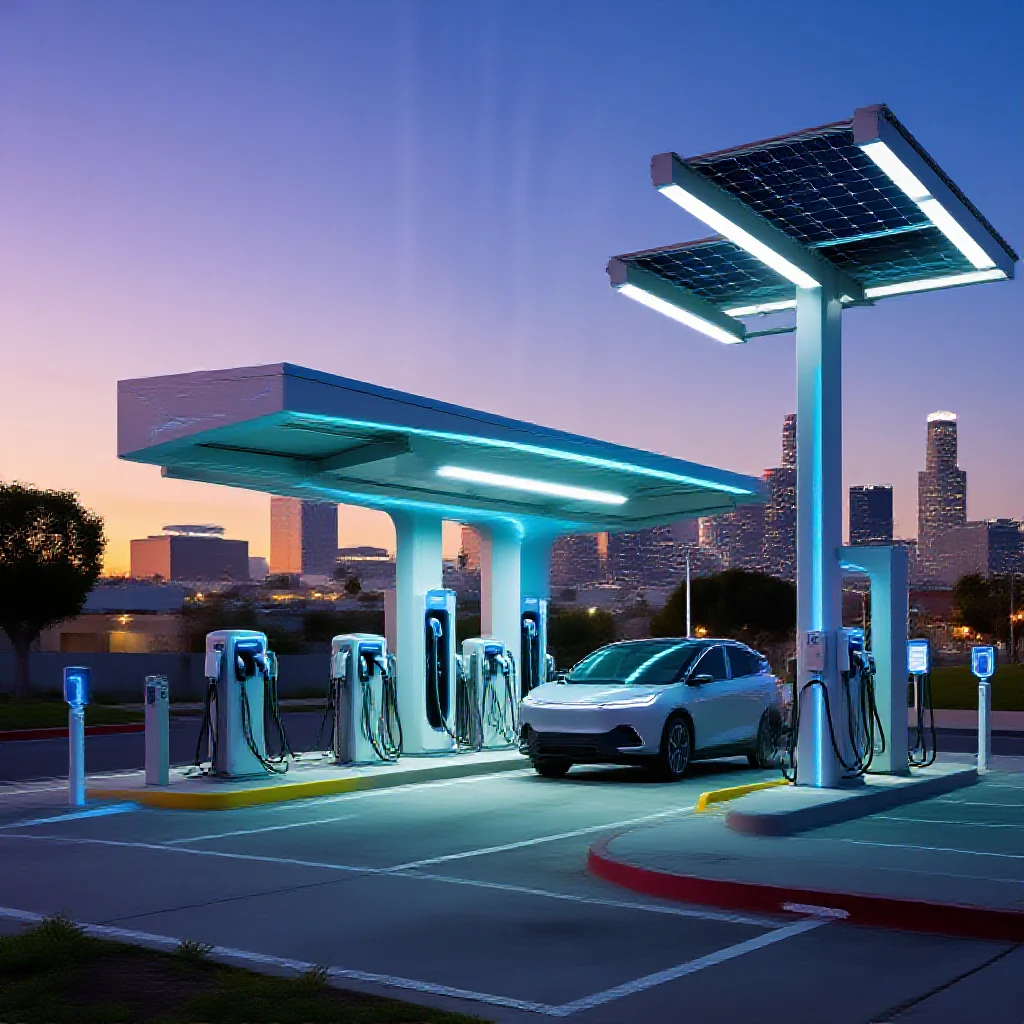
The April 2026 launch of 40 new EV chargers with integrated solar generation in Los Angeles is more than a simple infrastructure expansion. This analysis explores the project as a strategic pivot in urban energy management, moving beyond carbon reduction to address grid stability and economic resilience. We examine the hidden logic behind co-locating generation and consumption, the potential long-term impact on utility demand charges and local energy markets, and what this deployment reveals about the future convergence of transportation and distributed energy resources. This marks a critical step towards transforming EVs from a grid burden into a grid asset, reshaping the underlying economics of urban electrification.

Beyond the Plug: How Rising Gas Prices in 2026 Are Fueling a Strategic Overhaul of America''s EV Charging Infrastructure
Power Energy

Beyond the Plug: How Rising Gas Prices in 2026 Are Fueling a Strategic Overhaul of America''s EV Charging Infrastructure

The expansion of US charging networks in 2026 is not merely a response to EV adoption, but a strategic pivot driven by a critical economic trigger: sustained high gas prices. This article analyzes how this external shock is accelerating infrastructure deployment beyond simple demand-following models, forcing a reevaluation of investment timelines, geographic prioritization, and the underlying business case for charging networks. We explore the hidden supply chain implications, the shift from ''convenience'' to ''necessity'' in consumer perception, and what this accelerated build-out means for the long-term energy landscape and automotive market dynamics.

Beyond the Plug: How the 2026 Auto Show Signals a Strategic Shift in America''s EV Charging Infrastructure
Power Energy

Beyond the Plug: How the 2026 Auto Show Signals a Strategic Shift in America''s EV Charging Infrastructure

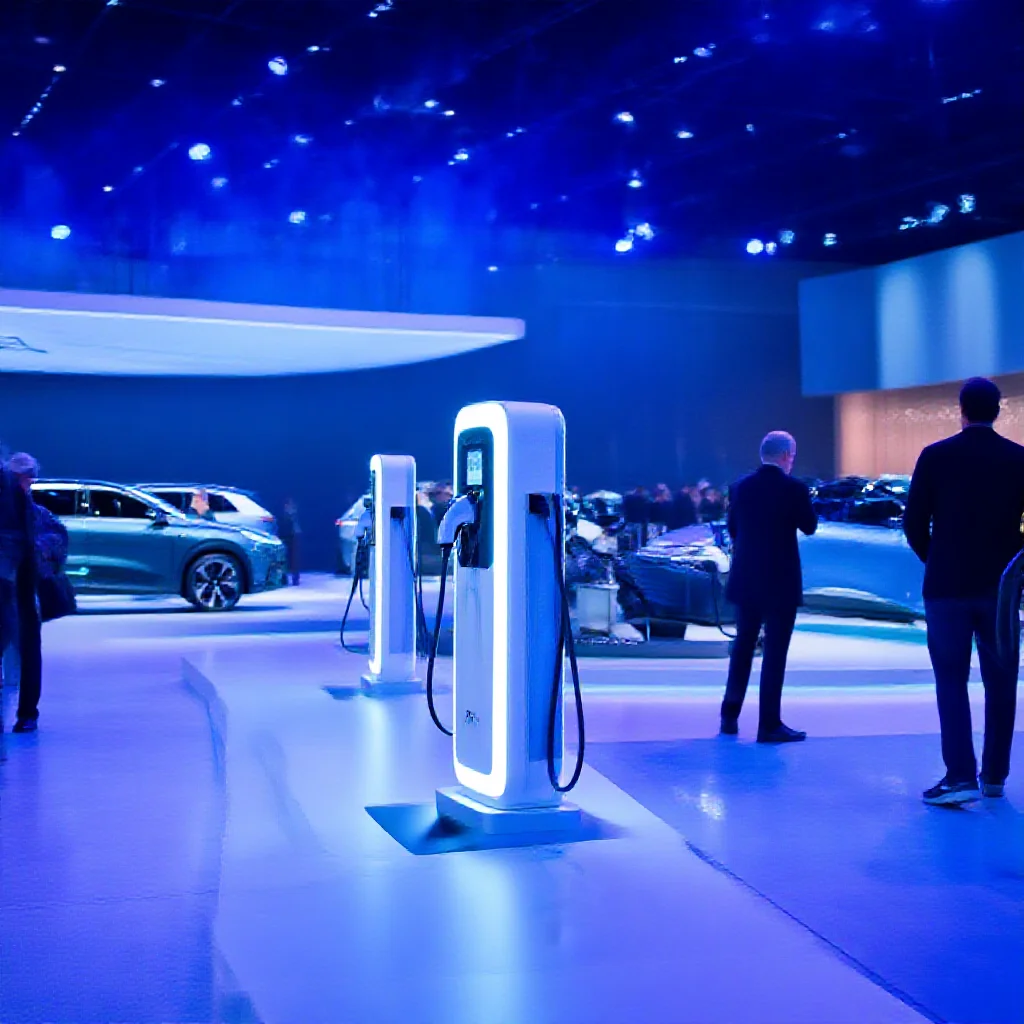
The display of a ChargePoint EV charger at the 2026 Detroit Auto Show is more than a product launch; it's a strategic marker in the U.S. energy transition. This article analyzes the deeper market logic behind the expansion of America's fast-charging network from urban centers to truck stops. We explore how this growth, accelerated by sustained high gas prices, represents a calculated move to build a resilient, multi-use grid that serves both consumer EVs and the impending wave of commercial electric fleets. The analysis connects the dots between auto industry showcases, infrastructure rollouts, and the underlying economic forces reshaping national energy policy and supply chains.