climate explorer

Articles tagged “climate explorer

2 articles found

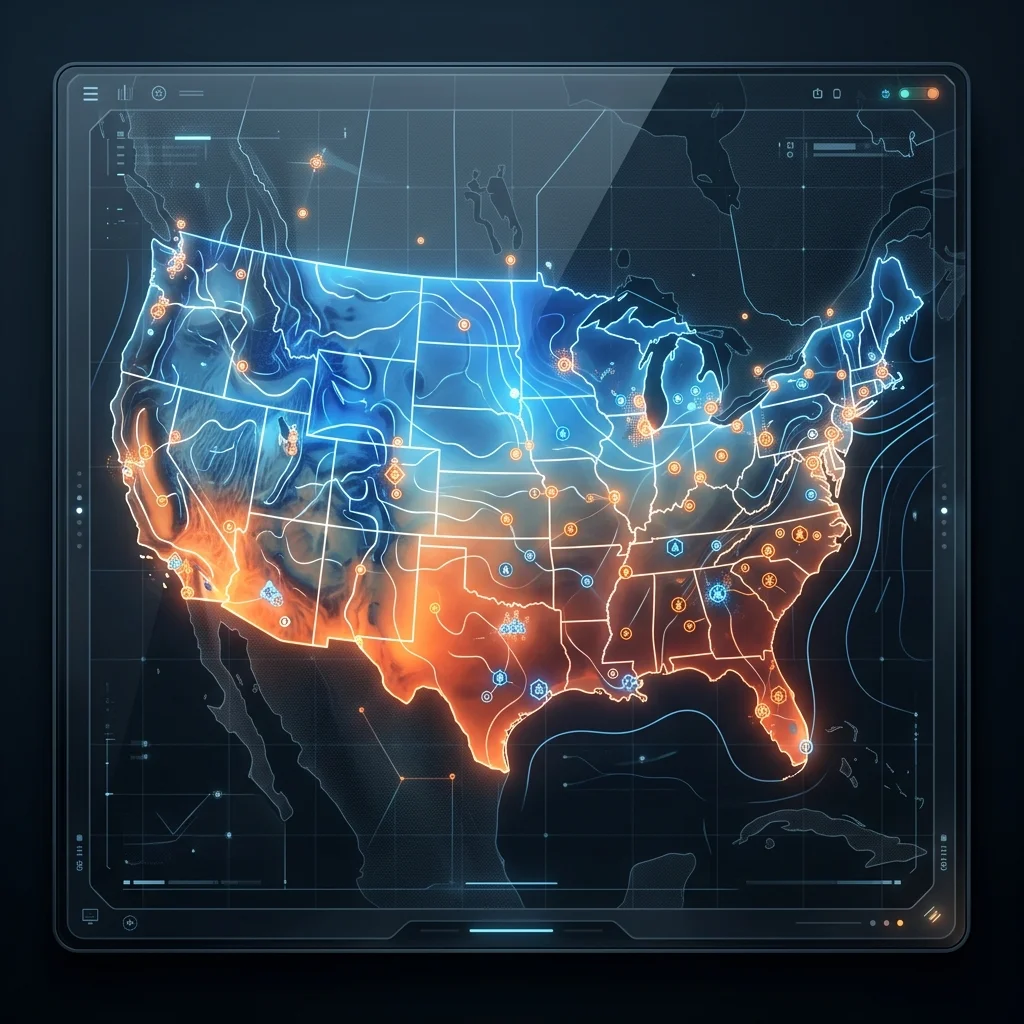
Beyond the Map: How Climate Data Portals Are Reshaping Risk Intelligence for the U.S. Economy
Eco Visuals

Beyond the Map: How Climate Data Portals Are Reshaping Risk Intelligence for the U.S. Economy

Three federal climate data portals—Climate Explorer, Climate Toolbox, and the National Climate Change Viewer—now offer downscaled CMIP5/CMIP6 projections across the contiguous U.S. While often viewed as scientific tools, this article argues they are actually the backbone of a emerging ''climate risk intelligence'' market. By analyzing their data pipelines (LOCA, MACA), update cycles (e.g., LOCA2 release in 2023), and variable coverage (from temperature to fire danger), we uncover how these portals enable a hidden economic logic: they are the critical infrastructure for insurance modeling, agricultural commodity hedging, and municipal bond ratings. This deep audit explores the slow transformation from raw climate models to actionable financial and operational risk metrics.
From Snapshots to Projections: The Evolution of Climate Data Visualization Tools and Their Impact on Decision-Making
Eco Visuals

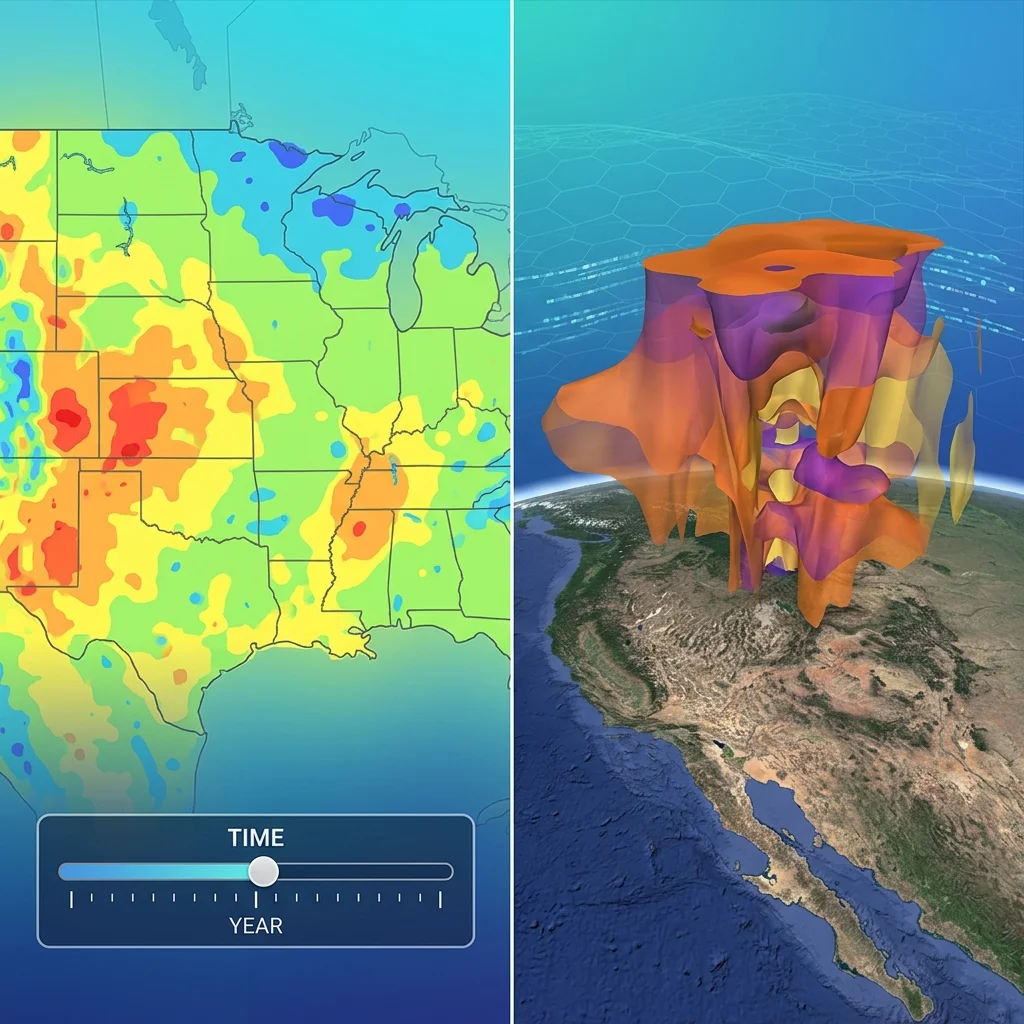
From Snapshots to Projections: The Evolution of Climate Data Visualization Tools and Their Impact on Decision-Making

This article explores the landscape of climate data visualization tools, from NOAA's simple Data Snapshots to the advanced Weather and Climate Toolkit. It uncovers the hidden economic logic behind the tiered difficulty of these tools, revealing a strategic segmentation that serves different user groups—from the general public to researchers and policy-makers. By examining the technology trends (such as the shift to browser-based platforms and the integration of projection data) and the market pattern of government-led tool development, the article argues that these tools represent a critical infrastructure for climate adaptation. It also highlights the long-term impact on supply chains, particularly for agriculture, insurance, and coastal real estate, and embeds verification sources from Climate.gov and NOAA.