renewable energy

Articles tagged “renewable energy

5 articles found

Climate Technology Trends in 2024: AI, Storage, Carbon Capture, and the Economics of Decarbonization
Tech Frontier

Climate Technology Trends in 2024: AI, Storage, Carbon Capture, and the Economics of Decarbonization

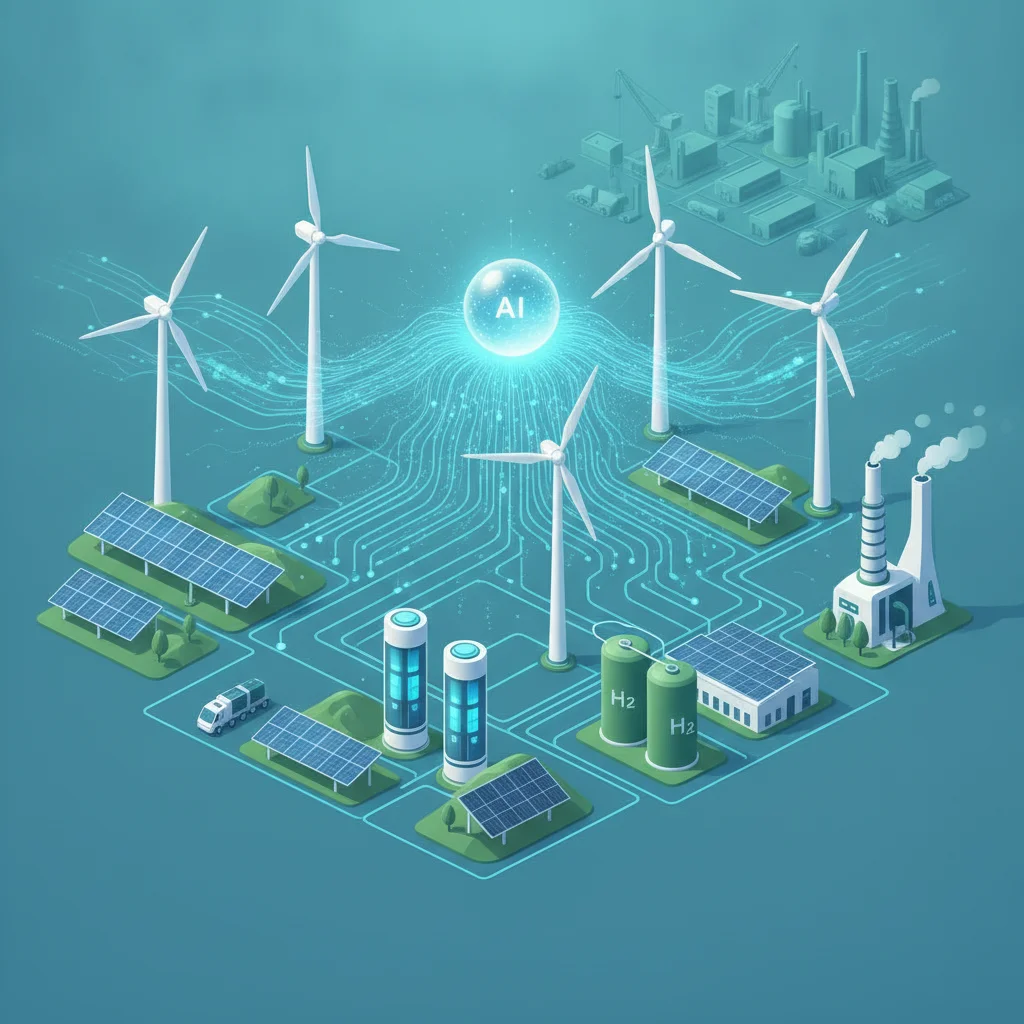
This article examines climate technology trends in 2024 and beyond through the lens of market adoption, supply-chain constraints, and policy pressure. It covers AI-driven climate optimization, battery innovation, renewable energy scaling, green hydrogen, perovskite solar cells, larger offshore wind turbines, and carbon capture technologies. The core argument is that climate tech is no longer only a science story: it is an industrial restructuring story shaped by regulation, economics, and technology transfer. Verification points are embedded early for publication context and later for company/product claims such as Vaayu’s AI systems and its Carbonfact connection.

The Tipping Point: How Renewables Surpassed Coal in 2025 and What It Means for Global Energy Markets
Power Energy

The Tipping Point: How Renewables Surpassed Coal in 2025 and What It Means for Global Energy Markets

In 2025, renewable energy sources generated more electricity than coal for the first time globally, according to a 2026 report from energy think tank Ember. This article goes beyond the headline to explore the economic drivers behind the shift—falling renewable LCOE, policy acceleration, and coal's structural decline. We analyze the implications for coal supply chains, energy storage demand, and grid infrastructure, and embed cross-verification from Ember's dataset to ensure analytical rigor. This is a slow-analysis deep-dive into a market transition that will reshape investment strategies for decades.

The Great Offshore Wind Divide: Global Boom Meets American Bust
Esg Assets

The Great Offshore Wind Divide: Global Boom Meets American Bust

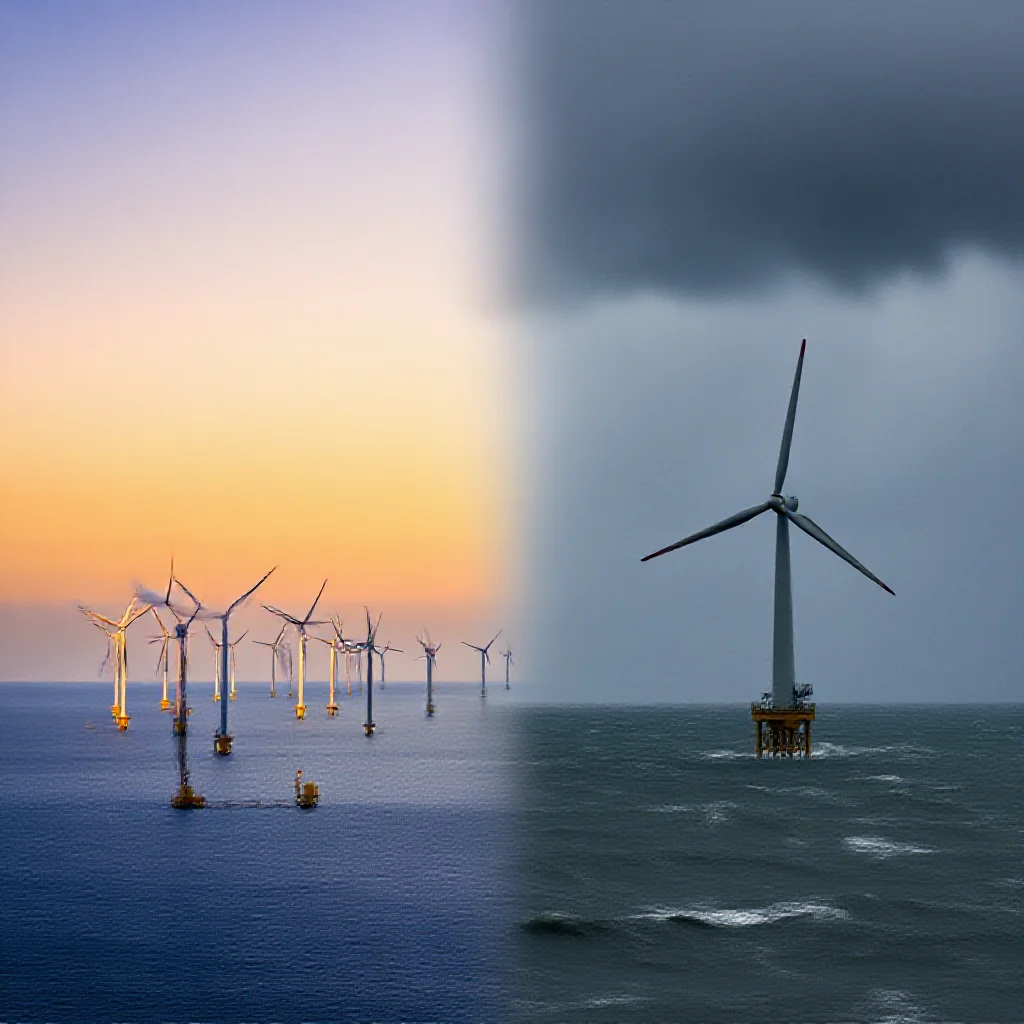
While the global offshore wind industry is accelerating, with China, Europe, and Asia-Pacific rapidly expanding capacity and setting ambitious targets, the United States market is experiencing a severe contraction. In 2023 alone, over 12 gigawatts of US projects were canceled or renegotiated as developers like Ørsted faced billions in losses. This article explores the core economic and policy fissures creating this stark divergence. It analyzes how inflation, supply chain costs, and rigid regulatory frameworks are crippling US ambitions, even as the federal government pushes forward with new lease sales and a long-term 110-gigawatt roadmap. The analysis reveals a critical moment for the US energy transition, where global momentum clashes with local market realities.

Beyond the Headline: The Hidden Supply Chain and Market Shifts Behind America''s Renewable Energy Milestone
Esg Assets

Beyond the Headline: The Hidden Supply Chain and Market Shifts Behind America''s Renewable Energy Milestone

In March 2026, U.S. renewable energy generation officially surpassed natural gas for the first full month on record, according to the Energy Information Administration (EIA). While this marks a symbolic tipping point, the deeper story lies in the underlying economic and industrial shifts that made it possible. This analysis moves beyond the celebratory headline to examine the critical, often-overlooked factors: the strategic vulnerabilities and dependencies within the renewable supply chain, the evolving role of natural gas as a flexible partner rather than a displaced competitor, and the market signals this sends for future infrastructure investment. We explore whether this is a fleeting anomaly or the start of a durable new market pattern.

Beyond the Headline: The Five-Year Solar Dominance and What It Reveals About America''s Energy Transformation
E Mobility

Beyond the Headline: The Five-Year Solar Dominance and What It Reveals About America''s Energy Transformation

For the fifth consecutive year, solar power has been the leading source of new electricity generating capacity in the United States, with 2025 adding a total of 43 GW. This milestone is more than a statistic; it signals a fundamental and sustained shift in the nation's energy architecture. This analysis moves beyond the annual rankings to explore the underlying drivers—from policy maturation and plummeting technology costs to evolving grid economics—that have cemented solar's primacy. We examine what this five-year streak reveals about the durability of the transition, the emerging challenges for grid integration, and the long-term implications for fossil fuel assets and the domestic manufacturing supply chain.