sustainability policy analysis

Articles tagged “sustainability policy analysis

14 articles found

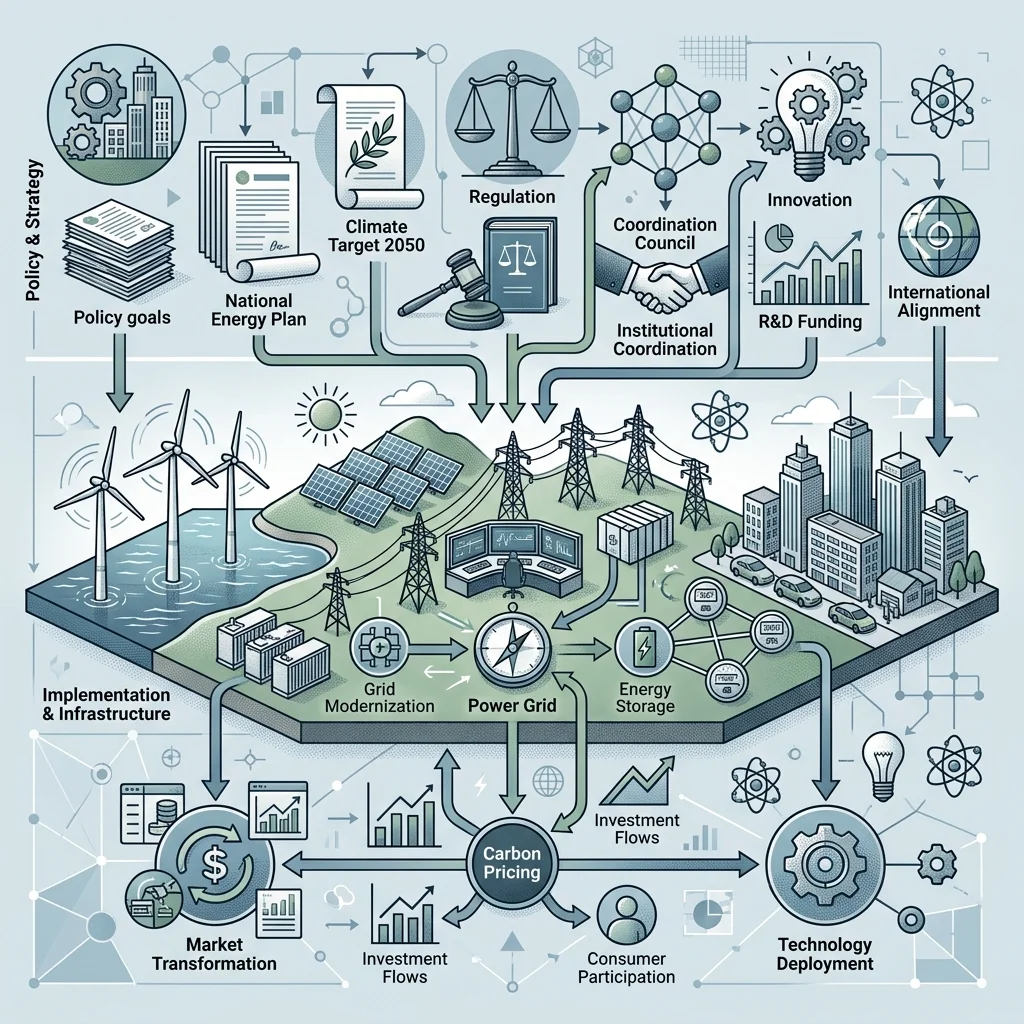
Policy Mixes for Sustainability Transitions: A Deep Framework for Analyzing Energy Transition Policy Design
The Insight

Policy Mixes for Sustainability Transitions: A Deep Framework for Analyzing Energy Transition Policy Design

This article examines how policy mixes shape sustainability transitions, using Rogge and Reichardt’s interdisciplinary framework to explain policy design beyond single instruments. The core logic is that technological change, market formation, and institutional coordination must be aligned through a mix of policy elements, policy processes, and policy characteristics. The piece focuses on the German energy transition as a practical test case, showing why renewable power adoption depends not only on incentives, but on timing, coherence, stability, and interaction across policies. Best suited for slow analysis, this topic supports a deep audit of sustainability policy analysis, with emphasis on long-term system change rather than short-term policy headlines.


When Data Hides: The Hidden Cost of Unreadable PDFs in Sustainability Policy Analysis
The Insight

When Data Hides: The Hidden Cost of Unreadable PDFs in Sustainability Policy Analysis

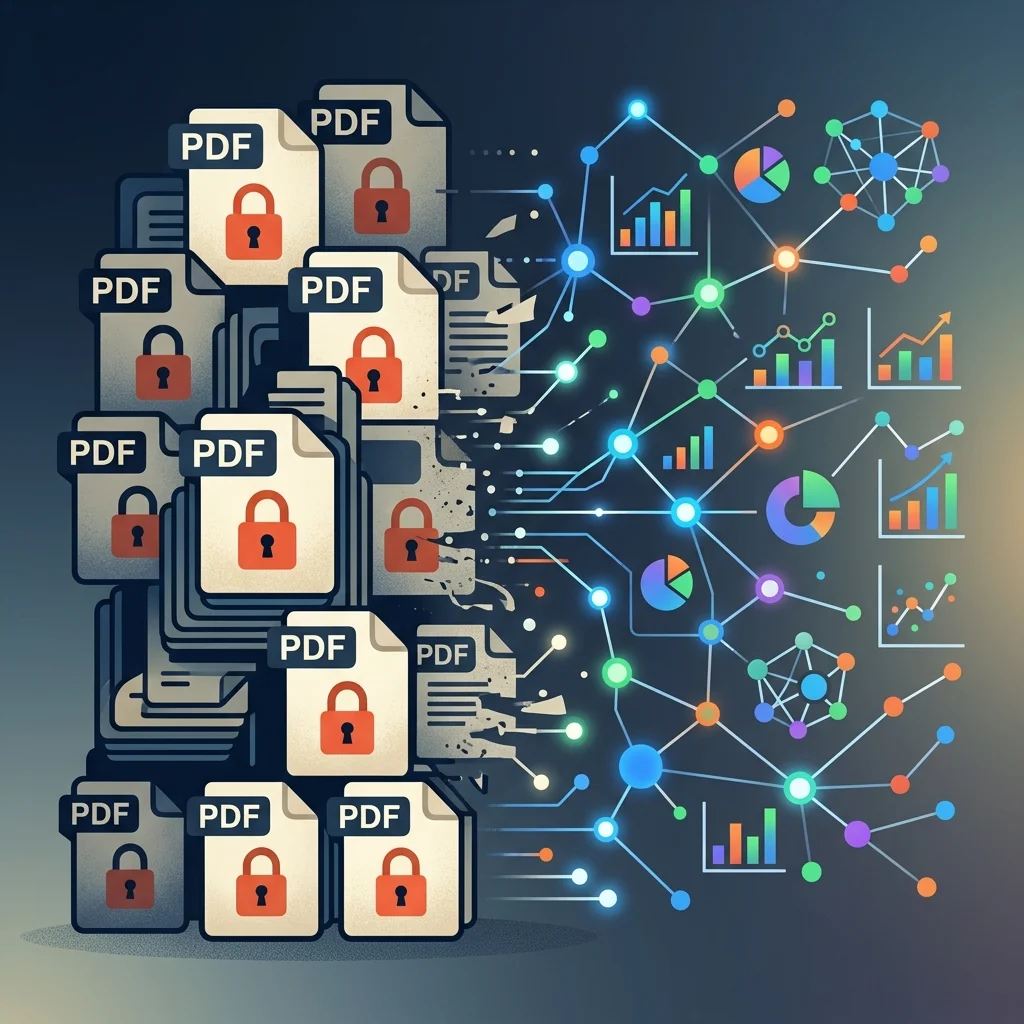
Sustainability policy analysis depends on accessible, machine-readable data. Yet a vast amount of corporate sustainability reports remain locked inside compressed, non-parseable PDFs. This article uncovers the economic inefficiencies, compliance risks, and market distortions caused by such data barriers. It argues for standardized digital reporting formats (e.g., XBRL, JSON) as a critical infrastructure for effective policy design. Drawing on real-world examples from the EU’s CSRD and ESRS, it offers a roadmap for policymakers, analysts, and technologists to break the PDF bottleneck and unlock the true potential of sustainability data.

Beyond CSR: A Deep Analysis of Corporate Sustainability Policies from Patagonia to Nike
The Insight

Beyond CSR: A Deep Analysis of Corporate Sustainability Policies from Patagonia to Nike

This article analyzes five landmark corporate sustainability policies—Patagonia, Ben & Jerry''s, Salesforce, Unilever, and Nike—to uncover the hidden economic logic behind their commitments. It explores how these companies move beyond traditional CSR to embed sustainability into core operations, from renewable energy and ethical sourcing to employee wellness and governance. The analysis reveals an emerging industry trend: the need for structured, measurable frameworks and digital tools (like those offered by Apiday) to manage, track, and scale such policies. Published on July 2, 2024, this piece serves as a strategic audit for leaders seeking to build resilient, future-proof sustainability programs.

The Hidden Cost of PDFs in Sustainable Development Evaluation: Why Machine-Readable Data Matters for Policy Analysis
The Insight

The Hidden Cost of PDFs in Sustainable Development Evaluation: Why Machine-Readable Data Matters for Policy Analysis

A 2012 PDF on sustainable development evaluation, hosted by EVALSDGs, contains no extractable text—a stark reminder that many critical policy documents remain locked in legacy formats. This article explores the economic logic behind inaccessible data: the hidden costs to evidence-based policy, the technology trends driving a shift toward structured data, and the long-term impact on the supply chain of sustainability evaluation. By analyzing the document''s metadata (created with pdfsam-console and iText), we reveal a systemic challenge that undermines efficient policy analysis. The piece argues for mandatory machine-readable standards to ensure that past and future evaluations can feed into data-driven decision-making, especially for the SDGs.

The Sustainability Analysis Framework: Unlocking Deep Insights for Effective Policy Making
The Insight

The Sustainability Analysis Framework: Unlocking Deep Insights for Effective Policy Making

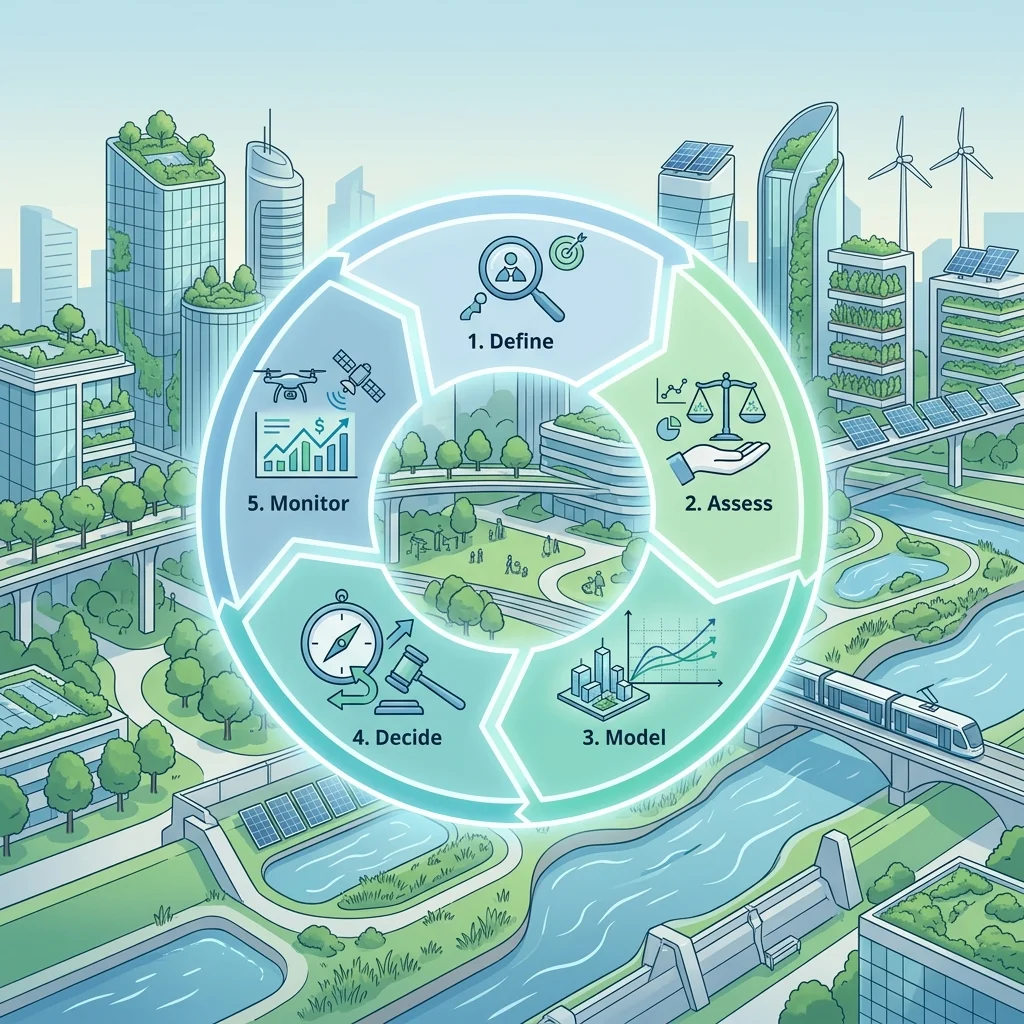
This article explores the Sustainability Analysis Framework (SAF) as a powerful tool for evaluating and shaping sustainability policies. Beyond surface-level compliance, we uncover the hidden economic logic, technology trends, and supply chain disruptions that policy analysts often overlook. By integrating multi-criteria decision analysis, life-cycle assessment, and real-time data streams, the SAF enables organizations to anticipate long-term impacts, identify cost-effective interventions, and align with evolving regulations. We provide a step-by-step guide to applying the framework, supported by evidence from recent case studies in energy, agriculture, and manufacturing. The result is a forward-looking blueprint for policymakers and business leaders seeking to turn sustainability mandates into strategic advantage.

The New Green Blueprint: How Environmental Policy Frameworks Drive Business, Technology, and Supply Chain Transformation
The Insight

The New Green Blueprint: How Environmental Policy Frameworks Drive Business, Technology, and Supply Chain Transformation

Environmental policy frameworks are evolving from compliance checklists into strategic drivers of innovation, cost savings, and resilience. This article explores the core components, real-world applications (Denmark, Patagonia, Singapore), and the digital tools—carbon accounting, LCA software, AI, and blockchain—that make them actionable. It digs into hidden economic logic: how these frameworks create new markets for data analytics, reshape supply chain transparency, and force companies to rethink risk. Implementation challenges and pragmatic solutions are also examined, offering a roadmap for policymakers and executives alike.

Sustainability Assessment and Biofuels: Unpacking the Hidden Trade-offs of Corn Ethanol Policy
The Insight

Sustainability Assessment and Biofuels: Unpacking the Hidden Trade-offs of Corn Ethanol Policy

This article explores how a comprehensive sustainability assessment framework can reveal the hidden economic and environmental trade-offs of biofuel policies. Using the U.S. corn ethanol boom as a case study, we examine the disconnect between policy goals—such as the 2007 Energy Independence and Security Act—and real-world impacts like land-use change carbon debt, water quality degradation, and supply chain pressures. By integrating facts on tax credits, production volumes, and lifecycle emissions, the analysis shows why sustainability management must move beyond simple greenhouse gas accounting to address systemic risks.

The Strategic Role of Environmental Policy Analysts in Sustainability and Economic Transformation
The Insight

The Strategic Role of Environmental Policy Analysts in Sustainability and Economic Transformation

Environmental policy analysts are the invisible architects of the green economy. By synthesizing science, law, and economics, they craft evidence-based policies that shape regulations, corporate strategies, and investment flows. This article explores the core skills, career pathways, and hidden economic logic behind this growing profession, drawing on insights from the University of Redlands and the Presidio Center for Sustainable Solutions. We reveal how these analysts are influencing supply chains, carbon markets, and long-term competitiveness in an era of accelerating environmental challenges.

Policy Analysis for Climate Resilience: A Strategic Guide to Designing and Implementing Effective Frameworks
The Insight

Policy Analysis for Climate Resilience: A Strategic Guide to Designing and Implementing Effective Frameworks

This guide explores how policy analysis can be systematically designed and applied to enhance climate resilience. Drawing on insights from the Grantham Research Institute on Climate Change and the Environment at the London School of Economics, it examines the economic logic behind resilience planning, the dual-track nature of fast versus slow policy analysis, and the often-overlooked supply chain vulnerabilities that climate policies expose. The article provides a step-by-step framework for building robust policy models, integrating stakeholder input, and navigating uncertainty. It also discusses how sustainability policy analysis can bridge short-term political cycles with long-term adaptation needs, offering evidence-based recommendations for policymakers, analysts, and sustainability practitioners.

Navigating the Uncertainty of Sustainability Policy Analysis in a Data-Void Landscape
The Insight

Navigating the Uncertainty of Sustainability Policy Analysis in a Data-Void Landscape

This article explores the strategic challenges faced by analysts when core sustainability data is unavailable or unparseable—such as when PDFs are binary or encoded. Rather than treating missing data as a dead end, we frame it as a critical signal for policy analysis. We examine how organizations like AWS (implied by the source) and others must adapt their sustainability policy analysis workflows when faced with opaque data formats. The piece offers a dual-track methodology: fast verification of timely policy signals versus deep industry audits that reconstruct insights from metadata and source patterns. It provides actionable frameworks for decision-makers to maintain analytical rigor even when facts are absent, turning data voids into opportunities for supply chain and governance innovation.

Beyond the Noise: The Hidden Economic Logic of Sustainability Policy in an Age of Stalled Data
The Insight

Beyond the Noise: The Hidden Economic Logic of Sustainability Policy in an Age of Stalled Data

In the absence of concrete data or political controversy, a sustainability policy analysis often defaults to surface-level reporting. This article takes a contrarian ''slow analysis'' approach, arguing that the very lack of high-profile legislative action reveals a deeper, more durable market pattern. Instead of tracking news cycles, we examine the silent economic pressure points: supply chain cost internalization, the rise of voluntary compliance as a de-facto standard, and the financialization of ESG metrics. This piece provides an industry deep audit for professionals who need to understand where the real leverage lies when the political spotlight is off.

Beyond the Broken PDF: Reconstructing Sustainability Policy Analysis from Fragmentary Data
The Insight

Beyond the Broken PDF: Reconstructing Sustainability Policy Analysis from Fragmentary Data

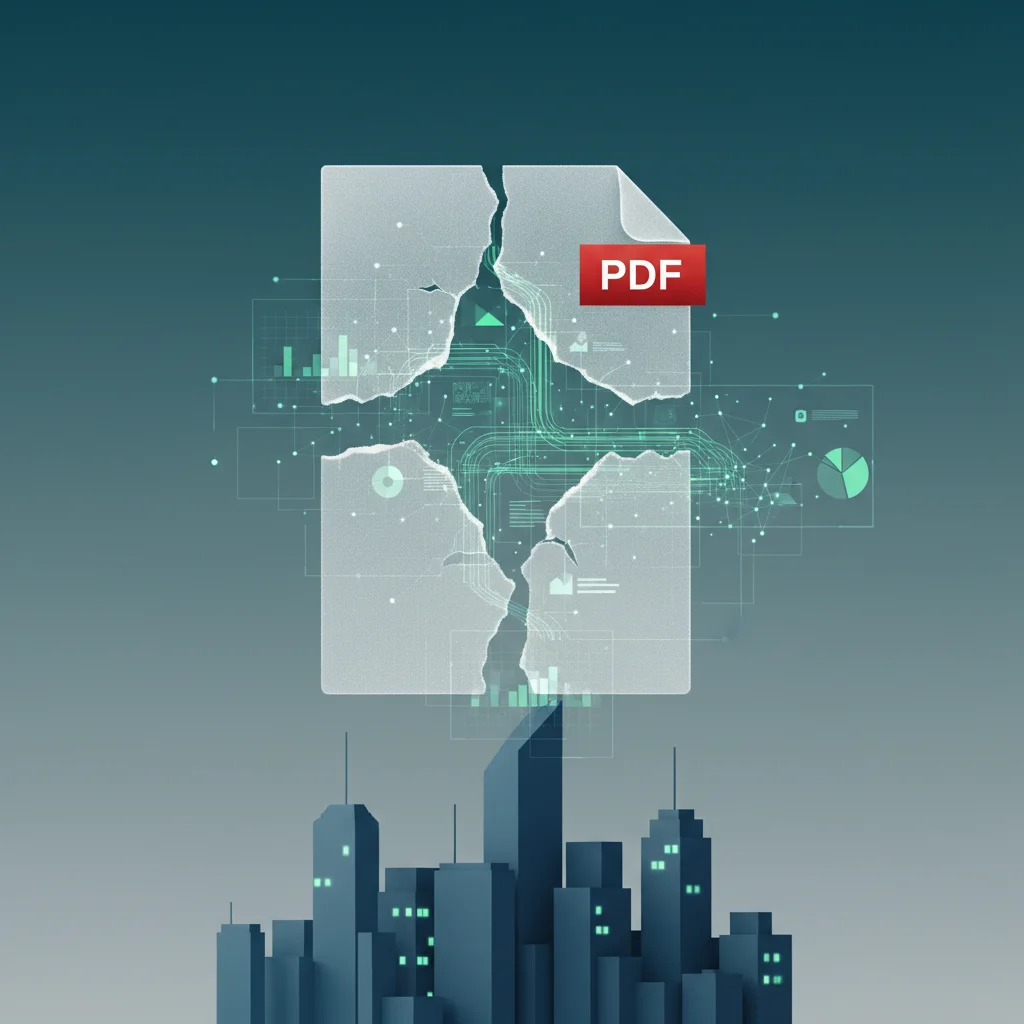
In a data ecosystem where critical documents are corrupted or unparseable, analysts and policymakers face a hidden cost: the loss of evidence-based insight. This article explores the economic and strategic implications of fragmented data in sustainability policy analysis. It argues that the inability to extract structured facts from key reports creates a ''data shadow,'' forcing decisions on incomplete information and inflating verification costs. By examining alternative methods—crowdsourced validation, semantic inference, and AI-assisted reconstruction—the article provides a roadmap for turning unstructured noise into actionable intelligence. It delivers a deep audit of how organizations can adapt their information architecture to thrive despite broken data streams.

From Simple Benchmarks to Systemic Impact: The Hidden Logic of Policy Evaluation in Sustainability
The Insight

From Simple Benchmarks to Systemic Impact: The Hidden Logic of Policy Evaluation in Sustainability

Policy evaluation is the unsung engine behind effective sustainability transitions. This article moves beyond classic before-and-after comparisons to reveal the economic and logic-driven patterns that determine which energy policies succeed. It explores why simple benchmarking often masks complex trade-offs, how stakeholder consultations can uncover hidden costs, and why intermediate frameworks are essential for avoiding greenwashing. Designed for analysts and decision-makers, this piece provides a deep audit of evaluation methods, with practical evidence for embedding verified data into real-world assessments. Discover the market logic and feedback loops that make—or break—sustainability policy.

Beyond Efficiency: How Institutional and Political Lenses Reshape Sustainability Policy Analysis
The Insight

Beyond Efficiency: How Institutional and Political Lenses Reshape Sustainability Policy Analysis

Policy Analysis Frameworks are often taught as rational, linear tools for evaluating options. However, when applied to complex, long-term challenges like sustainability, the limitations of purely efficiency-driven models become stark. This article goes beyond the basics to explore how Political and Institutional frameworks provide deeper, more realistic insights. By incorporating power dynamics, stakeholder interests, and the 'rules of the game,' analysts can design policies that are not only evidence-based but also politically viable and resilient. We dissect how shifting from a Rational Choice to an Institutional lens changes problem definition and implementation strategies, offering a slow-analysis audit of the structural forces that determine a policy's success or failure in the sustainability sector.