grid modernization

Articles tagged “grid modernization

7 articles found

Renewable Energy Markets in 2025: Investment Boom, Grid Bottlenecks, and the Race to 2030
Power Energy

Renewable Energy Markets in 2025: Investment Boom, Grid Bottlenecks, and the Race to 2030

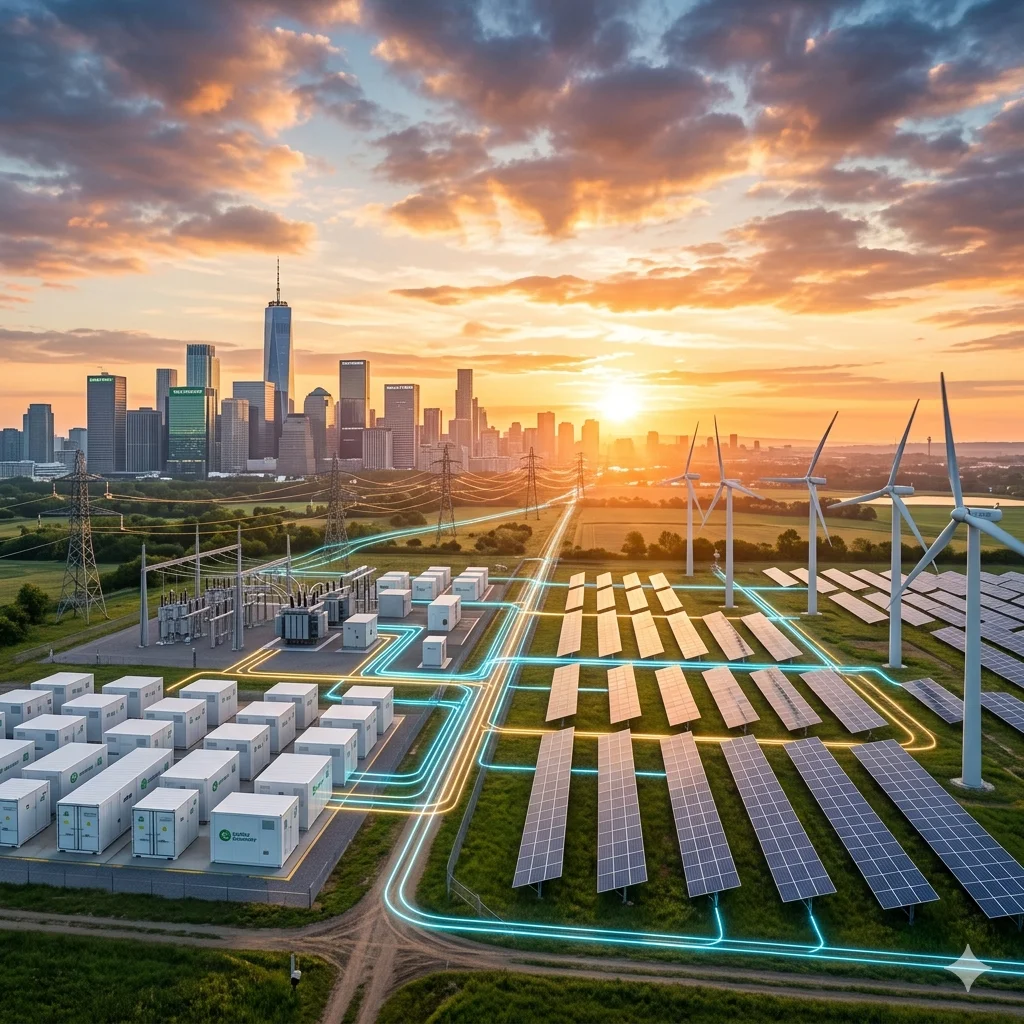
Renewable energy is no longer a niche transition story—it is a large-scale market reshaping electricity supply, capital flows, and industrial supply chains. Nearly 30% of global electricity now comes from renewables, up from 20% in 2011, while clean energy investment hit $2.1 trillion in 2024. Yet the market is not scaling smoothly: supply chain imbalances, permitting delays, aging grids, and policy uncertainty are becoming the main constraints on growth. This article will examine the hidden economic logic behind the renewables boom, including why solar and wind are winning on cost, where bottlenecks are shifting from generation to infrastructure, and how the race to 2030 may determine whether net-zero goals remain credible.


Beyond the Vote: How Shawnee County''s Solar Approval Signals a Rural Economic Pivot
The Insight

Beyond the Vote: How Shawnee County''s Solar Approval Signals a Rural Economic Pivot

The Shawnee County Commission's unanimous 2026 approval of a utility-scale solar and battery storage project is more than a routine permit decision. It represents a strategic pivot for an agricultural region, positioning land as a dual-purpose asset for both food and energy production. This analysis explores the hidden economic logic behind repurposing agricultural-zoned land, the emerging trend of rural counties becoming clean energy hubs, and the long-term implications for local tax bases, grid stability, and supply chain dependencies. The move underscores a broader market pattern where energy storage is becoming a non-negotiable component of new renewable projects, transforming local governance and economic development strategies.

Beyond the Headlines: How the Utility RELIEF Act Reshapes the Solar Industry''s Grid and Economic Future
The Insight

Beyond the Headlines: How the Utility RELIEF Act Reshapes the Solar Industry''s Grid and Economic Future

Following the passage of the Utility RELIEF Act, statements from leading solar trade groups like SEIA and ACORE reveal a strategic alignment on grid modernization and cost reduction. This analysis moves beyond the press releases to examine the Act''s dual-track impact: as a catalyst for accelerated solar deployment and a framework for a fundamental grid transformation. We explore the underlying economic logic—shifting from pure subsidy reliance to enabling infrastructure—and the long-term implications for market competition, supply chain stability, and the evolving role of utilities in a renewable-dominant energy landscape.

Beyond the Vote: How Shawnee County''s Solar Approval Signals a Shift in Rural Energy Economics
The Insight

Beyond the Vote: How Shawnee County''s Solar Approval Signals a Shift in Rural Energy Economics

The Shawnee County Commission's unanimous 2026 approval for a utility-scale solar and battery storage project is more than a local permit decision; it's a microcosm of a profound economic realignment in rural America. This analysis moves past the headline to explore how such projects are transforming agricultural land into dual-use assets, reshaping local tax bases, and positioning non-traditional energy regions as critical nodes in a decentralized grid. We examine the hidden drivers—from evolving land valuation models to the strategic pairing of solar with storage for grid stability—that are turning heartland counties into unlikely pioneers of the energy transition, with long-term implications for supply chains, workforce development, and regional economic sovereignty.

Beyond 100%: How Hawaii''s TFIE Strategy Redefines Grid Modernization for Island Economies
The Insight

Beyond 100%: How Hawaii''s TFIE Strategy Redefines Grid Modernization for Island Economies

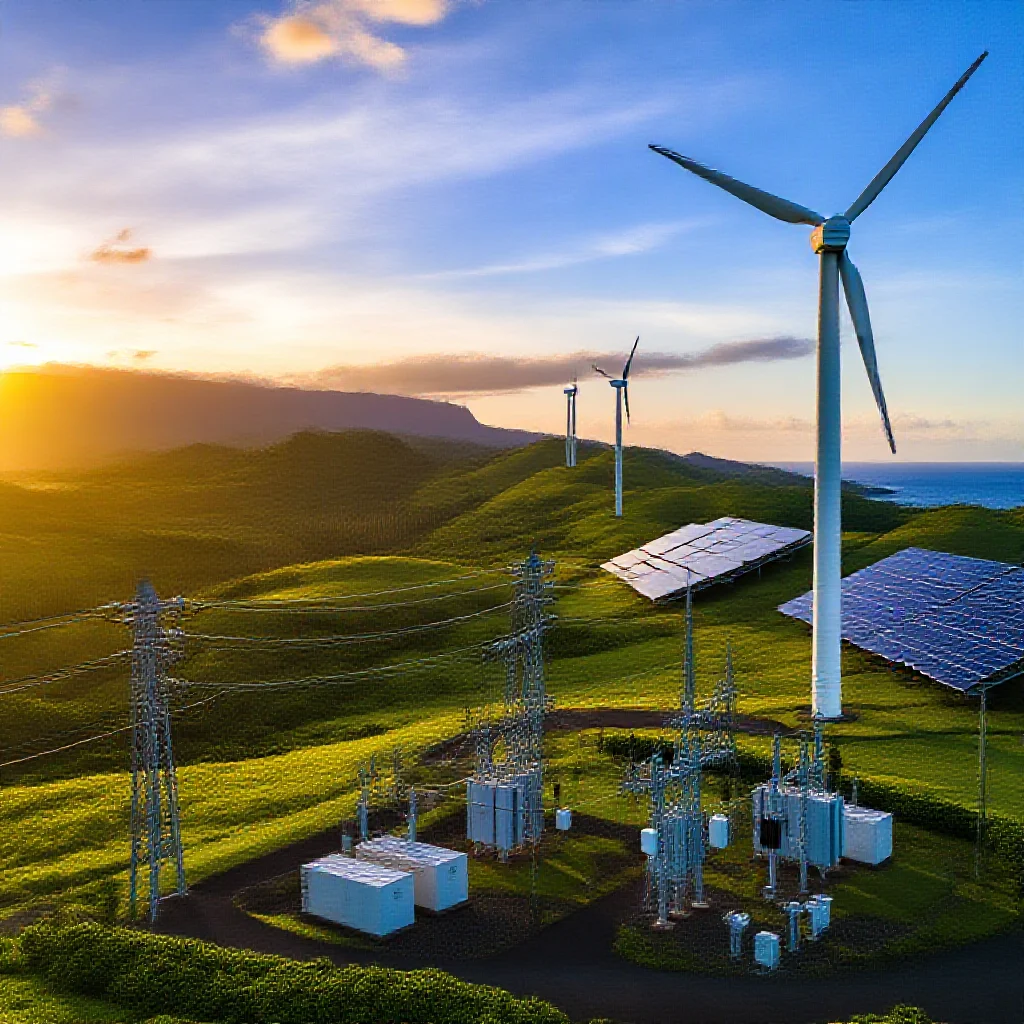
Hawaii''s newly unveiled ''Transportation, Fuels, Infrastructure, and Electricity (TFIE) Strategy'' represents more than a roadmap to its 2045 clean electricity mandate. This analysis delves into the white paper ''The Clean Energy Future Hawaiʻi Can Actually Build'' to uncover its core innovation: treating grid constraints not as a barrier, but as the central design parameter for a distributed, resilient energy system. We explore the hidden economic logic of prioritizing grid modernization before massive renewable deployment, a model with profound implications for other island and constrained-grid economies worldwide. The strategy signals a pivotal shift from a technology-centric to an infrastructure-first approach in the clean energy transition.

Xcel Energy''s VPP Gamble: Why Utility-Owned Virtual Power Plants Could Reshape the Grid
Esg Assets

Xcel Energy''s VPP Gamble: Why Utility-Owned Virtual Power Plants Could Reshape the Grid

Xcel Energy's plan to build the first utility-owned virtual power plant (VPP) in the U.S. marks a pivotal shift in grid management. This analysis explores the hidden economic logic behind this move, arguing it's less about customer choice and more about utility control in a distributed energy future. We examine the strategic implications for Xcel's business model, the potential impact on the battery supply chain, and why this model could become a blueprint for other regulated utilities seeking to maintain relevance and revenue streams as the grid decentralizes. This represents a 'slow analysis' of a foundational industry trend with long-term consequences.

Beyond Public vs. Private: The Real Drivers of Your Electricity Bill
Power Energy

Beyond Public vs. Private: The Real Drivers of Your Electricity Bill

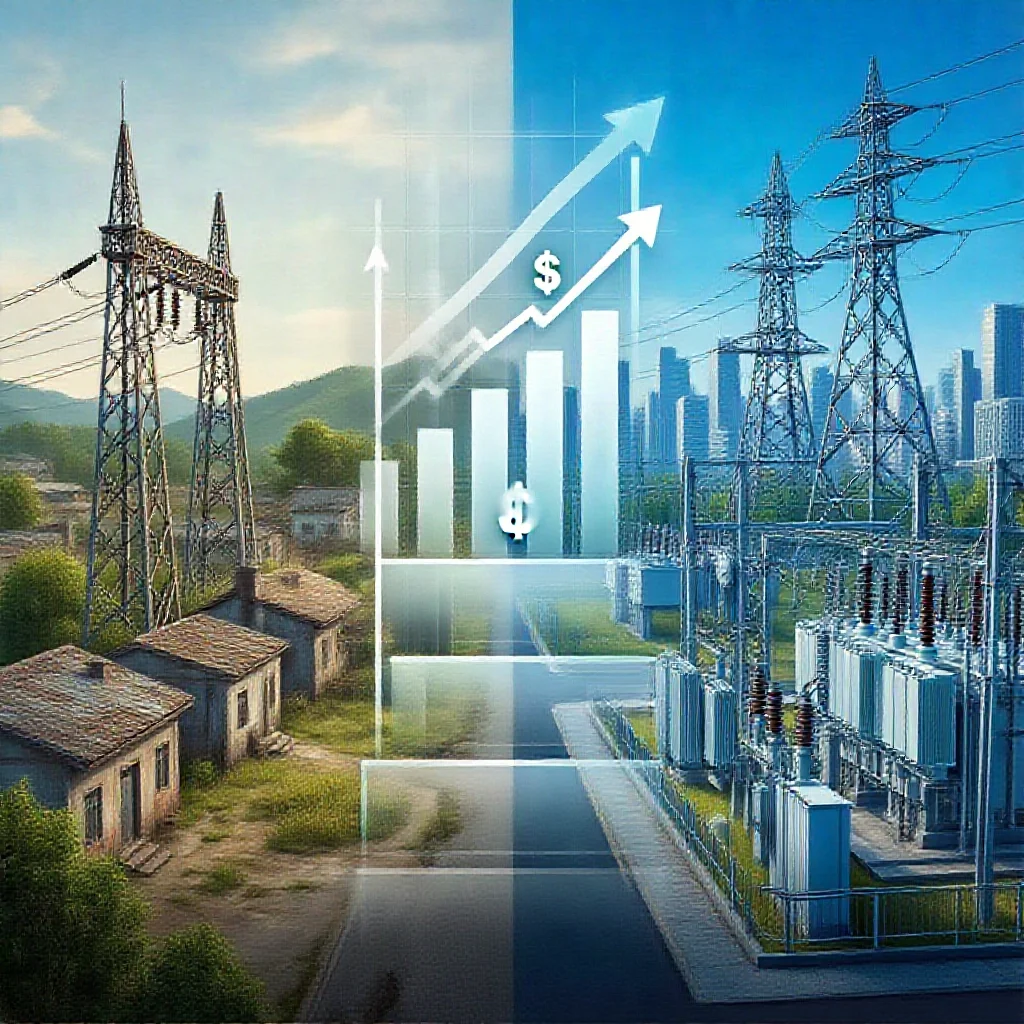
Conventional wisdom pits public power against investor-owned utilities, assuming ownership dictates cost. However, a deeper analysis reveals a more complex reality. While data shows public power customers pay lower average rates, this gap is not a simple function of ownership. The true cost drivers are foundational: access to legacy low-cost generation like federal hydropower, geographic service area characteristics, and the massive, universal financial burdens of grid modernization, wildfire hardening, and the clean energy transition. This article dissects the economic and infrastructural forces that truly shape electricity prices, arguing that the debate over public versus private ownership often obscures the more critical challenges facing the entire grid.