renewable energy markets

Articles tagged “renewable energy markets

13 articles found

Renewable Energy Markets in 2025: Investment Boom, Grid Bottlenecks, and the Race to 2030
Power Energy

Renewable Energy Markets in 2025: Investment Boom, Grid Bottlenecks, and the Race to 2030

Renewable energy is no longer a niche transition story—it is a large-scale market reshaping electricity supply, capital flows, and industrial supply chains. Nearly 30% of global electricity now comes from renewables, up from 20% in 2011, while clean energy investment hit $2.1 trillion in 2024. Yet the market is not scaling smoothly: supply chain imbalances, permitting delays, aging grids, and policy uncertainty are becoming the main constraints on growth. This article will examine the hidden economic logic behind the renewables boom, including why solar and wind are winning on cost, where bottlenecks are shifting from generation to infrastructure, and how the race to 2030 may determine whether net-zero goals remain credible.
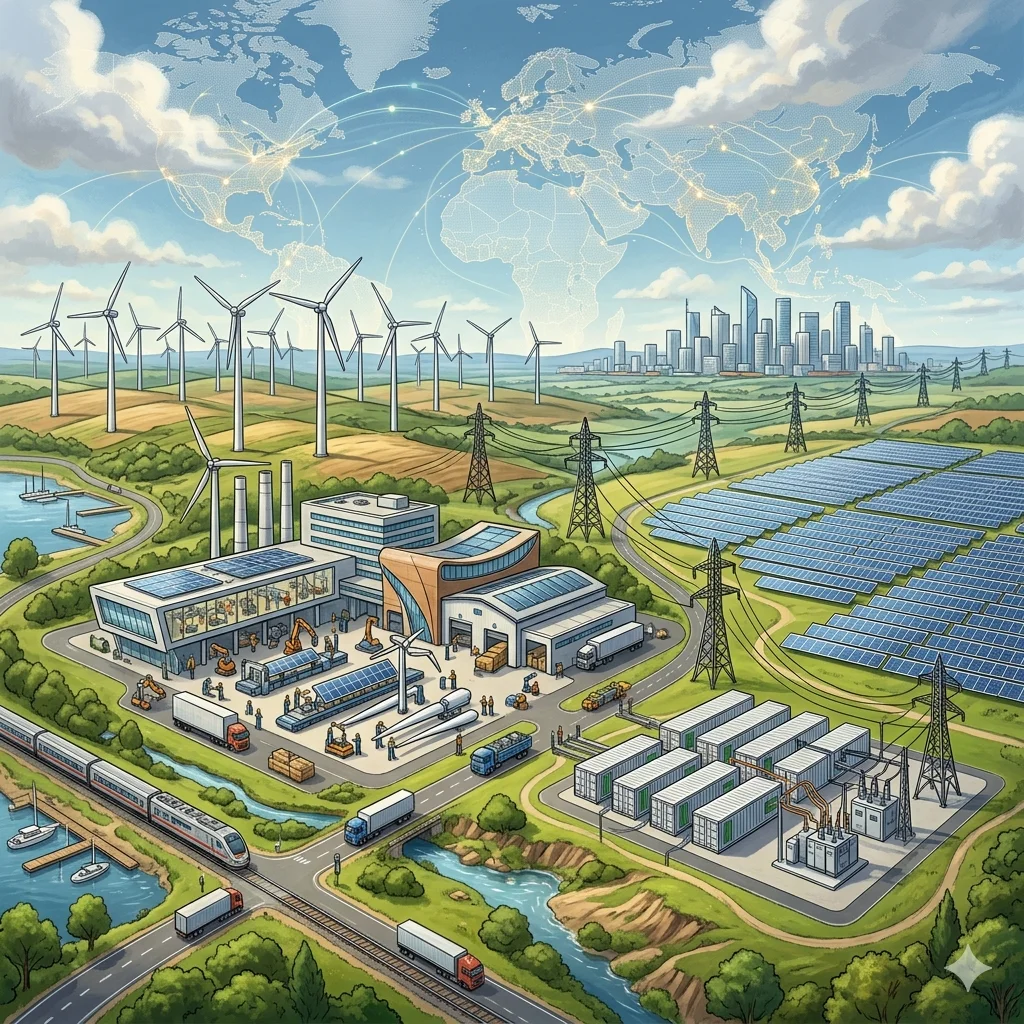

Renewable Energy Markets: The Hidden Supply Chain Logic Shaping the Next Growth Cycle
Power Energy

Renewable Energy Markets: The Hidden Supply Chain Logic Shaping the Next Growth Cycle

This article will frame renewable energy markets through the deeper economic and supply-chain logic behind pricing, deployment, and industrial scaling. Rather than focusing only on short-term policy headlines, it will examine how manufacturing bottlenecks, critical minerals, grid infrastructure, financing conditions, and technology learning curves determine market outcomes. The piece is best suited to a slow-analysis approach, since the most valuable insight comes from tracing durable industry patterns instead of reacting to temporary news flow. Verification will be embedded where claims about capacity, costs, and market shares are discussed, using credible industry and government sources to separate structural trends from cyclical noise.

Renewable Energy Market Forecast 2026-2035: The Trillion-Dollar Transition and Hidden Supply Chain Shifts
Power Energy

Renewable Energy Market Forecast 2026-2035: The Trillion-Dollar Transition and Hidden Supply Chain Shifts

The global renewable energy market is set to surge from USD 1.74 trillion in 2025 to USD 8.25 trillion by 2035, growing at a CAGR of 16.84%. While Asia Pacific dominates with 40.71% share, the fastest growth is occurring in solar and commercial segments. This article goes beyond headline numbers to uncover the underlying supply chain realignment—particularly the shift from hydropower to solar and the role of AI in optimizing asset performance. Major investors like BlackRock and Goldman Sachs, along with startups like Form Energy and Lhyfe, are reshaping the competitive landscape. We also examine how AI platforms such as Orennia's Ion_AI are becoming essential for trend analysis and risk management.

Renewable Energy Markets Conferences 2026: A Global Hub for Clean Energy Procurement
Power Energy

Renewable Energy Markets Conferences 2026: A Global Hub for Clean Energy Procurement

The Renewable Energy Markets (REM) conference series, organized by the Center for Resource Solutions (CRS), marks over 30 years of shaping the voluntary renewable energy certificate and corporate procurement landscape. With both REM 2026 in Washington, D.C. and REM Asia 2026 in Singapore scheduled, this deep analysis explores the conference's role as a barometer for market maturity, policy shifts, and the expansion of clean energy finance into Asia. We examine how the dual-track events signal the globalization of renewable energy markets, the critical function of CRS in maintaining market integrity through Green-e certification, and what attendees can anticipate as the industry accelerates toward net-zero targets.

Renewable Energy Market 2025-2035: Steady Growth, Regional Divides, and the Battle for Value Among Incumbents
Power Energy

Renewable Energy Market 2025-2035: Steady Growth, Regional Divides, and the Battle for Value Among Incumbents

The global renewable energy market is poised to grow from USD 1,318.13 billion in 2025 to USD 2,880.72 billion by 2035, at a CAGR of 8.13%. While the headline numbers suggest a robust trajectory, the true story lies beneath: regional disparities between policy-driven North America and demand-driven Asia-Pacific, the consolidation of market power among established players like NextEra Energy and Iberdrola, and the looming supply chain bottlenecks. This article provides a deep audit of the market dynamics, exploring how technological advancements, infrastructure investment, and government incentives are shaping a landscape where incumbents may strengthen their grip. We dissect the forecast data from Market Research Future and examine the strategic implications for new entrants, investors, and policymakers. The renewable energy transition is not just about growth; it''s about who captures the value.

Beyond Subsidies: The Hidden Profitability Shift in Global Renewable Energy Markets
Power Energy

Beyond Subsidies: The Hidden Profitability Shift in Global Renewable Energy Markets

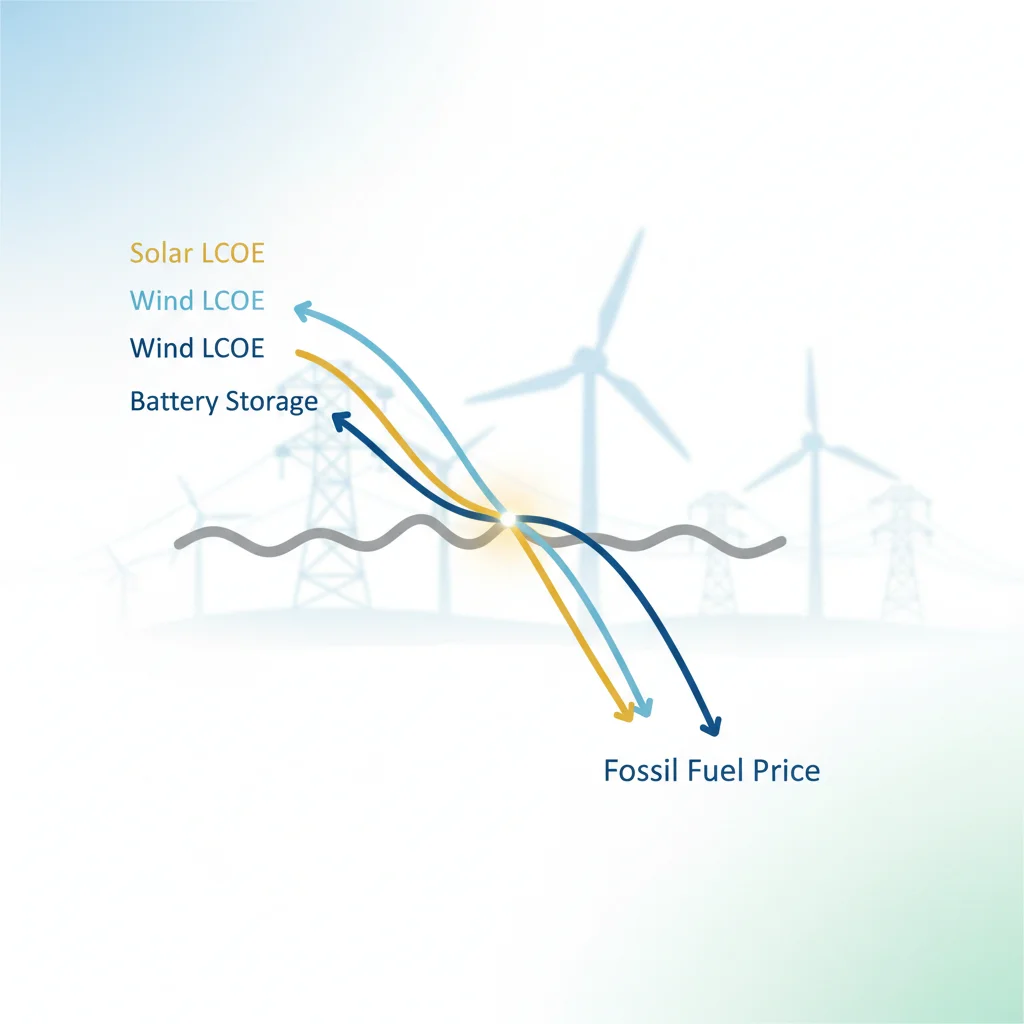
Renewable energy markets have entered a new phase where falling technology costs and maturing project finance are reshaping the economic logic of the entire energy sector. This article explores the underlying shift from policy-driven growth to market-driven profitability, the rebalancing of supply chains away from commodity volatility, and the emerging investment strategies that anticipate grid integration challenges. By analyzing the hidden leverage points in capital allocation, capacity factors, and long-term power purchase agreements, we reveal why the next decade will belong to developers who can manage risk rather than chase subsidies.

Renewable Energy Markets 2026-2027: What the Conference Calendar Tells Us About the Evolution of Global Renewable Energy Trading
Power Energy

Renewable Energy Markets 2026-2027: What the Conference Calendar Tells Us About the Evolution of Global Renewable Energy Trading

The Renewable Energy Markets (REM) conferences, organized by the Center for Resource Solutions for over 30 years, are expanding their global footprint with events in Washington, D.C., and Singapore. This article explores how the conference schedule—including REM 2026, REM Asia 2026, and the newly announced REM Asia 2027—signals deeper shifts in renewable energy certificate markets, the rise of Asia as a trading hub, and the enduring role of voluntary markets. We examine the economic logic behind the geographic spread and what it means for corporate buyers, policymakers, and standard-setters like CRS.

Renewable Energy Market to Hit $1.71 Trillion by 2025, Growing at 14.6% CAGR: A Deep Dive into Segment Dynamics and Supply Chain Realities
Power Energy

Renewable Energy Market to Hit $1.71 Trillion by 2025, Growing at 14.6% CAGR: A Deep Dive into Segment Dynamics and Supply Chain Realities

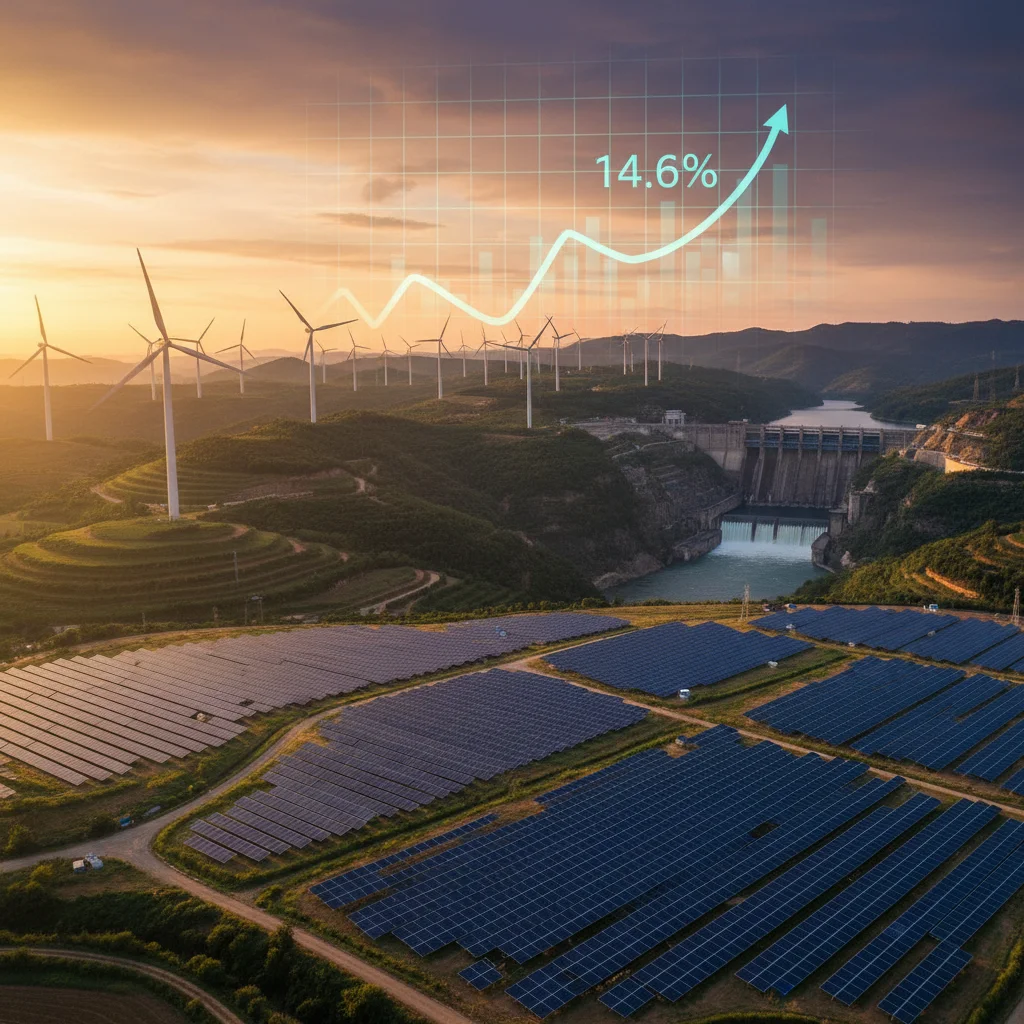
The global renewable energy market is poised for explosive growth, with a projected value of USD 1,711.51 billion in 2025 and a compound annual growth rate (CAGR) of 14.6% from 2026 to 2034, according to a new report by Polaris Market Research. This analysis goes beyond headline numbers to examine the underlying economic logic, segment-level divergence, and hidden supply chain pressures. While solar and wind drive the bulk of new capacity, hydropower remains a massive but slow-growing base. The report, covering historical data from 2021–2024 and forward forecasts through 2034, signals a critical need for grid modernization, energy storage, and strategic investments in critical minerals. Stakeholders must navigate these structural shifts to capture the full potential of the energy transition.

The Great Rebalancing: How Political Headwinds and Technology Tailwinds Reshaped Global Renewable Energy Investment in 1H 2025
Power Energy

The Great Rebalancing: How Political Headwinds and Technology Tailwinds Reshaped Global Renewable Energy Investment in 1H 2025

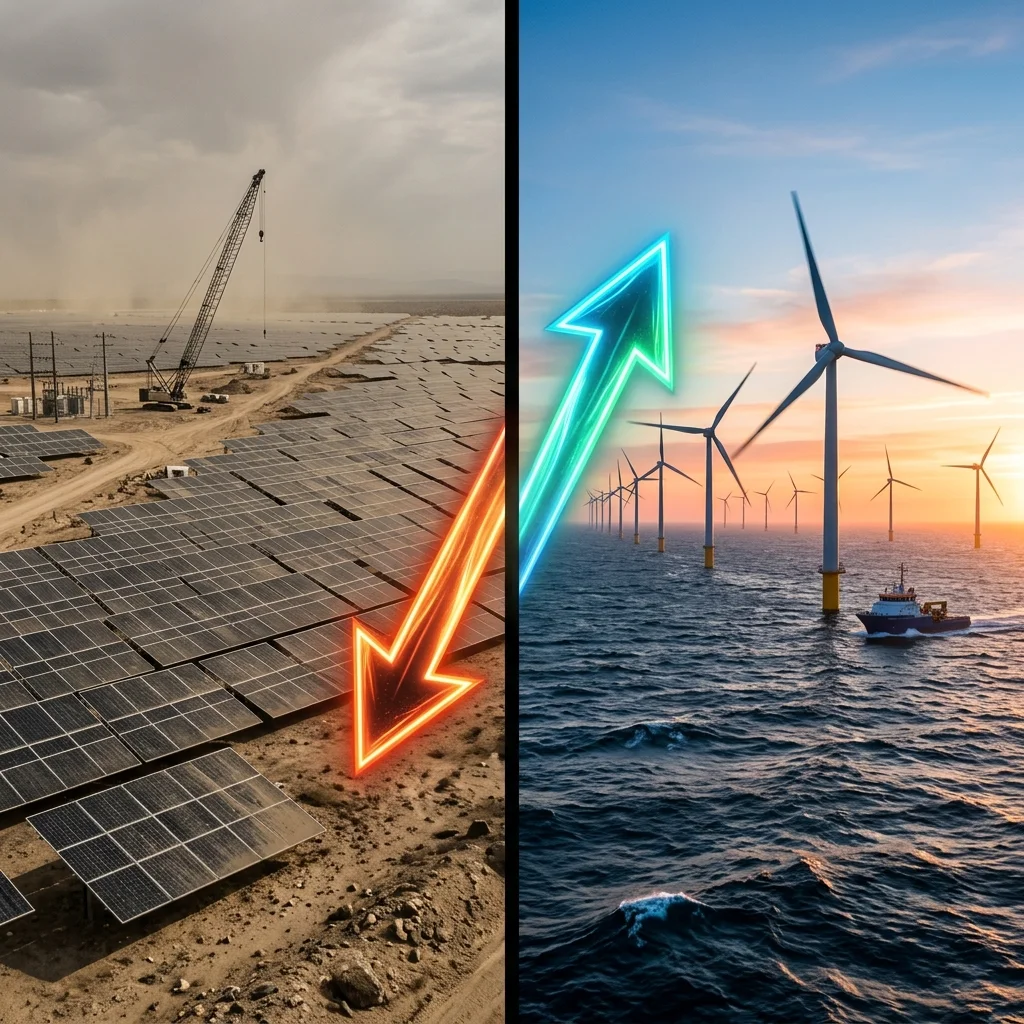
Global renewable energy investment hit a record $386 billion in the first half of 2025, up 10% year-on-year, according to BloombergNEF. But beneath the headline growth, a dramatic geographic, technological, and structural rebalancing is underway—one that challenges the conventional story of unstoppable solar dominance. While the US saw a stunning 36% crash in investment (partly due to policy uncertainty) and utility-scale solar asset finance fell 13%, offshore wind exploded, exceeding its entire 2024 total in just six months. Meanwhile, the EU-27 surged 63% as supportive revenue mechanisms took hold, and China’s small-scale solar nearly doubled. This article digs into the market logic behind these shifts, asking: is the world moving from a one-size-fits-all renewables model toward a multi-speed, risk-adjusted portfolio approach?

Global Renewable Energy Market: Unveiling the Hidden Dynamics Beyond Generation Forecasts
Power Energy

Global Renewable Energy Market: Unveiling the Hidden Dynamics Beyond Generation Forecasts

The global renewable energy market is projected to reach trillions of kilowatt-hours by a future year, with a steady compound annual growth rate. While headline forecasts capture attention, the real story lies in the market's structural composition—six distinct energy sources, each with unique technology maturity and supply-chain dependencies. This article performs a deep industry audit, moving beyond generation numbers to examine the economic logic linking in-scope technologies (solar PV, wind, hydropower, bioenergy, geothermal, marine) and the deliberate exclusion of adjacent innovations (BIPV, non-electric wind, biochemicals). We reveal how conversion from local currencies and regional dominance (Japan, Brazil, South Korea, Austria, China) shape underlying investment patterns, and why overlooked gaps—like marine biomass or airborne wind—signal future disruption points for the value chain.

Decoding the 2026 Renewable Energy Markets™ Conference: Strategic Timing, Speaker Selection, and What the Early Deadlines Reveal About Industry Momentum
Power Energy

Decoding the 2026 Renewable Energy Markets™ Conference: Strategic Timing, Speaker Selection, and What the Early Deadlines Reveal About Industry Momentum

The 2026 Renewable Energy Markets™ Conference isn’t just an event—it’s a strategic signal. With speaker applications closing a full 18 months before the conference and registration opening only three months prior, the timeline reveals a disciplined, high-stakes orchestration typical of mature industries. This article dives into the hidden economic logic behind early deadlines, the role of sponsorship and nomination timelines in shaping market narratives, and what the quotes from past attendees tell us about the evolving demand for intimacy and depth in renewable energy networking. For professionals, the conference isn’t just a place to gather; it’s a clock ticking with competitive advantage.

The Two-Tiered Logic of U.S. Renewable Electricity Markets: How Mandatory and Voluntary REC Markets Create a Floor Without a Ceiling
Power Energy

The Two-Tiered Logic of U.S. Renewable Electricity Markets: How Mandatory and Voluntary REC Markets Create a Floor Without a Ceiling

This article dissects the dual-structure of the U.S. renewable electricity market, revealing how mandatory compliance markets (driven by state Renewable Portfolio Standards) create a regulatory floor, while voluntary consumer markets act as an unbounded ceiling. It explains the critical concept of 'regulatory surplus' to prevent double counting, analyzes the pricing mechanics of Renewable Energy Certificates (RECs) in each tier, and examines recent price trends from NREL data. The analysis moves beyond surface-level descriptions to explore underlying economic incentives, supply constraints in compliance markets, and the long-term implications for renewable energy investment and grid decarbonization.

Renewable Energy Market 2025–2033: Asia Pacific Dominance, Solar Surge, and the Hidden Supply Chain Shifts
Power Energy

Renewable Energy Market 2025–2033: Asia Pacific Dominance, Solar Surge, and the Hidden Supply Chain Shifts

The global renewable energy market is projected to nearly triple from USD 1,602 billion in 2025 to USD 4,860.85 billion by 2033, growing at a CAGR of 14.7%. Asia Pacific holds a commanding 41.51% revenue share, while solar energy leads among sources with 31.61%. This article goes beyond headline figures to uncover the hidden economic logic: the concentration of manufacturing capacity in Asia is reshaping global supply chains, creating both cost advantages and geopolitical vulnerabilities. We analyze how industrial end-use demand is driving deployment, and what the long-term battery storage and grid integration trends mean for investors and policymakers.